
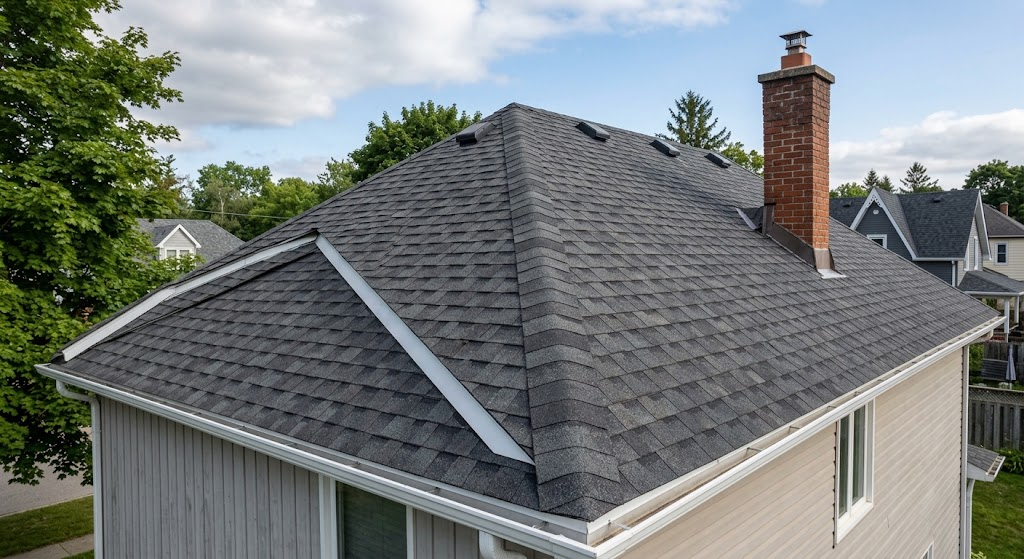
Choosing the right roof pitch is vital for homeowners and builders to ensure the long-term performance and durability of asphalt shingles. This aspect not only affects water drainage but also influences wind resistance and overall aesthetics. Understanding how roof pitch impacts shingle selection empowers individuals to make informed decisions, safeguarding their investments.
Understanding Roof Pitch and Asphalt Shingle Selection
The concept of roof pitch refers to the slope of the roof, typically expressed as a ratio of rise over run. For asphalt shingles, this measurement is essential in determining the suitability of various shingle types, affecting both performance and warranty compliance. The minimum pitch required for asphalt shingles is generally set at 4:12 (rise of four inches for every twelve inches of run), though specific low pitches can still be accommodated under certain conditions.
Identify the Minimum Pitch for Asphalt Shingles
In the world of roofing, knowing the minimum roof pitch is crucial. For asphalt shingles, a pitch lower than 4:12 can often lead to performance issues. However, products specifically designed for lower pitches, such as certain architectural or heavy-duty shingles, may tolerate pitches as low as 3:12, provided they are installed correctly with enhanced underlayment.
Assessing Underlayment Requirements
For pitches between 2:12 and 4:12, regulations require upgraded underlayment. This can either be a double layer of felt or a self-adhering membrane, which acts as an additional layer of defense against leaks. It is essential to follow these guidelines closely, as skipping or opting for inadequate underlayment is one of the leading causes of chronic roof leaks.
Explore Alternatives for Low Pitches
When dealing with low-pitch roofs below 2:12, it is recommended to avoid asphalt shingles entirely. Instead, options like TPO, PVC, or modified bitumen membranes should be considered. These materials provide enhanced waterproofing capabilities, as traditional shingles do not perform adequately at such angles due to water pooling and the potential for seepage.
Understanding the Physics of Roof Pitch
The fundamental nature of shingles as a water-shedding system means they rely heavily on gravity to direct water down and off the surface. A less pronounced slope leads to lingering water, which can exacerbate the risk of leaks, particularly in climates prone to heavy rain and wind. For example, in regions like the Pacific Northwest, where rainfall is frequent, maintaining a steeper pitch is often recommended to facilitate effective drainage.
Wind Resistance and Debris Management
Steeper roof pitches naturally excel in shedding water and resisting wind-driven rain, thus ensuring that debris is less likely to accumulate. When designing a roofing system, it’s essential to consider that wind-driven rain can create significant challenges for low-pitch roofs, pushing water upwards and under shingles. A steeper incline minimizes this risk, making it a prudent choice for homeowners in storm-prone areas.
Emphasizing Quality Installation Practices
Even with the right pitch and underlayment, the success of an asphalt shingle installation relies heavily on premium workmanship. Enhanced waterproofing measures, such as self-sealing seals and meticulous flashing at roof penetrations, are crucial for ensuring a leak-free system. Moreover, adequate ventilation must be maintained to combat condensation and ice dam formation, particularly in cold climates.
Consider Climate and Local Codes
Local building codes and climate conditions can significantly impact roofing decisions. Many jurisdictions mandate a minimum pitch for specific materials, and manufacturers often set stringent requirements for installable pitches. Understanding these parameters can save time and resources while ensuring compliance with regulations, thus avoiding mishaps related to improper installations.
Evaluating the Cost of Low-Pitch Alternatives
Considering a low-pitch roof may lead to higher upfront costs due to specialized materials and installation requirements. However, long-term benefits often outweigh initial expenses. When assessing roof options, consider the total cost of ownership, which includes maintenance, durability, and warranty coverage. Consequently, investing in a quality solution can save homeowners money in the long run.
Next Steps for Homeowners
For homeowners considering an asphalt shingle roofing project, it’s imperative to accurately measure your roof’s pitch and consult a qualified roofing professional. They’ll help ensure appropriate materials are selected based on pitch, local codes, and climate considerations. By making well-informed decisions, you’ll not only stack the odds in your favor for a long-lasting roof but also protect your investment effectively.