
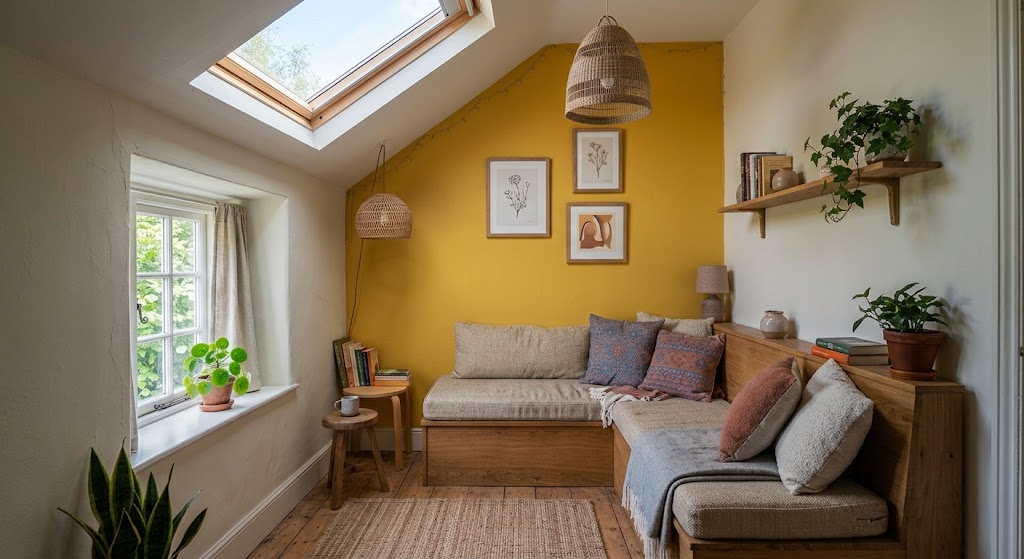
Transforming dark and small rooms into inviting spaces can be a rewarding challenge. By utilizing clever painting techniques and color choices, you can enhance the light and perceived space in these areas. This article explores various approaches to interior painting that can make a significant difference in how a room feels and functions.
Choosing the Right Colors
The color palette you select plays a pivotal role in how light reflects in a room. In darker spaces, painting choices that enhance brightness can open up the environment. Here are some key considerations when choosing colors:
Light and Neutral Shades
Opting for light or neutral colors can instantly brighten a space. These hues reflect light rather than absorb it, creating a more spacious atmosphere.
- Soft whites: They provide a fresh and clean appearance, making rooms feel airy.
- Pale grays: This color adds sophistication while maintaining a light feel.
- Warm beiges: These shades can add warmth to smaller spaces without feeling oppressive.
Accent Walls for Depth
Using an accent wall can introduce depth and interest to a room without overwhelming it. This technique can be especially effective in darker rooms.
- Bold colors: Deep blues or rich greens can draw the eye and provide a stunning contrast to lighter walls.
- Textured finishes: Consider using a textured paint or wallpaper on the accent wall to add character.
- Strategic placement: Position your accent wall opposite a window to enhance natural light reflection.
Utilizing Light Reflective Techniques
In addition to color choice, certain painting techniques can maximize light in a room. Here are some methods to consider:
High-Gloss Finishes
The finish of your paint can significantly influence how light interacts with the walls. High-gloss paints can reflect more light than matte finishes.
- Durability: Glossy finishes are easier to clean and more resistant to wear and tear.
- Illumination: They enhance the brightness of a room, making it feel larger and more open.
- Accentuate features: Use high-gloss paint to highlight architectural details such as moldings or trim.
Strategic Use of Patterns
Incorporating patterns can create an illusion of space and movement. Consider the following options:
- Vertical stripes: These can make ceilings appear higher and walls feel taller.
- Geometric designs: A well-placed geometric pattern can add visual interest while drawing attention away from the room’s size.
- Subtle textures: Employing a textured paint technique can create depth without overshadowing the overall design.
Lighting Considerations in Painting
The interplay of light and color can transform a room’s ambiance. When planning your paint job, consider how lighting affects your choices:
Natural Light Enhancement
Understanding the sources of natural light in your space can inform your color choices and techniques. Pay attention to the following:
- Window placement: Rooms with windows that receive direct sunlight can handle deeper colors better than those that don’t.
- Time of day: Observe how light changes throughout the day to choose colors that complement these shifts.
- Reflective surfaces: Consider incorporating mirrors or shiny decor to amplify natural light.
Artificial Lighting Effects
Artificial lighting can drastically change how paint colors appear. Adjust your plans accordingly:
- Color temperature: Choose paint colors that harmonize with your light bulbs—warm bulbs pair well with warm tones, while cool bulbs complement cooler shades.
- Layered lighting: Use multiple light sources to create a balanced and inviting atmosphere in small spaces.
- Accent lighting: Highlight specific areas or features with spotlights to draw attention and create focal points.
Final Touches for a Cohesive Look
Once the painting is complete, consider how to maintain a cohesive look in your dark and small room. Here are some finishing touches:
Complementary Decor
Choosing decor that enhances your new paint job can tie the room together seamlessly.
- Textiles: Use lighter fabrics for curtains and upholstery to maintain brightness.
- Artwork: Select pieces that pull in the colors from your walls, creating a cohesive aesthetic.
- Furniture: Opt for pieces that are appropriately scaled to maintain an open feel without overcrowding.
Professional Touch
Sometimes, achieving the desired effect in challenging spaces requires expertise. Consider hiring a professional to bring your vision to life.
In conclusion, transforming dark and small rooms through thoughtful painting choices can make them feel more inviting and spacious. By selecting the right colors, utilizing reflective techniques, and considering lighting, you can create an environment that not only looks beautiful but also feels comfortable. If you’re unsure about your painting project, don’t hesitate to consult with a professional for expert advice and assistance.