
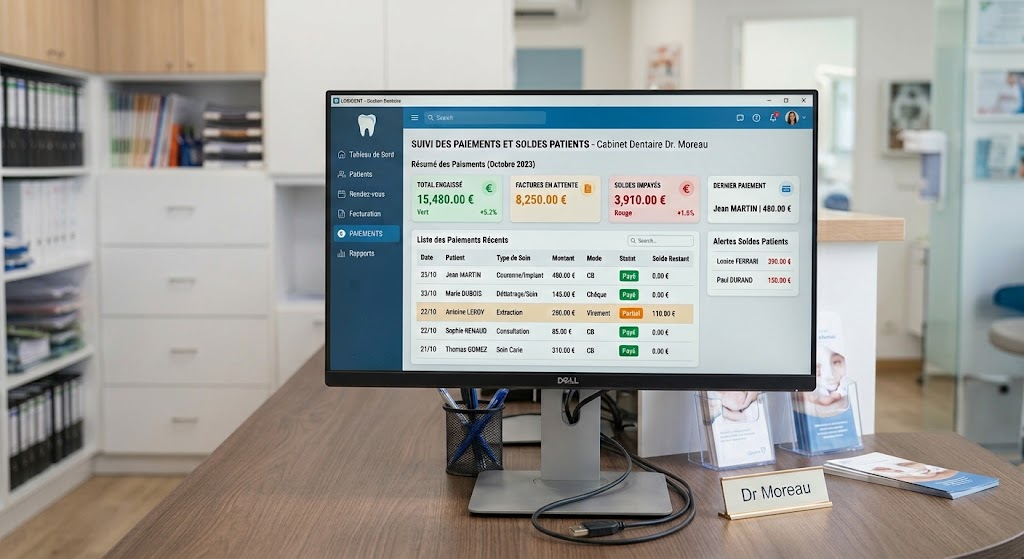
Managing finances in dental practices is more than just ensuring timely treatment; it’s about maintaining a steady cash flow by effectively tracking payments and outstanding balances. With a significant percentage of adults facing healthcare debt due to dental expenses, understanding how to navigate this landscape is critical. In this conversation, we will explore best practices for monitoring payments, effectively handling overdue accounts, and ensuring that patient relationships remain intact while securing financial stability.
Recognizing the Importance of Payment Tracking in Dental Practices
The landscape of dental care is increasingly intertwined with financial management. Payment tracking acts as a cornerstone for a practice’s operational efficiency. Efficiently monitoring outstanding balances allows practices to foresee potential cash flow issues and reinforces financial stability, enabling them to cover operational costs such as staff salaries and equipment maintenance.
Understanding the Impact of Outstanding Balances
Outstanding balances arise from various factors, including delayed insurance claim processing, leading to uncertainty in a patient’s financial responsibilities. Over time, this uncertainty can lead to larger-than-expected bills for patients, which creates friction in the patient-practice relationship. Reports from recent studies indicate that dental care has been a source of healthcare debt for approximately 36% of adults, highlighting the urgency of managing these debts effectively.
Creating an Effective Follow-Up System
A systematic approach to following up on unpaid balances ensures that practices can minimize overdue accounts. Timely and sensitive communication allows for effective management of accounts receivable, reducing the risk of non-payment.
Establishing a Timeline for Follow-Ups
To maintain a healthy cash flow, practices should implement a structured timeline that begins as soon as a patient’s financial responsibility becomes clear. Here is a sample timeline:
- Immediately post-insurance payment: Send the first statement right after receiving the Explanation of Benefits from the insurance company. This clarity increases the likelihood of payment.
- 7-14 days post-claim submission: Communicate a courtesy reminder, outlining the expected insurance portion and the patient’s responsibility.
- 30 days: If the balance remains unpaid, send a friendly reminder focusing on assisting the patient rather than pressuring for payment.
- 60 days: Follow up with a firmer reminder while still offering flexible payment options.
- 90 days: Send a final notice, highlighting the urgency and potential consequences of continued non-payment.
- Beyond 90 days: Consider involving a collections agency if accounts remain unpaid.
Best Practices for Monitoring Payments and Outstanding Balances
Effective management of accounts receivable is essential for the overall health of a dental practice. Maintaining a clear strategy not only helps in recovery but also fosters trust and loyalty among patients.
Implementing Efficient Systems for Tracking Payments
To elevate the efficiency of payment tracking, consider the following best practices:
- Daily Claims Submission: Submit insurance claims within 24-48 hours to kickstart the reimbursement process and avoid delays.
- Weekly Aging Report Reviews: Focus on following up claims that exceed 30 days, ensuring timely recovery.
- Appeal or Resubmit Claims: If a claim is denied, rectify and resubmit without delay to prevent revenue loss.
- Provide Cost Estimates: Ensuring that patients are aware of their financial responsibilities upfront can minimize disputes later on.
- Utilize Management Software: Automate reminders and communications to reduce manual effort and streamline processes.
Enhancing Patient Relationships While Managing Finances
It’s essential for dental practices to balance financial management with maintaining a positive patient experience. Patients appreciate clear communication and convenience, leading to better outcomes for both parties.
Offering Flexible Payment Options
Patients are more likely to respond positively to practices that offer multiple payment solutions. Flexibility can ease the burden of outstanding balances and encourage timely payments. Practices should consider:
- Payment Plans: Allowing patients to spread out their payments can significantly reduce the stress of immediate financial burdens.
- Same-Day Payments: Encouraging patients to pay their co-pays and portions not covered by insurance on the same day can lead to lower outstanding balances.
- Patient-Friendly Billing: Utilize clear and straightforward language in all communications to prevent confusion regarding financial responsibilities.
Utilizing Professional Support for Billing Management
For practices struggling to manage outstanding balances effectively, outsourcing dental billing services can provide significant relief. These services streamline the billing process, from claim submissions to follow-ups, thus improving the revenue cycle.
The complexity of dental billing and payment tracking should not overwhelm a practice’s ability to provide care. By implementing structured strategies, embracing technology, and fostering open communication, dental offices can safeguard their financial health and enhance patient satisfaction. Dental billing experts can also help practices establish effective processes for tracking payments and outstanding balances.