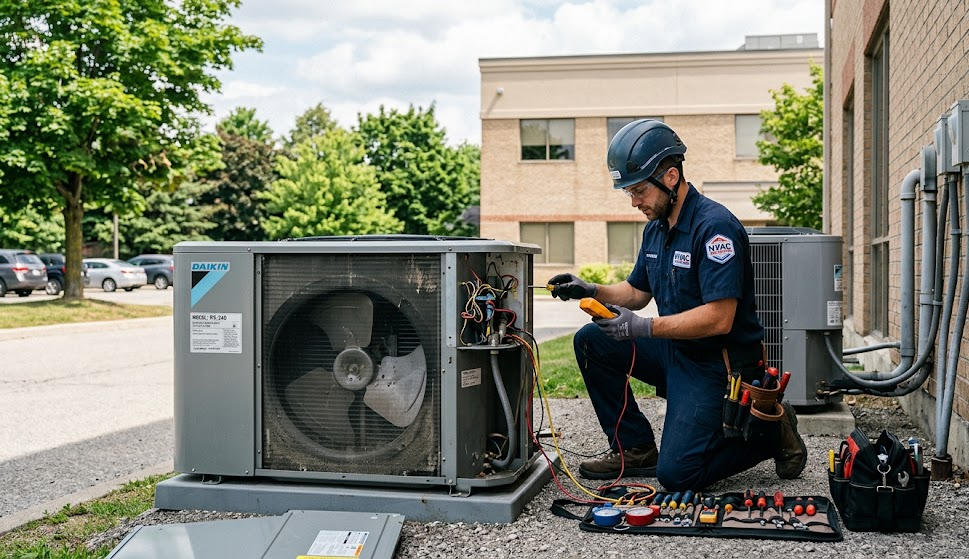
In 2026, maintaining efficient cooling systems has never been more important, particularly as temperatures rise each summer. Regular maintenance not only prolongs the lifespan of these systems but also significantly reduces energy costs. Discover how implementing simple, proactive care can enhance the performance of your air conditioning unit.
Understand the Importance of Regular Maintenance for Cooling Systems
Efficiency in cooling systems directly correlates with routine upkeep. Without consistent care, performance wanes and energy consumption skyrockets, leading to unexpected breakdowns. Regular maintenance can prevent these pitfalls and ensure systems run optimally. It’s vital to keep the unit in peak condition to guard against the financial strain of repairs and energy waste.
Recognizing the Dangers of Neglected Cooling Systems
When left unattended, air conditioning systems accumulate dust and debris, affecting airflow and efficiency. Though a unit may still operate, it will strain to maintain comfortable indoor temperatures. Over time, this gradually increases energy bills and risks potential system failures.
Implement Key Maintenance Tasks for Optimal System Performance
Effective maintenance involves a strategy of both regular cleaning and in-depth inspections. While some tasks are simple and can be managed by homeowners, others necessitate professional expertise. Key tasks include:
- Filter Cleaning: Regularly cleaning or replacing filters to promote airflow and improve indoor air quality.
- Inspection of Coils: Checking condenser and evaporator coils for efficient heat exchange.
- Drainage Line Check: Ensuring drainage lines remain clear to prevent moisture buildup.
- Airflow Examination: Confirming unobstructed airflow around indoor and outdoor units.
- Refrigerant Monitoring: Keeping an eye on refrigerant levels for optimal cooling performance.
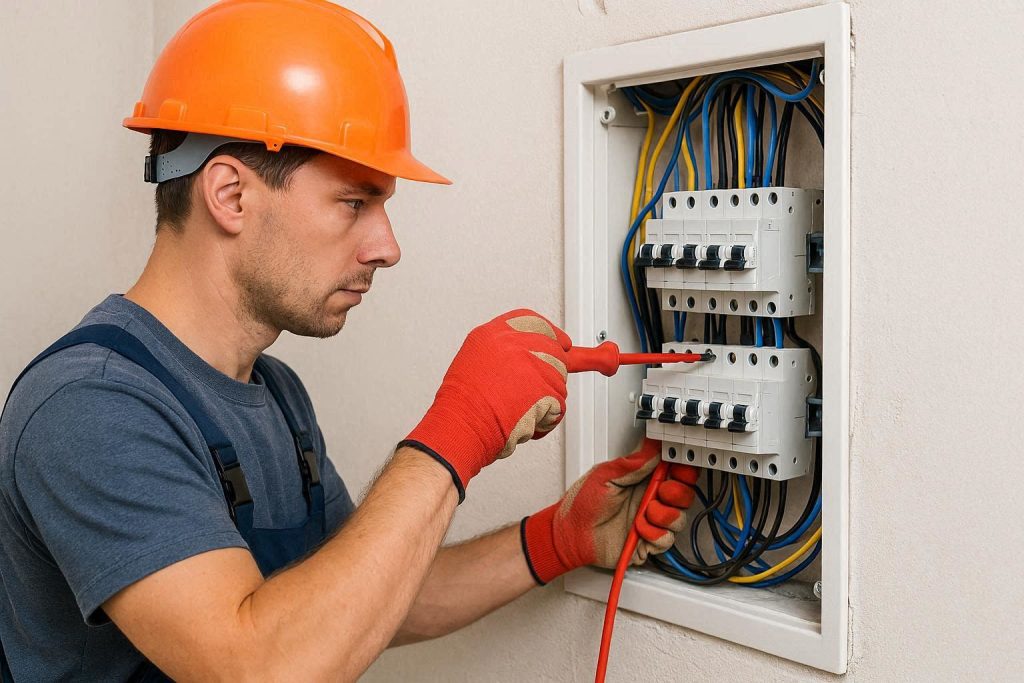
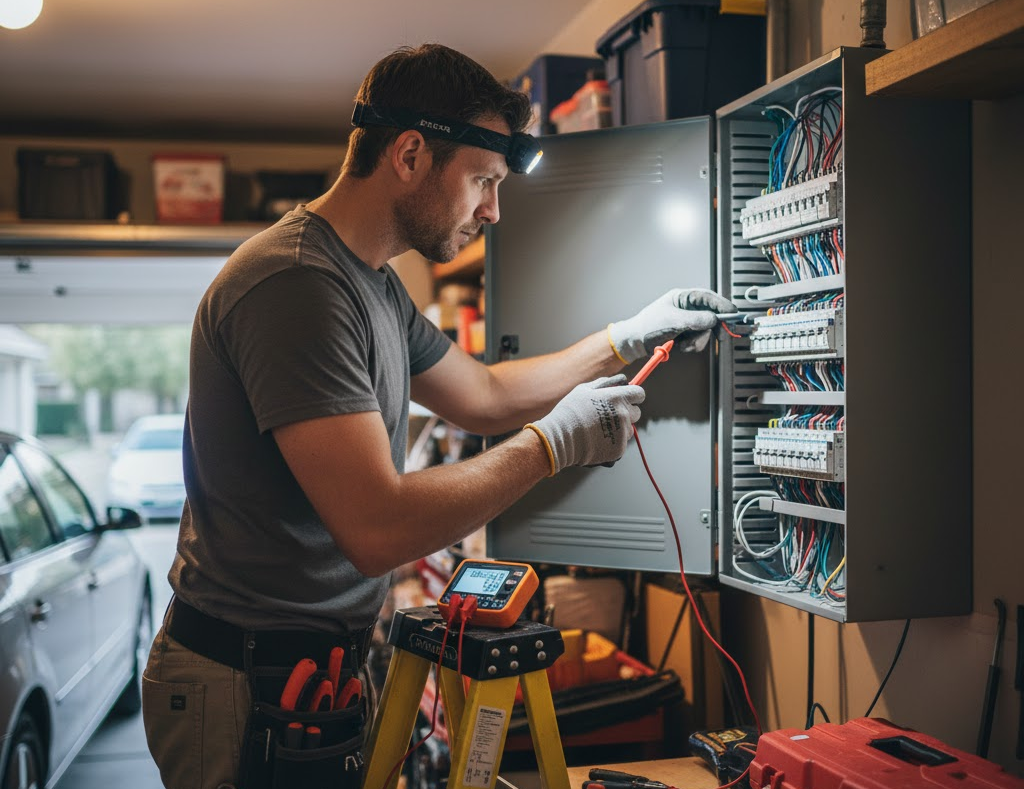
- Electrical Connections Inspection: Reviewing electrical connections for safety.
Completing these tasks ensures that systems operate smoothly while significantly reducing the risk of unplanned repairs.
Conduct Seasonal Maintenance to Enhance Efficiency
Before summer’s peak demand, a thorough seasonal approach can prepare cooling systems. Engaging in tasks that enhance readiness includes:
- Pre-Testing Performance: Checking cooling capabilities before high-demand months.
- Debris Removal: Clearing outdoor units of dust and obstructions.
- Thermostat Verification: Ensuring the thermostat is accurate for controlled temperature.
- Motor and Fan Checks: Listening for unusual noises from fans and motors.
- Airflow Consistency: Verifying even airflow across all vents.
By tackling these actions ahead of peak usage, homeowners can enjoy uninterrupted cooling during the hottest weeks.
Spotting Early Signs of Trouble in Air Conditioning Units
Despite regular care, air conditioners may exhibit signs that indicate the need for attention. Detecting these early can prevent larger issues. Common warning signs include:
- Weak Cooling: Observing uneven cooling in different areas of the space.
- Noisy Operation: Listening for strange sounds like rattling or buzzing.
- Rising Energy Bills: Noticing an increase in utility costs without a corresponding rise in usage.
- Unpleasant Odors: Identifying foul or musty smells emanating from vents.
- Leakage Issues: Noting water pooling around indoor units.
Addressing these signals immediately can mitigate excessive damages and enhance system performance.
Discover the Long-Term Benefits of Preventive Care
Investing in preventive maintenance fosters long-lasting performance and energy savings for your cooling systems. Regular upkeep ensures optimal operation without unexpected failures, particularly during peak demand. The key benefits include:
- Enhanced Efficiency: A well-maintained system uses less energy for cooling, resulting in lower bills.
- Improved Air Quality: Routine filtration and maintenance decrease allergens and dust in circulation.
- Lower Repair Risks: Scheduled checks significantly reduce the likelihood of costly emergency repairs.
- Prolonged System Lifespan: Regular maintenance contributes to a longer-lasting air conditioning unit.
The dual advantages of energy savings and improved reliability greatly outweigh the minimal investment in routine care.
Conclusion
Maintaining cooling systems is essential for comfort and operational efficiency. Regular maintenance practices not only promote the longevity of your air conditioning unit but also yield notable energy savings. To maximize benefits, consider professional servicing for complex tasks and remain vigilant about recognizing signs that indicate your system requires attention. Investing in preventive care pays off in the long run.