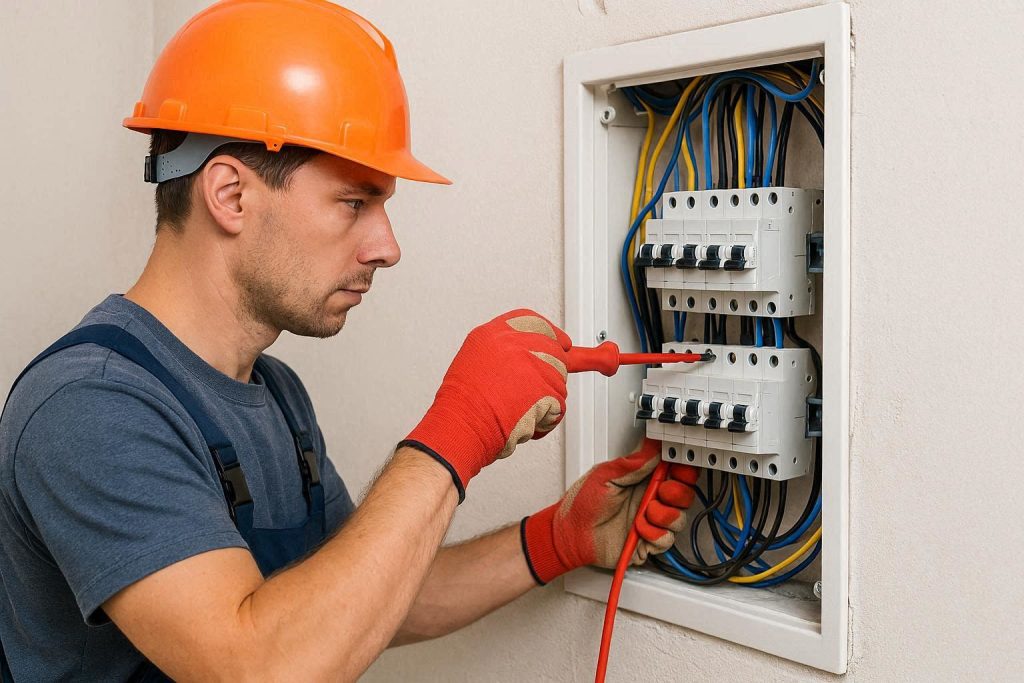
Upgrading your home’s electrical system is an essential step towards ensuring safety and meeting modern energy demands. As technology continues to evolve, so do our electrical needs, making it crucial to stay informed about what an electrical panel upgrade entails. In this article, we’ll guide you through the upgrade process and what to expect along the way.
Why Upgrade Your Electrical System?
Upgrading your electrical system is more than just enhancing its capacity or replacing outdated components. It involves ensuring compliance with modern safety regulations and meeting the increasing demand for electricity in today’s technology-driven world. Here are some pressing reasons to consider:
Safety Compliance
The primary motivation for an upgrade is safety. Older electrical panels may not comply with today’s electrical codes, presenting potential fire hazards due to overloaded circuits. By upgrading, you safeguard your home and family against electrical fires and other associated risks.
Meeting Increased Power Demands
Today’s households utilize a multitude of devices, from smart gadgets to electric vehicles, all demanding substantial power. An upgraded system ensures these modern devices operate seamlessly, without straining your existing electrical setup.
Boosting Property Value
An updated electrical system not only enhances safety but also increases your home’s market value. Potential buyers will appreciate a modern electrical infrastructure, making your property more appealing.
Understanding the Upgrade Process
Now that you recognize the need for an upgrade, let’s explore the actual process. It’s vital to know what to expect when hiring a professional electrician for this crucial task.
Assessment and Inspection
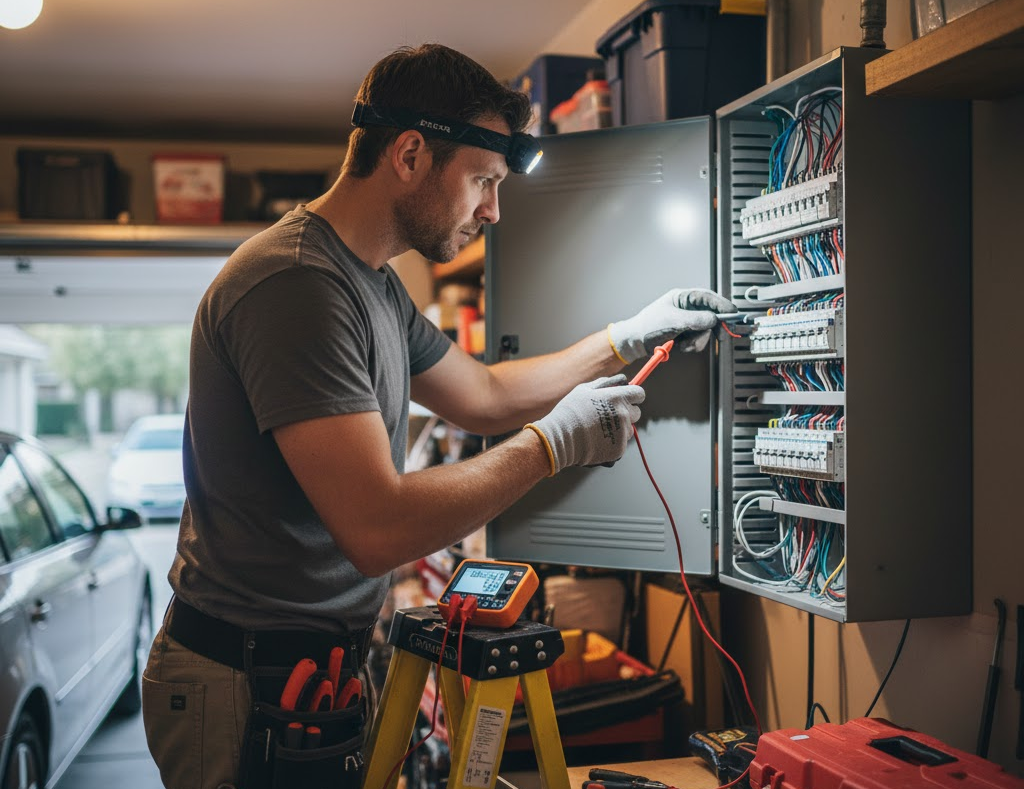
The journey begins with a thorough inspection of your current electrical system. A licensed electrician will evaluate your existing setup to determine the scope of the upgrade required. This step is essential for understanding what changes will be necessary to meet both current and future electrical demands.
Choosing the Right Panel
Next, you’ll need to select an appropriate panel for your home. There are various types available, including main breaker panels, which control power supply across the whole house, and sub-panels, designed for specific areas. Consult your electrician to decide which option best suits your household’s needs.
The Professional Touch
Upgrading your electrical panel should never be a DIY project. Hiring a licensed electrician ensures that all upgrades comply with local codes and safety standards. Their expertise provides peace of mind, ensuring the job is done correctly and safely.
Signs You Need an Upgrade
Sometimes, homeowners might not realize their electrical system is in need of an upgrade until problems arise. Here are some indicators that you may need to consider an upgrade:
Frequent Circuit Breaker Trips
Constantly resetting circuit breakers is a telling sign that your current panel is unable to handle your household’s electrical load.
Dim or Flickering Lights
If your lights flicker when using appliances, it’s a red flag indicating your electrical panel struggles with power distribution.
Relying on Power Strips
This reliance signifies insufficient outlets and circuits, which a new panel can address, mitigating fire risks.
Planning for the Upgrade
Preparation is key to a smooth electrical panel upgrade. Here are a few steps to take:
Clear the Workspace
To facilitate quick and easy access, clear around your existing electrical panel. This ensures your electrician can work efficiently without any interruptions.
Understand Potential Downtime
Expect some power outages during the process. It’s wise to charge your devices beforehand and have backup lighting ready to minimize inconveniences.
The Benefits of a New Electrical Panel
In addition to safety and increased property value, a new electrical panel offers numerous advantages:
Enhanced Functionality
Modern panels can distribute power more effectively throughout your home, reducing the risk of overloading circuits and improving the overall performance of your appliances.
Lower Insurance Premiums
Upgrading can lead to a decrease in insurance rates, as a modern electrical system typically means fewer risks for insurers to account for.
Upgrading your electrical system is an invaluable investment in your home’s safety and efficiency. By being informed about the process, recognizing the signs necessitating a change, and hiring a professional electrician, you can ensure that your household electrical demands are met both now and in the future.