
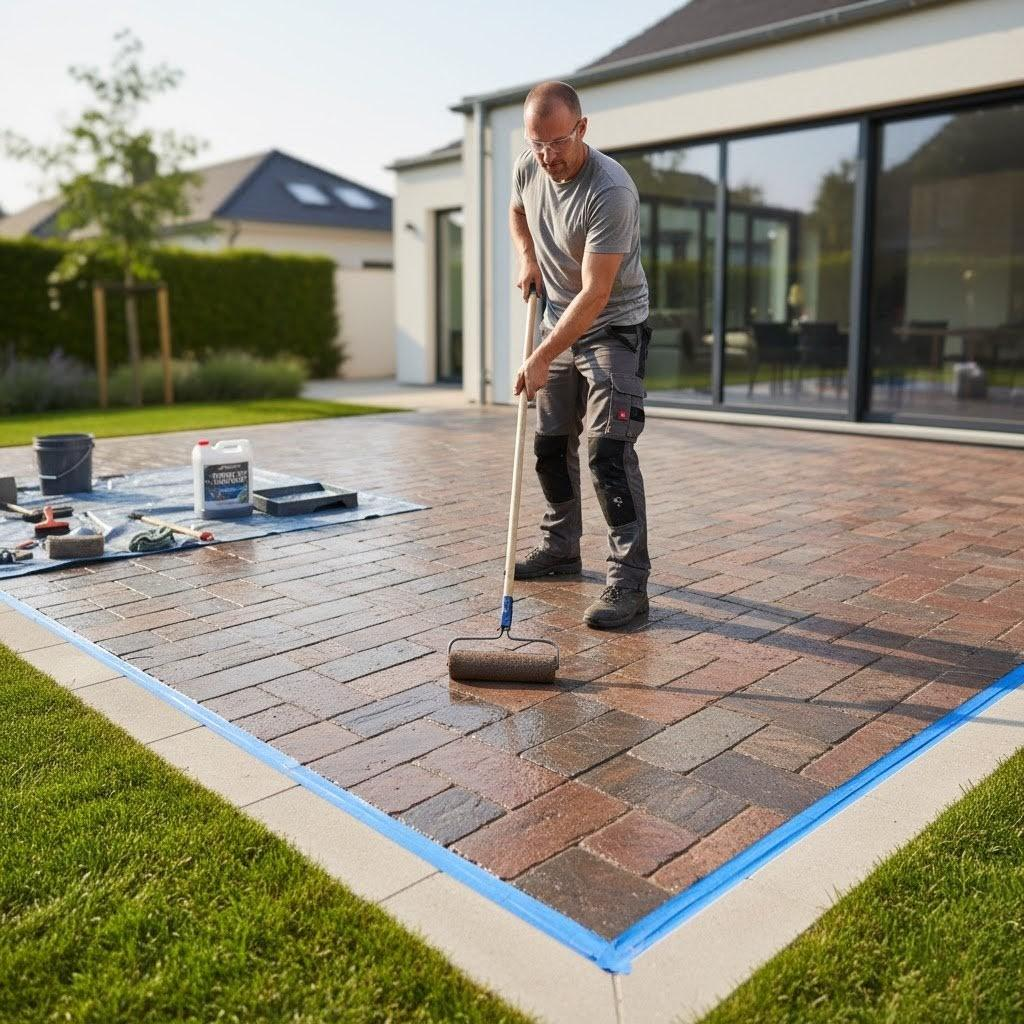
Sealing your pavers is a vital step in ensuring their beauty and durability, but it’s easy to make mistakes along the way. From skipping essential preparations to over-applying products, understanding the common pitfalls can save you time and frustration. Let’s dive into the most frequent errors homeowners make when sealing their pavers and how to steer clear of them.
Neglecting Proper Surface Preparation
One of the most prevalent errors homeowners make is skipping the necessary surface preparation. This phase is critical; any dirt, leaves, or stains remaining on the pavers can prevent the sealer from adhering properly. Take the time to perform a thorough cleaning with a pressure washer, effectively removing grime and mold that can compromise the sealing process. A well-prepared surface ensures that the sealer bonds effectively, providing a smooth and even application.
Let Your Pavers Dry Thoroughly
Another aspect of surface preparation often overlooked is drying time. Applying sealer to damp pavers can lead to moisture being trapped underneath. This moisture can create unsightly fogging or even promote mold growth. It’s advisable to allow your pavers to dry completely, which might take up to 48 hours depending on weather conditions. Patience is essential; rushing this step can drastically affect your sealing project.
Choosing the Wrong Type of Sealer
Not all sealers are formulated the same way, and using the wrong type can have severe consequences. Inappropriate sealers can lead to inadequate protection or even damage to the pavers themselves. For instance, a glossy sealer on textured pavers can create a slippery hazard. Consulting a professional or conducting thorough research on various sealers can ensure you select the right product tailored to your specific paver type and usage conditions.
Adhering to Manufacturer Guidelines
Manufacturer instructions should always be your first reference when applying sealer. These guidelines provide essential information regarding the recommended thickness, drying times, and application methods. Deviating from these specifications can result in overapplication or insufficient coverage, ultimately affecting the longevity and aesthetic of your paving stones.
Overapplying the Sealer
One of the most common mistakes when sealing is the tendency to overapply the sealer. This can cause a build-up that results in adverse effects such as discoloration, bubbling, or a sticky residue left on the surface. To avoid this, it’s crucial to apply the sealer in thin, even layers. If a second coat is necessary, ensure the first coat has fully cured before proceeding to avoid any mishaps.
Timing is Everything
Additionally, applying a second coat too soon can sabotage your efforts. Allowing the first coat enough time to dry not only enhances the effectiveness of the seal but also prevents moisture problems from developing. Always refer to the recommended drying times outlined on the product to ensure optimal results.
Using Incorrect Application Techniques
The method of application plays a pivotal role in the effectiveness of the sealer. Utilizing improper tools or techniques can lead to uneven coverage. It is often better to use a sprayer rather than pouring from a bucket. This technique allows for a more uniform application, providing better control and reducing the risk of splashing or spotty distribution.
Monitor Air and Surface Temperature
Temperature also plays a key role in the application process. Sealing your pavers during excessively hot conditions can lead to rapid evaporation of the sealer, preventing it from bonding correctly. Aim to seal your pavers when the surface temperature is between 50°F and 90°F for optimal results. Be sure to check the stones under full sunlight as they can be much warmer than the ambient air.
Ignoring Excess Sealer
A common oversight after the application is neglecting the removal of excess sealer. If the material pools, it can dry unevenly, leading to discoloration and an undesirable appearance. Regularly inspect the sealed areas, and if pooling occurs, use a foam squeegee or roller cover to remove the excess before it sets.
Correcting Paver Sealing Mistakes
If mistakes occur despite your best efforts, it’s vital to know how to address them. For example, cloudy patches could indicate moisture was trapped below the surface. In this case, using a solvent like xylene may help. It reactivates the sealer, allowing moisture to escape. However, if you used a water-based sealer, be advised that it cannot be amended with xylene. Instead, stripping the sealer entirely may be necessary, utilizing a product such as SEK Surebond SureStrip for effective results.
Avoiding common mistakes when sealing your pavers is crucial for maintaining their appearance and longevity. For expert advice and a professional touch, consider consulting a paving specialist to ensure your project is completed flawlessly.