Maintaining a comfortable indoor environment heavily relies on a well-functioning HVAC system. Over time, not only does this system experience wear and tear, but it may also encounter specific issues that necessitate repair. Identifying common components that may need attention can help homeowners prevent costly breakdowns and improve energy efficiency.
Assessing Common HVAC Components for Potential Repairs
When delving into HVAC issues, it’s important to recognize the various integral components that keep your system running smoothly. Identifying signs that these components may be failing can save you from costly repairs down the line.
Dirty or Clogged Filters
One of the most frequent issues faced by HVAC systems is that of dirty or clogged filters. Poorly maintained air filters restrict airflow, causing the system to work harder and consume more energy. This not only leads to increased energy bills but can also put unnecessary strain on the machinery.
It is generally advisable to inspect air filters regularly and replace them according to the manufacturer’s recommendations, often every 1–3 months. This simple measure helps maintain proper airflow and indoor air quality.
Malfunctioning Thermostat
Another common issue involves thermostat malfunctions. A faulty thermostat can lead to incorrect temperature readings, making it difficult for the HVAC system to meet heating or cooling demands. Older units may experience reduced accuracy over time.
Proper thermostat placement is important. Installing it away from drafts and direct sunlight allows for more accurate temperature monitoring. Cleaning the thermostat regularly can also help maintain its performance.
Identifying More Complex HVAC Issues
In addition to simpler problems, some HVAC components may develop more complex issues over time. Recognizing these early can mitigate extensive repairs and help maintain system functionality.
Refrigerant Leaks
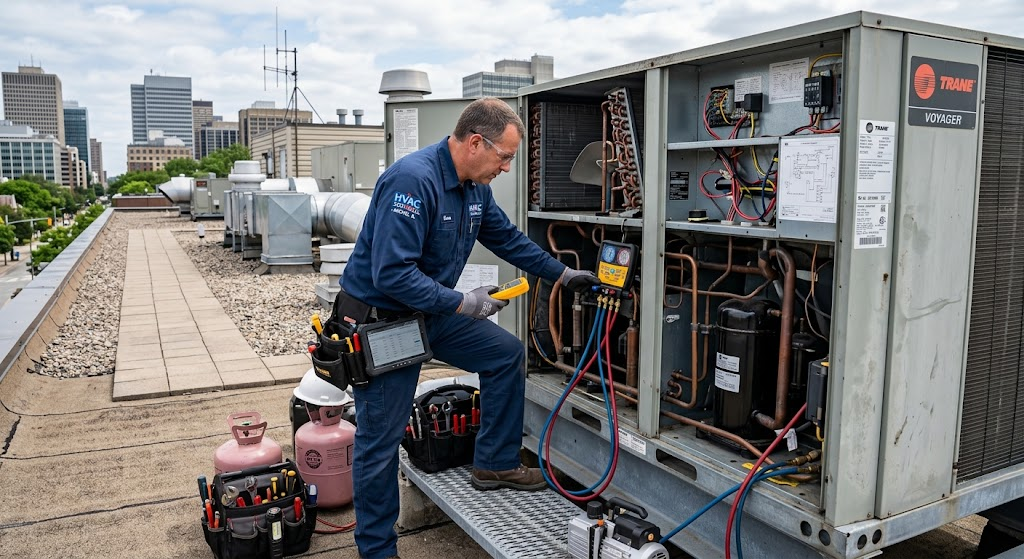
Refrigerant leaks present a serious problem, often resulting in diminished cooling capacity. Low refrigerant levels can contribute to frozen evaporator coils, ultimately causing the system to generate warm air instead of cool. Signs that may indicate a refrigerant leak include hissing sounds and reduced cooling performance.
Addressing these leaks promptly is essential. Homeowners should seek professional help for refrigerant repairs, as handling this substance requires appropriate training and equipment.
Dirty Evaporator Coils
Another component often overlooked is the evaporator coil. When accumulated dirt and debris cover the coils, system efficiency can decline. Dirty coils force the unit to work longer to achieve the desired temperature, potentially increasing energy consumption.
Routine maintenance, including professional cleaning and inspections, helps maintain optimal coil performance and prevent unnecessary strain.
Dealing with Other Common HVAC Problems
Several other issues can arise with HVAC systems. Understanding these challenges facilitates timely intervention and helps maintain comfort and efficiency throughout the home.
Water Leaks from the Unit
Water leaks can stem from clogged condensate drain lines or damaged drain pans. Water pooling around the equipment can encourage mold growth and cause structural damage over time. Regular inspections of the drainage system help identify blockages before they result in more serious problems.
Uneven Heating or Cooling
Uneven temperature distribution in different rooms can indicate underlying issues such as poor insulation, blocked vents, or ductwork problems. Insufficient insulation can lead to heating and cooling losses, while blocked vents prevent proper air circulation.
Zoning solutions, improved insulation, and duct adjustments can help balance temperatures throughout the home.
Common HVAC Problems at a Glance
The following table summarizes the main components and issues homeowners should monitor:
| HVAC Component | Common Problem | Possible Consequence | Recommended Action |
|---|---|---|---|
| Air filters | Dirt and blockages | Restricted airflow | Inspect and replace regularly |
| Thermostat | Incorrect readings | Inconsistent temperatures | Check settings and placement |
| Refrigerant lines | Leaks | Reduced cooling capacity | Contact an HVAC technician |
| Evaporator coils | Dirt accumulation | Reduced efficiency | Schedule professional cleaning |
| Condensate drain | Blockages | Water leaks | Inspect and clear drainage issues |
| Ductwork | Leaks or obstructions | Uneven heating and cooling | Arrange a duct inspection |
Preparing for HVAC System Longevity
To maintain the efficiency and longevity of your HVAC system, regular maintenance remains essential. Addressing common problems with appropriate solutions helps keep equipment operating reliably.
Implementing Routine Maintenance Strategies
Scheduled maintenance visits can significantly improve system performance and help identify potential problems before they escalate. Homeowners should consider seasonal inspections to ensure that all major components remain in good condition.
Professional HVAC services can provide comprehensive maintenance, covering everything from filter replacements to detailed system diagnostics. A proactive approach to common HVAC problems can help reduce unexpected repairs, control energy consumption, and preserve indoor comfort over time.