In a rapidly evolving business landscape, ensuring safety and security in the workplace has shifted from being a simple obligation to a vital strategic initiative. With technology advancing at an unprecedented pace, the integration of security systems offers organizations an innovative approach to protecting their employees, assets, and data. This article delves into how integrated security not only enhances safety protocols but also streamlines operations, paving the way for a more secure and efficient work environment.
Understanding Integrated Security Systems
Integrated security refers to the comprehensive integration of various security technologies to create a unified, resilient system. This approach goes beyond isolated components like surveillance cameras or access controls; it connects them to work collaboratively, providing a centralized platform for monitoring and managing safety measures.
Components of Integrated Security
To appreciate fully how integrated security functions, it’s essential to recognize its core elements. These include:
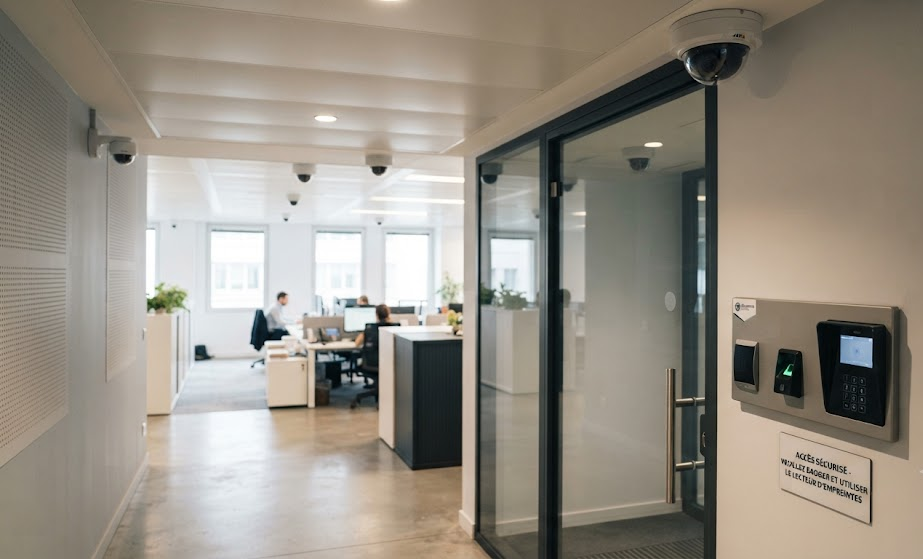
- CCTV and Access Control: This integration allows security cameras to activate upon detecting unauthorized access, enabling real-time monitoring.
- Alarm and Fire Systems: When threats like fire or break-ins occur, these systems can trigger alerts to relevant personnel and emergency services simultaneously.
- Cybersecurity Integration: By aligning digital security measures with physical ones, organizations can protect both data and physical premises from breaches.
How Integrated Security Works
The functioning of integrated security systems rests on a few foundational principles that ensure layers of protection are effectively synchronized. The core of this model involves a centralized control platform that consolidates data from all security devices.
Centralized Monitoring Platforms
All devices, such as cameras and alarms, feed their data into a unified management system. This centralization not only simplifies monitoring but also enhances decision-making. For example, if an intrusion is detected, the system can simultaneously alert security personnel and provide live video feeds of the incident.
Automation and Triggered Responses
Automation plays a critical role in enhancing response efficiency. Specific security events can trigger automated actions; for instance, a door breach can launch a security camera’s focus while simultaneously notifying the security team. This automatic response minimizes human error and accelerates intervention.
The Advantages of Integrated Security Systems
Transitioning to an integrated security system delivers numerous benefits that extend beyond enhanced safety. Organizations often experience a broader range of operational efficiencies and proactive threat management.
Enhanced Situational Awareness
With all systems working in concert, organizational teams can maintain a clearer overview of their surroundings through a single interface. Immediate alerts paired with live visuals facilitate rapid and effective responses to potential threats.
Streamlined Operations
Centralizing data management eliminates the need for multiple passwords and systems, simplifying monitoring and maintenance. This streamlining leads to significant time and cost savings.
Proactive Threat Prevention
With integrated systems employing AI and analytics, businesses can detect patterns that highlight potential threats. This proactive approach enables timely interventions before issues escalate into crises.
The Role of Security Integrators
The implementation of integrated security systems hinges significantly on the expertise of security integrators. These professionals design, implement, and maintain security solutions tailored to the specific needs of an organization. Their tasks often include:
- Assessing Current Setups: Integrators review existing security measures to identify weaknesses and areas that require enhancement.
- System Architecture Planning: They develop a cohesive system blueprint, determining which technologies align best with organizational goals.
- Ongoing Support and Maintenance: After installation, integrators provide continued training and maintenance to ensure systems operate seamlessly.
Preparing for the Future of Workplace Security
As we look ahead, the trajectory for integrated security is set towards even more automation and connectivity. The incorporation of IoT devices and advanced analytics is redefining what security means in corporate settings. Imagine a system that not only responds to breaches but also predicts potential threats through data patterns.
The Impact of Automation and AI
Future integrations will likely leverage smart sensors capable of recognizing faces or detecting unusual behavior. Integrating AI with integrated security systems will enable organizations to operate with heightened vigilance and efficiency.
Implementing Integrated Security Solutions
The journey to integrated security implementation can seem daunting, yet it unfolds in structured phases. Initially, businesses conduct needs assessments to identify their specific security needs. Afterward, careful planning leads to the selection of appropriate technologies, followed by professional installation and ongoing maintenance.
Collaboration for Optimal Security
It’s essential for organizations to collaborate closely with experienced security partners. This partnership ensures compatibility between different technologies, minimizes security blind spots, and enhances overall operational coherence.
- Collaboration Resources: Engage with professional security services that specialize in integrative solutions.
- Evaluate Existing Technologies: Determine how current systems can be integrated or upgraded.
- Implement Training Programs: Ongoing training helps staff utilize integrated systems effectively.
In conclusion, integrated security systems not only represent a step towards safer work environments but also act as catalysts for business efficiency and resilience. As technology evolves, the ability to adapt and integrate will define successful organizations in the future. Embracing such systems is not merely an option; it’s an essential strategy for thriving in the contemporary business climate.