
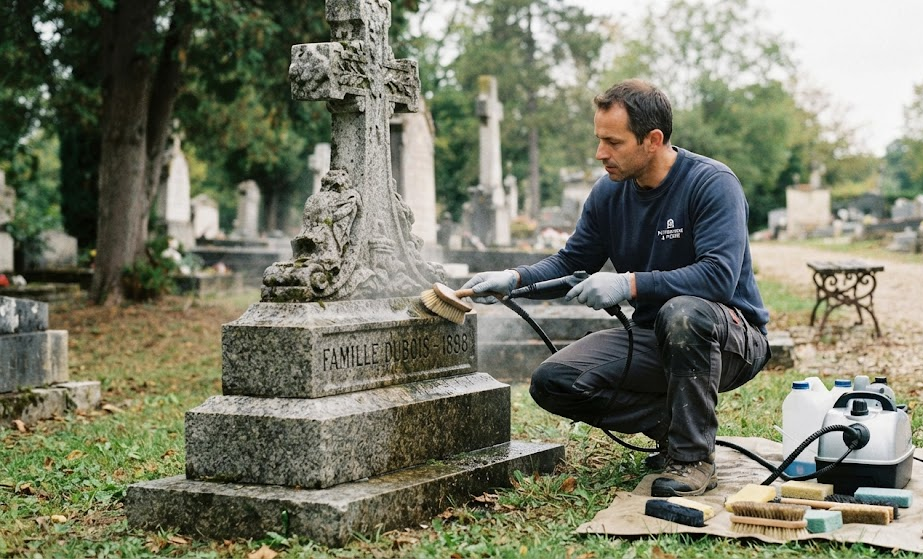
The tranquil atmosphere of cemeteries serves as a backdrop for contemplation and remembrance. However, the monuments and gravestones that honor our dearly departed often fall victim to unsightly biological growth. Whether it’s a green film or dark patches, these growths threaten the integrity and beauty of these memorials. Understanding how to effectively and safely remove biological growth from cemetery monuments can preserve these important tributes for future generations.
Understanding Biological Growth on Grave Markers
Before diving into removal techniques, it’s essential to recognize what specific biological growths can appear on cemetery monuments. Each type has unique characteristics and can cause harm in different ways.
Identifying Different Types of Growth
Typically, three main culprits dominate the biological growth landscape: lichen, mold, and algae. Below is an overview of each type.
- Lichen: A resilient partnership between fungus and algae, lichen appears in various forms and bonds firmly to stone surfaces. Its roots can penetrate the stone, making it difficult to remove.
- Mold: This type of fungus thrives in damp environments and manifests as dark or slimy patches. Mold feeds on organic matter found in dust and bird droppings, making gravestones a perfect host.
- Algae: Often appearing as a green film, algae is less destructive than lichen but can create a damp environment that promotes mold and lichen growth.
The Consequences of Ignoring Biological Growth
While these growths may seem cosmetic, the long-term effects on gravestones are significant. Both physical and chemical processes come into play, gradually deteriorating the stone.
Physical Impact of Biological Growth
The root-like structures of lichen and mold infiltrate the stone’s pores, expanding and contracting with temperature changes. This process acts like tiny wedges, leading to pitting and weakening of the stone.
Chemical Consequences
Biological growths also produce acids and moisture, which further erode the surface. The acidic byproducts can dissolve essential minerals in the stone, leaving it vulnerable to the elements.
Safe and Effective Removal Techniques
When faced with biological growth, the urge to use harsh chemicals and abrasive tools can be tempting. However, these methods can lead to irreversible damage. Instead, here are the recommended safe practices for removal.
Choosing Professional-Grade Solutions
Many experts recommend using specialized products for the safe removal of biological growth from monuments. One such product is D/2 Biological Solution, which is recognized for its non-acidic and environmentally friendly properties. It penetrates and dissolves the cellular structure of the organisms, allowing for gentle rinsing.
Mechanical Cleaning Techniques
For lighter accumulations, gentle mechanical cleaning is an effective first step. This approach involves using soft, natural-bristle brushes to delicately agitate and lift away debris. Never use metal tools or pressure washers, as they can scour and damage the stone.
Addressing Specific Growth Types
Different types of biological growth demand tailored approaches when it comes to removal. Understanding these specific methods can enhance the effectiveness of the cleaning process.
Strategies for Removing Lichen
Due to its strong adhesion, lichen often requires careful mechanical removal. If needed, use a wooden spatula to gently lift the edges, combined with a soft brush and lots of water. This method is far safer than scrubbing, which can further embed the lichen.
Handling Mold and Algae
For mold and algae, routine cleaning with a soft brush and water can be sufficient. When mold is persistent, a solution like D/2 may prove beneficial. Regular maintenance visits can prevent accumulation, preserving the monument’s appearance.
Cleaning Cautions and Common Mistakes
As you embark on the cleaning process, it’s vital to be aware of common pitfalls that can lead to more harm than good. Avoid certain home remedies and aggressive tactics that could damage the stone.
Home Remedies to Avoid
Many online sources recommend solutions like vinegar, bleach, and ammonia for cleaning stone. These products can cause long-term damage and are best avoided:
- Vinegar: This acidic solution can etch calcium-based stones like marble.
- Bleach: While effective at removing stains, bleach introduces harmful salts into the stone.
- Ammonia: This can cause discoloration or damage to various stone types.
A Word About Pressure Washing
Using a pressure washer on a historic gravestone can be one of the most destructive actions, forcing water into the stone and causing further damage. Avoid pressurized water at all costs to maintain the integrity of the stone.
Preserving Memories with Respect
Caring for cemetery monuments embodies an act of love and respect for those who have passed. Whether it’s a personal family grave or a historical monument, the goal should always be preservation without causing harm.
Consulting Professionals
Before initiating any cleaning process, especially within historical cemeteries, consult the cemetery management or consider hiring a professional conservator. Their expertise ensures that the cleaning is done correctly, minimizing risks to these cherished memorials.
Investing time in learning about safe and effective cleaning methods reveals a commitment to honoring our loved ones. Every detail on a gravestone tells a story, and through careful preservation, these stories can continue to resonate for generations to come.