In the dynamic world of commercial buildings, the performance of a roof is as vital as the foundation beneath it. However, one often overlooked aspect is how rooftop equipment significantly influences the overall roof performance. Understanding this intricate relationship is essential for building owners and facility managers aiming to extend the lifespan and efficiency of their roofing systems.
Understanding the Connection Between Rooftop Equipment and Roof Performance
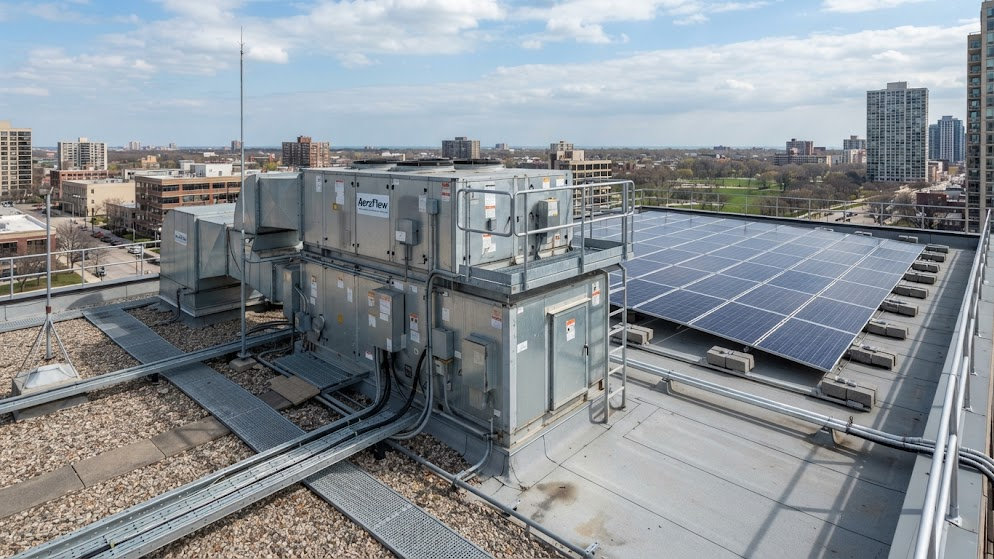
The impact of rooftop equipment on commercial roofs cannot be understated. Various elements, such as HVAC units, vents, and solar panels, introduce unique stresses that can lead to premature wear and structural failures if not properly managed. These components do not operate in isolation; instead, they interact with the roof as a system, affecting everything from ventilation to insulation integrity. When assessing a roof’s performance, it’s crucial to consider how these various apparatuses work together with the roofing materials.
Examining the Mechanisms of Damage
Rooftop equipment causes damage through several mechanisms. One primary source of concern is foot traffic. Every time technicians service HVAC units or perform maintenance, they tread across the roofing membrane, risking damage. Over time, this repeated stress can compress the underlying insulation and lead to leaks. Additionally, the weight of heavy equipment can create concentrated loads, which may compromise the roofing assembly if not adequately supported.
Identifying Common Problems Associated with Rooftop Equipment
Various issues arise from improper management of rooftop equipment. Recognizing these problems is the first step in mitigating their impacts. Roof assemblies that aren’t designed for the actual stresses experienced may face significant challenges, including:
- Compressive Damage: Weight from HVAC units can compress insulation, leading to reduced thermal performance.
- Membrane Punctures: Inadequate protection from foot traffic can result in punctures, lowering the roof’s lifespan.
- Drainage Issues: Rooftop installations can obstruct water flow, leading to pooling and potential leaks.
Each of these problems not only compromises the roof but also increases repair costs and operational downtime for businesses. Hence, understanding these vulnerabilities is paramount in maintaining roof integrity.
Enhancing Roof Performance with Systemic Solutions
The key to improving roof performance lies in treating the roofing system as an integrated assembly. Utilizing components such as strong cover boards can fortify the assembly. These boards improve the overall performance in several ways:
- Stabilization: They create a consistent surface for membrane attachment, ensuring better fastener engagement.
- Load Distribution: Cover boards evenly distribute weight, reducing localized compression on insulation.
- Impact Resistance: Proper layers help protect against hail and other environmental impacts, passing rigorous performance tests.
Employing these systemic solutions not only enhances performance but also prolongs the lifespan of the roofing system.
Case Studies Highlighting Effective Roof Solutions
Several organizations have implemented successful strategies to manage rooftop equipment and improve roof performance. For instance, a prominent data center recently redesigned its rooftop layout to distribute weight more evenly across its membrane. They integrated lightweight cover boards and ensured proper drainage pathways, which significantly reduced water pooling issues. As a result, the life of the roof was extended by over a decade.
Implementing Routine Maintenance to Support Roof Integrity
Even the best design and installation won’t stand the test of time without consistent maintenance. Regular inspections are crucial for identifying early signs of wear. Specific areas around rooftop equipment should be monitored closely for:
- Surface Wear: This can reveal the effects of foot traffic and equipment weight.
- Leakage Points: Early detection can prevent more significant issues down the line.
- Structural Integrity: Check for any deterioration in support systems beneath installed equipment.
By prioritizing maintenance, building owners can ensure their rooftops are equipped to handle the stresses of their installations.
Future Trends in Rooftop Equipment and Roof Performance
As technology advances, the relationship between rooftop equipment and roof performance will continue to evolve. Roofing experts can help assess how new installations, including solar panels and green roofs, may affect the structure and overall performance of a commercial roof. Increasing trends toward sustainability mean that more rooftop installations will focus on integrating these features. Balancing functionality with these innovations will require ongoing adaptation and evaluation of roofing systems to meet performance expectations.
To effectively manage the relationship between rooftop equipment and roof performance, it is essential to adopt a holistic view that transcends individual components. Recognizing that every piece—from the insulation to the membrane and cover boards—plays a role in the system’s overall health will enable better decision-making and long-term savings for building owners.