
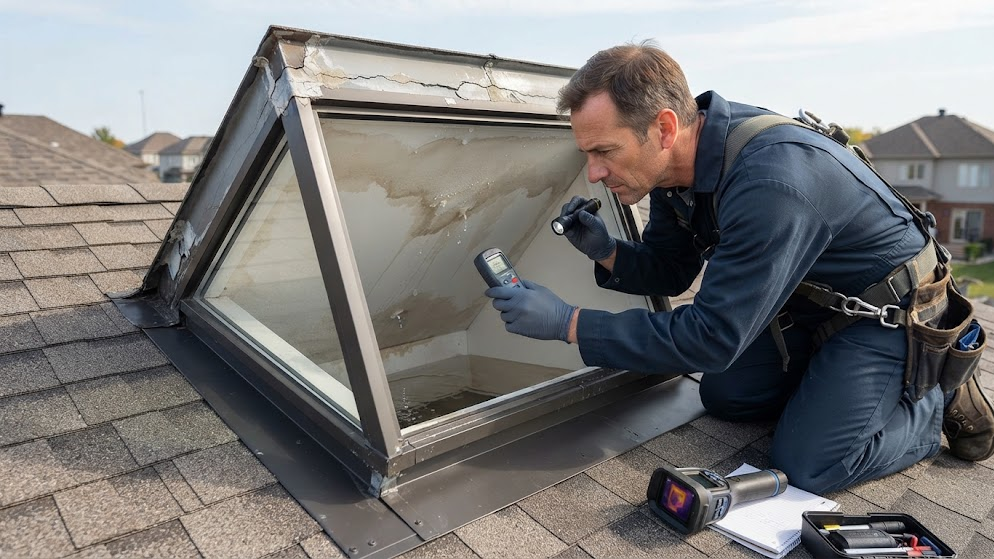
In the world of home maintenance, few issues are as perplexing as a wet spot under a skylight. Homeowners frequently grapple with the stark difference between condensation and an actual roof leak. This article delves deep into these common skylight problems, helping you discern the underlying issues with clarity and confidence.
Recognizing the Source: Understanding Condensation vs. Roof Leaks
To tackle any issues with your skylight, it is essential first to identify whether you are facing condensation or a genuine leak. Each problem exhibits its own nuances, which can help guide your next steps.
Identifying Signs of Condensation
Condensation often occurs when warm, moist air meets cooler surfaces, such as skylight glass. Look for these indicators:
- Timing: Condensation typically shows up on cold, clear mornings after humid nights.
- Distribution: Water appears uniformly across the glass or pooling at the bottom, rather than in specific spots.
- Location: Commonly exacerbated in kitchens and bathrooms where moisture levels are higher due to daily activities.
Pinpointing a Leak
On the other hand, if water enters your home during or right after rain, it is a likely indication of a leak. Consider the following signs:
- Location of Water: The moisture might concentrate at one corner or track down the ceiling.
- Weather Correlation: If dampness appears after a rainstorm, it points to an external leak.
- Post-Work Signs: Water intrusion might follow recent roofing repairs or severe weather events.
Addressing Condensation Issues Effectively
When condensation is to blame, there are effective strategies to mitigate the moisture problem. Improving ventilation and enhancing glass warmth can go a long way.
Enhancing Ventilation
One of the most effective methods to reduce indoor humidity is by improving ventilation. Implement these practices:
- Utilize Exhaust Fans: Run fans during and after cooking or bathing to disperse moisture.
- Open Windows: Allow fresh air to circulate, particularly during warmer months.
- Use Dehumidifiers: In areas with persistent moisture, consider using a dehumidifier to keep humidity levels in check.
Upgrading Skylight Glass
If condensation persists, it may be worth considering upgrading to energy-efficient glass solutions. These replacements can keep the inner pane warmer, reducing the likelihood of condensation. Investing in triple glazing may prove beneficial, especially in climates with extreme temperature fluctuations.
Confronting Actual Roof Leaks
When facing an actual leak, identifying the root cause is paramount for effective repairs. A stepwise approach can assist in addressing the problem accurately.
Common Causes of Leaks
Leaks often stem from several sources. Here’s what you should check first:
- Blocked Drainage: Ensure that drainage channels around the skylight are clear of debris such as leaves and dirt.
- Perished Gaskets: Inspect the rubber seals around the skylight; these can degrade over time, allowing water infiltration.
- Flashing Integrity: The metal flashing connecting the skylight to the roof is often the culprit if improperly installed or damaged.
Taking Action for Effective Repairs
Once the likely source of the leak has been identified, take appropriate action. Here are several options for addressing each issue:
- Clearing Blockages: A simple ladder job to clear any debris can significantly reduce leaks attributed to drainage issues.
- Replacing Gaskets: While somewhat more involved, gasket kits are available for many skylight models and can be swapped out easily.
- Professional Re-flashing: For significant issues stemming from flashing, hiring a professional for re-flashing ensures proper installation.
Visual Diagnosis and Monitoring Changes
Being proactive in monitoring variations in daylighting and moisture can protect your home in the long run. Engaging in regular checks and developing a keen eye for the signs of potential problems can save homeowners significant costs associated with damage.
Performing a Simple Check
After monitoring conditions in your home, if you are still unsure whether your skylight issue stems from condensation or a leak, perform a self-diagnostic test:
- Wipe Glass Dry: Start by drying the interior glass completely on a cool morning.
- Observe for Water: If moisture resurfaces while the exterior remains dry, it’s condensation.
- Check Surrounding Materials: Feel the surrounding walls and trim for moisture; dryness indicates condensation.
Conclusion: Seeking Professional Guidance
Ultimately, whether you’ve diagnosed a condensation issue or a roof leak, knowing when to consult a specialist can prevent extensive damage and preserve your home’s integrity. If the problem persists or worsens, engaging a roofing professional for further exploration is highly advisable. Timely intervention can save you from costly repairs and ensure your skylight remains a bright, enjoyable feature in your home.