
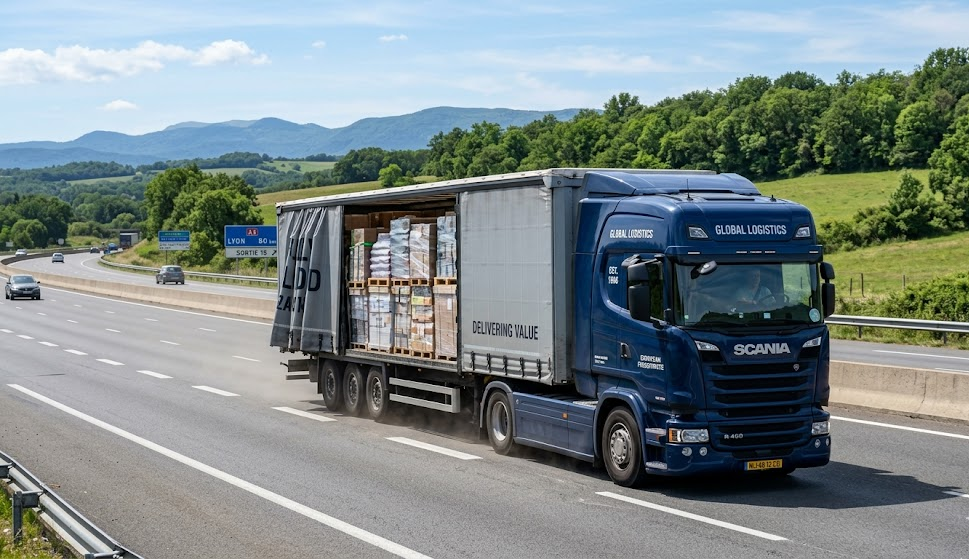
In the dynamic world of logistics, selecting the best shipping method can significantly impact operational efficiency and cost savings. Among the various options available, Full Truck Load (FTL) shipping stands out as a method offering unparalleled speed, security, and control for specific freight transport needs. This article dives deep into the advantages of FTL shipping and clarifies when it is the optimal choice for businesses navigating today’s supply chain complexities.
Understanding Full Truck Load Shipping: What It Is and How It Works
Full Truck Load (FTL) shipping involves dedicating an entire truck to a single shipment. Unlike less-than-truckload (LTL) shipping, where multiple shippers share the same trailer, FTL ensures your cargo is the only freight onboard from the moment it leaves the loading dock until it reaches its destination. This exclusivity minimizes handling and significantly reduces delivery times, making it particularly advantageous for time-sensitive shipments.
Key Features of FTL Shipping
Several attributes make FTL an excellent choice for bulk shipping. Understanding these can help companies recognize when to reserve a dedicated truck. Here are the primary benefits of choosing FTL Shipping:
- Faster Transit Times: FTL shipments typically arrive within two to three days, compared to five to seven days for LTL.
- Reduced Risk of Damage: With fewer handling points and no cross-docking, the likelihood of cargo being damaged is significantly lower.
- Cost-Effectiveness for Large Loads: When shipments exceed a certain volume, FTL often becomes more economical than multiple LTL shipments.
- Increased Security: The chance of theft or contamination is minimized as your cargo does not share space with other shipments.
Identifying Scenarios Where FTL Is Most Beneficial
Choosing FTL shipping isn’t a one-size-fits-all solution. Several scenarios highlight when this approach should be favored over other options:
High Volume Shipments
Volume plays a significant role in determining the need for FTL. If your shipment occupies more than 10 to 12 pallets or exceeds the weight threshold of approximately 15,000 pounds, it’s a clear indication that FTL is a viable choice. Utilizing a full truck for these shipments not only maximizes cargo capacity but also enhances shipping efficiency.
Time-Sensitive Deliveries
In a business environment where time is of the essence, such as in manufacturing or retail operations, FTL ensures that fragile goods and bulk orders reach their destination without delays. The direct route taken for FTL reduces the time wasted on unnecessary stops, making it ideal for urgent deliveries. This reliability is crucial for companies aiming to meet stringent deadlines.
Specialized Handling Requirements
For goods requiring unique handling conditions, FTL stands out as the preferred choice. Temperature-sensitive shipments, such as pharmaceuticals or perishable food items, benefit from dedicated trailers that maintain appropriate environments throughout transit. Moreover, items needing specialized equipment for transport can be effectively managed with FTL, ensuring safety and compliance.
Maximizing Value in Full Truck Load Shipments
To derive optimal benefits from your FTL shipments, a strategic approach is necessary. Businesses can implement several practices:
Optimizing Trailer Utilization
Ensuring the truck is filled to capacity maximizes the benefits of FTL. Work on consolidating orders and synchronizing production schedules to enhance trailer utilization. Every inch of space counts in bulk shipping.
Effective Communication with Carriers
Maintaining open communication with carriers can lead to smoother logistics operations. Providing accurate shipment details, including weight and dimensions, helps avoid unexpected charges or delays.
Leveraging Technology in Logistics
Using real-time tracking tools and digital booking platforms can enhance efficiency and transparency. These technological advances enable quicker adjustments to delivery schedules and provide better visibility throughout the transport process.
When to Consider Alternatives to FTL
While FTL has many advantages, there are situations where other shipping methods, like Less Than Truck Load (LTL), may be more suitable. For lighter loads that do not fill a trailer or shipments that are not time-sensitive, LTL can offer significant cost savings. Understanding the nuances between these transport methods can lead to more informed operational choices.
Conclusion on Full Truck Load Shipping for Your Business’ Needs
Choosing the right shipping strategy is essential for optimizing your logistics and improving delivery time. When full truck load shipping aligns with your needs—whether for large volumes, urgent deliveries, or specialized handling—it significantly enhances your supply chain. By leveraging FTL, businesses can enjoy greater control, efficiency, and predictability in their freight transport operations.