
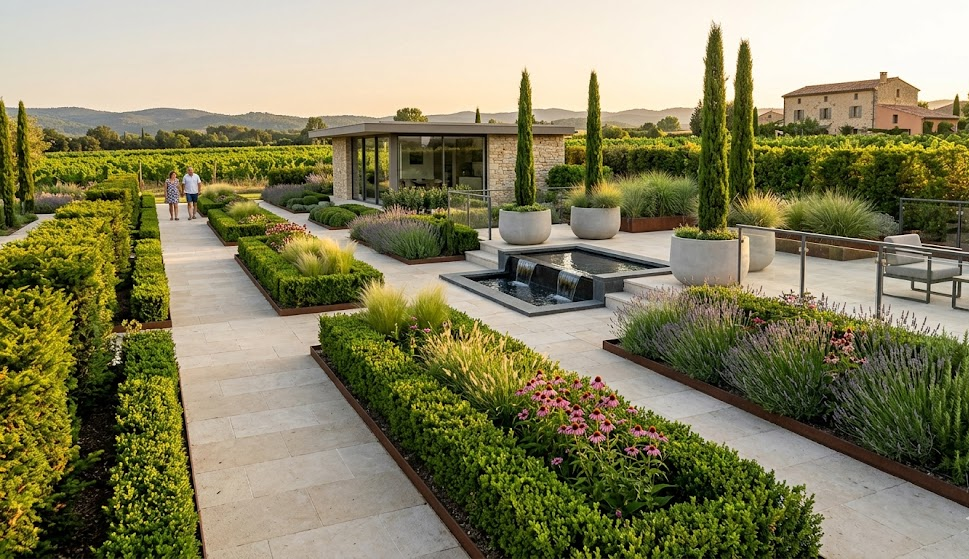
Creating a stunning outdoor space involves more than just planting flowers or laying down a path. A well-designed landscaping layout harmonizes various elements to ensure both aesthetic appeal and functionality. Each choice made within this design can turn an ordinary yard into an extraordinary sanctuary that caters to the senses and enhances the overall experience.
Understanding the Foundations of Landscaping Design
The core of effective landscaping lies in the five fundamental elements: color, line, texture, form, and scale. These components act as the backbone for creating a balanced and inviting outdoor area. By tailoring these elements to specific needs, homeowners can craft spaces that resonate with their personal style while remaining practical.
Exploring the Role of Color in Landscaping
Colors can evoke emotions, set the mood, and bring life to any garden. They create seasonal interest, allowing a landscape to transform with the changing seasons. For instance, warm hues like yellows and reds can energize a space, while cool tones bring calmness. Additionally, a thoughtful palette ensures continuity and flow throughout the landscape.
To maximize impact, consider the following:
- Select plants that bloom at different times for year-round color.
- Incorporate evergreens to provide structure during winter.
- Utilize annuals for seasonal bursts of vibrancy.
Creating Structure with Lines in Landscaping
Lines in landscaping define spaces and influence movement. They guide the eye, facilitating a natural flow through the area. Lines can be straight for a formal approach or curved for a more organic feel that reflects the unevenness of nature.
Using Various Line Styles for Enhanced Visual Appeal
Different line styles can dramatically change the perception of a space:
- Straight lines: Often used in formal gardens to create symmetry and structure.
- Curved lines: Mimic natural forms, suggesting softness and relaxation.
- Diagonal lines: Add excitement and dynamic flair to the layout.
Strategically placed pathways can become focal points within your design, drawing visitors toward specific elements, like a seating area or a sculpture.
Enhancing Landscapes with Texture
Texture adds depth and contrast, making a space visually engaging. The combination of various materials—hardscape surfaces alongside softscape elements—creates a multi-faceted experience. Smooth paths juxtaposed with the roughness of bark or the softness of grass enrich the sensory experience.
Combining Hardscape and Softscape for Balance
Incorporating both hard and soft elements can dramatically enhance landscape interest:
- Hardscaping: Features such as stone paths, patio surfaces, and retaining walls provide necessary structure.
- Softscaping: Plants, shrubs, and ground covers soften transitions and introduce organic variations.
- Mixing textures allows the landscape to evolve with the seasons, offering continual visual intrigue.
Understanding Form in Landscape Layout
Form refers to the shapes created by plants and structures within the landscape. It dictates the character of the space, whether formal or informal. Geometric shapes can suggest rigidity while free-flowing forms promote a sense of natural movement.
Choosing Forms That Reflect Style
When planning, think about the forms you wish to incorporate:
- Symmetrical forms: Ideal for formal gardens, utilizing precise shapes for structure.
- Asymmetrical forms: Great for casual gardens, promoting a relaxed and approachable atmosphere.
- Pairing different forms can lead to a dynamic visual storyline within your space.
Maintaining Scale in Landscaping Design
Scale is essential to maintaining proportional harmony between various elements in the landscape. The relationship between plant sizes, features, and existing structures influences how comfortable and cohesive a space feels.
Applying Scale for Effective Layouts
Consider the following guidelines when determining scale:
- Match the size of plants with the property to avoid overcrowding.
- Ensure hardscape elements align with the home architecture for visual consistency.
- Select standout pieces, like a grand tree or ornate fountain, to serve as focal points.
Balancing all elements allows the landscape to feel intentional and thoughtfully designed.
Designing Functional Spaces with Purpose
Beyond aesthetics, landscaping must cater to lifestyle needs. Incorporating open areas allows for recreational use, relaxation, or social gatherings. According to renowned landscape architect Benedito Abbud, the true magic of landscaping lies in its ability to engage all five senses, creating a rich sensory experience.
Utilizing Open Areas for Versatile Activities
When planning these spaces, consider various functionalities:
- Designate picnic areas with seating arrangements and shade.
- Create spaces for children to play and for pets to roam free.
- Incorporate water features to combat heat and provide tranquil moments.
Integrating Sustainability in Landscape Design
Sustainable landscaping practices not only benefit the environment but also reduce maintenance in the long run. Selecting native plants and employing efficient irrigation systems can result in long-lasting, eco-friendly designs.
Additionally, integrating permeable paving and natural mulching supports local ecosystems and ensures healthy soil.
Strategies for Sustainable Landscape Practices
Utilizing sustainable practices contributes to an eco-conscious approach in landscaping:
- Choose native plants that require less water and care.
- Implement composting and organic matter to enrich soil health.
- Install rainwater collection systems for irrigation purposes.
By prioritizing sustainability, homeowners can create exquisite landscapes that coexist harmoniously with nature.