
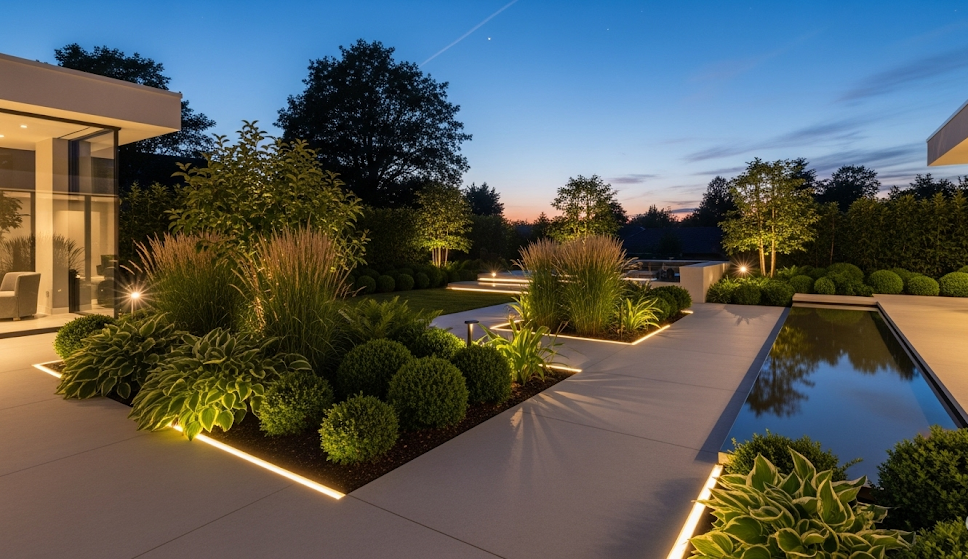
When it comes to creating stunning outdoor spaces, understanding the key principles of modern landscape design is essential. These foundational elements not only enhance the beauty of any landscape but also ensure that it functions harmoniously within its environment. Let’s explore the seven principles that can transform your yard into a captivating retreat.
1. Unity in Landscape Design
Unity refers to a cohesive feeling that unites different elements within a space. It creates a sense of harmony that pleases the eye and invites users to engage with their surroundings. Unity can be achieved through repetition of shapes, colors, or materials throughout the landscape. For example, using a harmonious color palette in your planting scheme can foster a feeling of oneness. Instead of chaotic clusters, the landscape will exude a serene and cohesive vibe.
2. Achieving Balance in Outdoor Spaces
Balance is another critical aspect of any landscape design. There are two main types—formal and informal balance. In a formal landscape, elements are symmetrically arranged so that each side mirrors the other, creating a sense of equilibrium. On the other hand, an informal balance allows for asymmetry while ensuring that the visual weight of the components feels consistent. Integrating this principle ensures that landscapes are visually engaging without evoking chaos.
Why Balance Matters
The importance of balance goes beyond aesthetics; it can evoke feelings of peace and stability within the space. A well-balanced design makes it easy for visitors to navigate through the area, allowing them to appreciate the beauty around them without feeling overwhelmed.
3. The Role of Lines in Landscape Design
Lines serve as the pathway through which the eye travels. In landscaping, these lines can be both visible and invisible, guiding movement and connecting varied elements. Physical structures like walkways, hedges, and water features serve to create lines that enhance connectivity within a space. Straight lines often convey a formal style, while curves can bring a more relaxed and inviting atmosphere. By playing with lines, you dramatically influence how visitors interact with your yard.
4. Leveraging Contrast for Visual Interest
Contrast involves placing elements that are fundamentally different next to one another to create visual intrigue. Utilizing contrasting colors, textures, or shapes can serve to highlight specific features of your design, drawing focus and breaking any monotony. For instance, a bright flower bed against a backdrop of dark evergreen shrubs creates an eye-catching contrast that enlivens the entire area.
Using Contrast Wisely
When implementing contrast, it is crucial to maintain a balance; too much can lead to visual clutter. Selective use of contrasting elements can enliven spaces while still ensuring the overall design remains cohesive and harmonious.
5. Repetition as a Design Element
Repetition in design helps to create patterns and rhythm within the landscape. This principle fosters a sense of familiarity and comfort in the environment. For example, repeating the same types of flowers at intervals throughout a garden or employing a consistent material in paths and walls can forge a visually appealing continuity. However, the key to effective repetition lies in subtle variations that maintain interest without straying into monotony.
6. Emphasizing Simplicity in Design
Amidst the trends of bold colors and elaborate features, simplicity remains an enduring principle. A clean, uncluttered design often resonates best, allowing the natural beauty and personality of the space to shine through. Fewer, well-chosen elements can create a sophisticated oasis that feels intentional rather than overwhelming. Incorporate features like water elements, well-placed lighting, and thoughtfully selected plants to achieve this minimalist charm.
7. Focalization: Creating a Centerpiece
The final principle, focalization, advocates for defining a standout feature within your landscape. This could be a stunning sculpture, a bubbling water feature, or even a flowering tree. By drawing attention to a singular element and arranging surrounding components to enhance it, you create a narrative within the space. Moreover, consider how lighting and plant placement can help to emphasize this focal point during different times of day.
Bringing the Focal Point to Life
Once you establish a focal point, think about how to enhance the experience of this feature. Strategically placed outdoor lights can create ambiance at night, whereas colorful flora can provide a stunning backdrop during the day. This attention to detail significantly enriches the overall user experience.
To expand your knowledge of modern landscape design elements, check out more resources at this site and learn how to apply these principles effectively, ensuring your outdoor space is as functional as it is beautiful.