
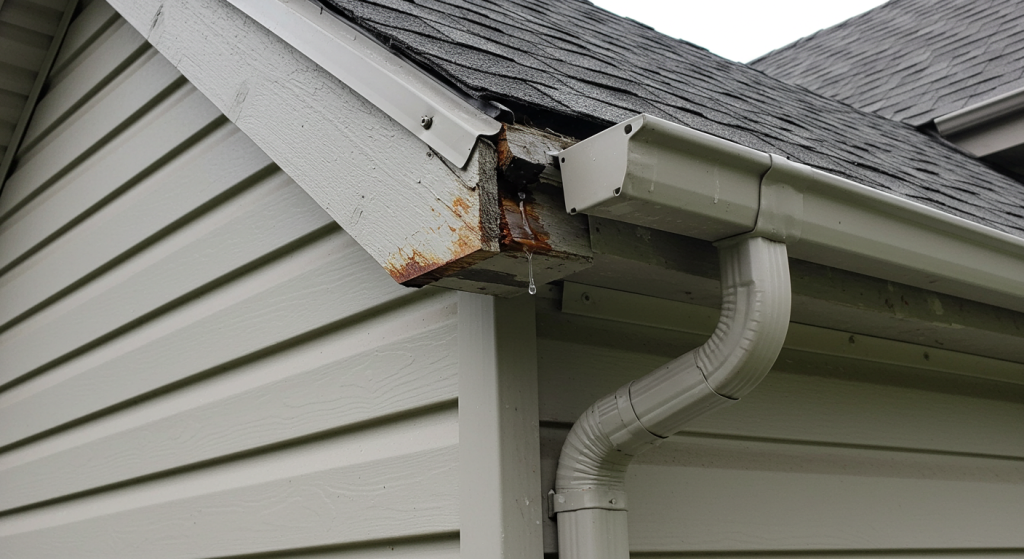
Your eavestrough works diligently day in and day out, particularly during those rainy spells, guiding rainwater safely away from your home. This system not only helps prevent a myriad of costly moisture-related damage but discreetly tends to its task without fanfare. However, like all good things, even the toughest eavestroughs have their limits. Over time, they may begin to display various signs indicating that it’s time for some professional attention.
The Importance of Eavestrough Maintenance
With regular use, your eavestrough can wear down due to environmental factors and the relentless forces of nature. It is essential to be vigilant with maintenance and repairs as ignoring minor issues could escalate into significant problems.
Key Indicators You Need Eavestrough Repair
1. Appearance of Leaks
One of the most obvious signs of trouble is the presence of leaks. If you notice rainwater trickling inside your home, this may indicate a breach in your eavestrough located under the roof’s edge. If water begins seeping into your living space, it is imperative to address the issue posthaste.
2. Cracks and Their Consequences
Even small cracks may seem inconsequential, but left unchecked, they can evolve into far more problematic scenarios. Rainwater can worsen these cracks, creating opportunities for further damage not just to your eavestrough, but also to shingles and fascia boards above. Even worse, a compromised eavestrough could lead to costly damages to your foundation.
3. The Sagging Situation
Does your eavestrough appear to be sagging? This is a clear visual cue that something is amiss. An eavestrough should be securely attached to your roof and walls, and sagging indicates a potential overload of water. Various factors could contribute to this, including:
- Accumulation of leaves, dirt, and debris
- Age-related deterioration
- Poor installation
- Impact damage from nearby branches
4. Broken Fasteners and Screws
The metal fasteners play a critical role in holding your eavestrough in place. If you begin to notice broken fasteners or screws lying on the ground, it is time to take action. Replacing these components is essential for the integrity of your eavestrough system. Keep an eye out; if broken fasteners lead to sagging, a complete gutter replacement may be necessary.
5. The Overflow Issue
During a heavy rainstorm, if your eavestrough starts overflowing, this is a signal that professional help is needed. Assess whether debris buildup is obstructing proper drainage. An eavestrough’s primary job is to redirect stormwater away from your home’s foundation. When it fails, you risk water pooling in unwanted areas.
6. Presence of Mildew
If you see signs of mildew around your home, particularly in previously dry areas, it could point toward an issue with your eavestrough system. Moisture pooling near your foundation often leads to unwanted growth that not only looks unsightly but could also signal a serious problem requiring immediate attention.
7. Peeling Paint Indicates Problems
The paint on your eavestroughs is meant to endure harsh weather. However, if you notice peeling paint or rust flecks, this may indicate that water is accumulated and is consistently retained. This failure can result from blocked systems or existing cracks that necessitate repairs.
Final Thoughts on Eavestrough Health
Being proactive about your eavestrough’s condition can significantly extend its lifespan. Regular inspections and maintenance can save you from costly repairs down the line. When you spot any of the aforementioned warning signs, don’t hesitate; consider reaching out to a trusted eavestrough repair service to tackle the problem swiftly and efficiently.
Understanding the nuances of your eavestrough can protect your home and savings. Timely intervention when issues arise will ensure the longevity of your home’s protective measures.