As air quality becomes an essential concern in homes, homeowners face a critical choice: should they invest in a whole-home air purifier or a portable unit designed for a single room? Understanding the differences between these two approaches reveals not just their individual benefits but also highlights the broader implications for indoor air quality management. Let’s explore the distinctions that will ultimately guide your decision.
Define the Air Purification Needs
To make an informed decision, it’s essential to define your specific air purification needs. The choice between a whole-home air purifier and a room air purifier hinges on several factors, including the size of your living space, existing HVAC systems, and overall air quality concerns.
Assess the Size of Your Home
Understanding the size of your home is paramount in determining which air purification system suits you best. A whole-home purifier is integrated into your existing HVAC system, designed to filter and circulate air throughout the entire living space. This integration means it addresses air quality issues across all rooms, making it an efficient solution for larger homes. Conversely, a room air purifier typically addresses just the air in the immediate vicinity, suiting smaller homes or specific areas where air quality may be a concern.
Evaluate HVAC Compatibility
Another important aspect is the compatibility of your home’s HVAC system. Whole-home purifiers operate seamlessly within the ductwork, ensuring comprehensive coverage. However, homes lacking proper ductwork may not benefit from this solution, making room purifiers a reliable alternative. These portable units can be relocated easily, allowing flexibility based on your immediate air quality concerns.
Understand the Technology Behind Each System
With a clear understanding of your needs and home size, it’s time to delve into the technology behind whole-home and room air purifiers. Both systems utilize advanced methodologies but differ in their approach and effectiveness.
Look at Whole-Home Purifier Technologies
Whole-home systems often incorporate a variety of sophisticated technologies. For instance:
- UV Light Technology: This method helps eliminate bacteria and viruses, enhancing the health of your indoor environment.
- Activated Carbon Filters: These filters target volatile organic compounds (VOCs) and odors, improving air freshness.
- Media Filtration Systems: Utilizing high-efficiency filters, they capture pollen, dust, pet dander, and more, removing fine particles from the air.
This collective design empowers a whole-home purifying system to reduce airborne particulates significantly across the entire property.
Explore Room Air Purifier Features
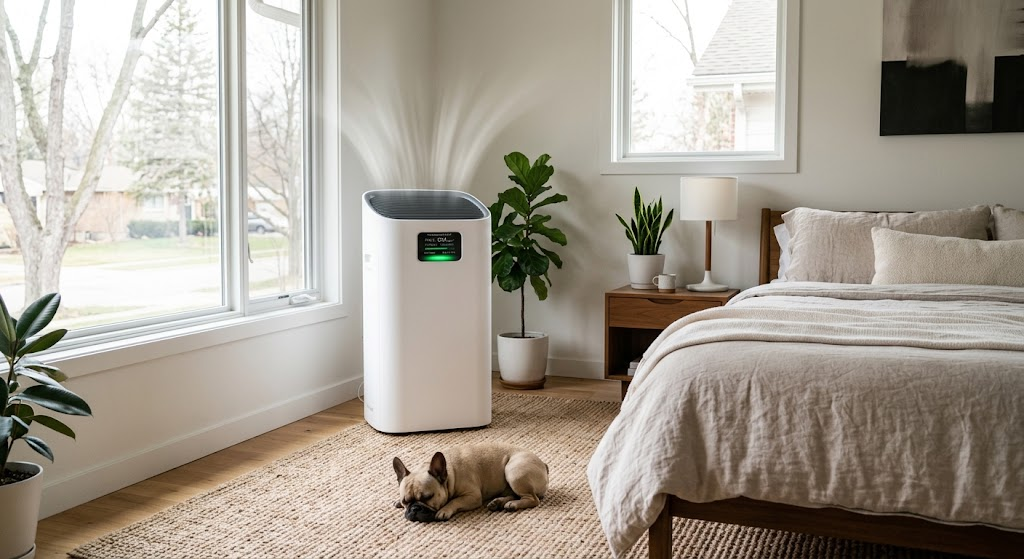
Room air purifiers similarly employ advanced filtration technologies, often including HEPA filters capable of trapping 99.97% of particles. Additionally, many portable purifiers feature:
- Negative Ion Generators: These enhance air quality by attracting and neutralizing pollutants.
- Portability: Their design allows users to place them in high-traffic areas, making them ideal for specific needs, such as allergy relief or minimizing smoke odor.
Though effective, the limited coverage of these units means they may not address pervasive air quality issues present in larger spaces.
Evaluate the Long-term Maintenance and Cost Implications
When selecting your air purification option, considering the economic aspects is essential. Both initial investment and ongoing maintenance play critical roles in the decision-making process.
Consider Whole-Home System Costs
The upfront cost of installing a whole-home system can be higher, as it requires professional installation and possibly system upgrades. However, once installed, maintenance is generally limited to periodic filter changes, making long-term costs predictable. Moreover, the efficiency of filtering air across the entire house can lead to lower energy costs.
Examine Room Purifier Expenses
Portable air purifiers are generally more affordable initially, making them attractive for budget-conscious consumers. However, homeowners can spend $300 to $600 annually on replacements and maintenance for filters, which adds to overall costs. Additionally, while they provide immediate relief in one location, they may necessitate multiple units for comprehensive coverage in larger homes.
Identify Additional Factors to Consider
Air quality is not a simple issue to tackle; understanding various contributing factors will enable a more effective resolution. The environment, humidity levels, and air circulation in your home all play a role in determining which air purification method is most advantageous.
Analyze Indoor Air Quality Issues
Conducting assessments of your home’s air quality can uncover hidden concerns. For instance, homes with leaky ducts or insufficient ventilation often struggle with less efficient filters, making whole-home systems a preferred choice. Conversely, a room air purifier’s localized approach suffices in spaces with minimal air quality issues.
Factor in Humidity Control
Humidity contributes significantly to air quality, particularly in regions prone to excess moisture. Whole-home systems can integrate dehumidifiers to maintain optimal humidity levels. In contrast, room purifiers do not address humidity but can work alongside portable humidifiers for specific spaces.
Ultimately, selecting between a whole-home air purifier and a room air purifier involves careful consideration of your unique household needs and air quality goals. By understanding the differences and aligning them with your living environment, you can enhance indoor air quality effectively.