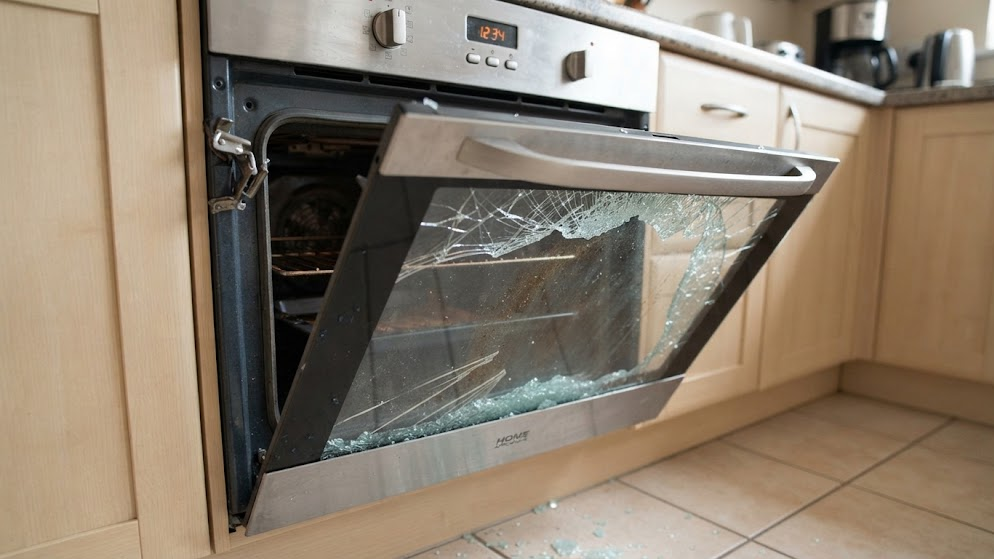
Oven doors serve as the gateway to delicious, home-cooked meals, but when they malfunction, the impact on cooking performance can be significant. A poorly sealing oven door not only affects how well your dishes cook but also raises energy bills and causes safety concerns. Understanding the various issues that can lead to an improperly closing oven door is essential for maintaining a well-functioning kitchen appliance.
Identify Misaligned Door Hinges
Misalignment of the hinges is one of the primary reasons why an oven door may not close correctly. Over time, the repeated action of opening and closing can lead to wear and tear, making it essential to recognize the signs of hinge problems early on.
Understanding the Causes
Several factors contribute to misaligned hinges:
- Wear and Tear: Continuous use can cause hinges to loosen or bend.
- Improper Handling: Aggressive handling or slamming the door can misalign hinges.
- Accidental Damage: Objects striking the door can also lead to misalignment.
Solutions for Misaligned Hinges
Checking the hinges can often reveal signs of wear or damage. Begin by tightening screws and bolts that hold the hinges in place. If the hinges are bent, replacing them may be necessary. For precise instructions, consult your oven’s manual.
Replace a Worn-Out Door Gasket
The gasket around the oven door is integral for maintaining a consistent cooking temperature. A worn-out gasket can lead to significant heat loss and compromised cooking results, making its maintenance a priority.
Identifying Worn Gaskets
Gaskets wear down over time due to:
- Aging: High temperatures can deteriorate the material.
- Frequent Use: An increase in door usage accelerates wear.
- Chemical Exposure: Certain cleaning products can damage the gasket material.
Replacing the Gasket
Once you detect a worn gasket, locate the specific type that fits your oven by checking the user manual. Carefully remove the old gasket, ensuring that you don’t damage the grooves. Install the new one to enhance the oven’s efficiency.
Troubleshoot Latch Problems
A faulty latch can create numerous complications for oven door functionality, affecting heat retention and cooking quality. Understanding latch mechanisms allows for timely interventions.
Common Latch Issues
The latch may fail due to:
- Mechanical Damage: Slamming the door can cause the latch to bend or break.
- Build-Up of Residue: Grease and food particles can cause the latch to malfunction.
- Broken Components: Springs or hooks within the latch may break down.
Fixing the Latch
Start by cleaning around the latch with a damp cloth to remove any debris. Adjust the latch if misalignment is apparent, loosening screws and repositioning it as necessary.
Inspect Door Springs for Functionality
Door springs help regulate the oven door’s weight, ensuring smooth operation. If they fail, closing the door can become a challenge.
Factors Affecting Door Springs
The functionality of springs might be compromised by:
- Corrosion: Exposure to moisture can lead to rusting.
- Material Defects: Poor quality can result in early failure.
- Heavy Operation: Difficulty in opening or closing the door can be a clear indicator of spring failure.
Replacing Faulty Springs
Make sure to disconnect the oven before attempting any repairs. Depending on the model, you may need to remove the oven door, following user manual guidelines to access the springs for examination or replacement.
Clear Obstructions in the Door Path
Objects or debris blocking the door path can make it difficult for the oven door to close completely. Identifying and clearing these obstructions is critical for optimal performance.
Common Obstruction Causes
Several factors might contribute to obstructions:
- Food Debris: Crumbs and grease can build up around the frame.
- Damaged Components: A warped rack or frame can lead to misalignment.
- Foreign Objects: Small items inadvertently left near the door can obstruct closure.
Removing Obstructions
Inspect the area around the oven door for debris and clear any items blocking closure. Regular cleaning helps mitigate this issue.
Address Warped Doors and Frames
A warped door or frame creates sealing issues that negatively impact cooking performance. Identifying warping early can save you from extensive repairs later.
Typical Causes of Warping
Warping may occur due to:
- Heat Exposure: Continuous high temperatures can warp materials.
- Physical Impact: Slamming and dropping can cause bends.
- Manufacturing Defects: Snap-in pieces that aren’t installed correctly may warp easier.
Fixing Warped Components
For minor warps, try adjusting screws and bolts that hold the door in place. For significant warps, consult a professional to explore repair options.
Tighten Loose or Missing Screws
Loose screws and bolts can result in various issues, from operational inefficiency to safety concerns. Maintaining proper fastening is essential for your oven’s functionality.
Recognizing the Causes
Several phenomena can lead to screws and bolts loosening:
- Vibrations: Regular operation can lead to screws loosening.
- Thermal Expansion: Heating and cooling cycles affect metal parts.
- Handling Damage: Improper handling can result in screws becoming loose or missing.
Securing Screws and Bolts
Frequent checks to tighten screws can prevent larger issues. If screws are missing, replace them with appropriate sizes as per the manual, ensuring all components are properly secured.
Verify Installation Correctness
Improper oven installation can lead to a host of issues that undermine performance. Ensuring your unit is correctly installed is key to preventing future headaches.
Common Installation Issues
Challenges can arise from various factors:
- Poor Installation: DIY attempts often lead to errors.
- Measurement Errors: Incorrect dimensions can throw the setup off.
- Lack of Ventilation: Inadequate ventilation can lead to overheating.
Double-check your installation against the manufacturer’s guidelines. Make adjustments as needed, and if uncertainty persists, consider consulting a professional for assistance.