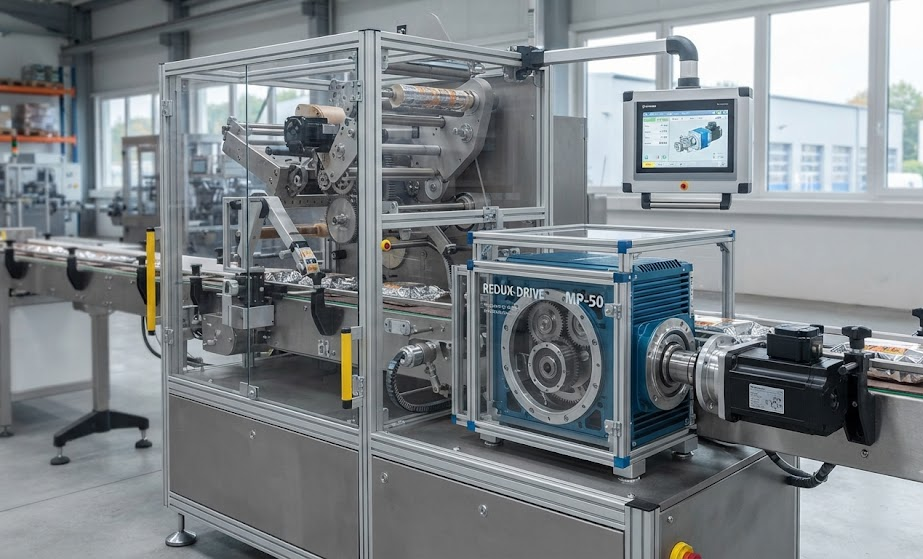
The increasing demand for efficiency and robustness in industrial operations has spotlighted the role of modern reducers. These components have evolved significantly, offering solutions that enhance equipment reliability in a world leaning towards automation and intelligent manufacturing. With the integration of new technologies and materials, reducers are becoming more than just mechanical parts; they are pivotal for seamless operations.
Enhancing Equipment Reliability Through Advanced Reducers
Modern reducers significantly contribute to equipment reliability, critical in today’s fast-paced industrial applications. These devices manage torque and speed, optimizing machinery performance while ensuring stability. By accurately modifying power transmission, reducers minimize wear and tear on components, thus extending machinery lifespan.
Understanding Modern Reducer Design
The design of modern reducers has undergone substantial advancements. Engineers have focused on creating structures that offer:
- Efficient Power Transmission: A scientifically devised internal configuration allows for a smooth reduction in rotational speed while elevating output torque.
- Durability: High-quality materials combined with precision machining provide enhanced strength, providing reliable operation even under strenuous conditions.
- Compactness: Today’s reducers are designed for easy integration within various machinery, thereby supporting space optimization.
Automation and Precision Control
As industrial automation rises, the need for precise control in machinery is paramount. Modern reducers ensure that automated systems operate without inconsistency by offering:
- Minimized Operating Errors: Reliable performance leads to fewer mistakes during automated operations.
- Smooth Movements: By optimizing power output, reducers help achieve fluid motion, which is critical in manufacturing.
- Improved Energy Efficiency: Efficient power management contributes to reduced energy costs.
Long-term Durability and Maintenance Advantages
With equipment running continuously, maintaining durability has become essential. The lifespan of reducers directly affects machinery reliability. High-performance reducers employ innovative materials and designs that enhance their durability while minimizing maintenance intervention.
Extreme Operating Conditions
Industrial environments can be demanding. High-performance reducers excel in these situations by providing:
- Shock Resistance: Well-optimized designs withstand high loads, ensuring continued effectiveness during extreme operational conditions.
- Stable Performance: High-quality materials are engineered to operate under fluctuations in temperature and pressure.
- Extended Lifespan: Consistent performance reduces the frequency of component replacements, leading to reduced operational costs.
Sustainability and Environmental Considerations
Modern reducers not only focus on performance but also on environmental impact. By improving energy efficiency and extending equipment life, they contribute to sustainable industrial practices. Innovative designs are now built with recyclable materials, responding to the growing demand for eco-friendly alternatives.
The Integral Role of Reducers in Diverse Applications
The versatility of modern reducers allows their use across various sectors, enhancing reliability in unique ways. From robotics to lifting devices, each application benefits from tailored reducer designs that meet specific operational needs.
Robotics and Automated Systems
In robotics, precise movement is essential. Implementing modern reducers ensures robotic arms operate with accuracy, directly impacting productivity. This precision significantly affects:
- Operational Efficiency: Ensures machinery runs smoothly with minimal downtime.
- Task Accuracy: Higher precision reduces the margin for error.
- Flexibility: Adaptable reducers allow for customization across varying robotic functions.
Renewable Energy Applications
The renewable sector increasingly relies on reducers, particularly in wind turbines and solar panels. These systems benefit from:
- Enhanced Output: By ensuring optimal positioning and functioning, reducers contribute to higher energy production.
- Stability Under Load: Modern designs ensure equipment withstands external forces without failure.
- Efficient Rotation Control: Improved reducer designs facilitate better angle adjustments, maximizing energy harnessing.
Looking Forward: The Future of Reducers
As technology continues to advance, the role of reducers will only grow more pronounced. Innovations in precision manufacturing and intelligent control systems are paving the way for next-generation reducers that promise higher efficiency and adaptability.
Embracing Smart Technologies
The integration of smart technologies aligns with the ongoing evolution of industrial equipment. Future reducers will likely feature:
- IoT Integration: Sensors to monitor performance in real-time, facilitating predictive maintenance.
- Adaptive Control Systems: Designs that automatically adjust to changing operational conditions.
- Enhanced User Interfaces: Simplified interaction for easier management of machinery operations.
Concluding Insights on Equipment Reliability
Understanding the advancements in reducer technology and their implications for equipment reliability is essential for stakeholders in industrial sectors. As we move toward more automated and efficient processes, the importance of high-performance reducers is clear. They are not just components but foundational elements that ensure the stability, efficiency, and longevity of modern machinery.