In an increasingly technology-driven world, modern touch-less elevator systems are revolutionizing the way we navigate buildings. These innovative solutions not only enhance hygiene by reducing contact but also provide seamless convenience for users. Join us as we explore the fascinating technology that makes these systems possible.
The Evolution of Elevator Technology
Over the past few decades, the world has witnessed a dramatic transformation in how we interact with everyday systems, one of which is the elevator. Traditionally, elevators required physical buttons for users to select their desired floors. However, the advent of modern touch-less elevator systems marks a significant shift in this paradigm. These systems not only enhance convenience but also address increasing demands for hygiene and accessibility.
Understanding Touch-less Elevator Systems
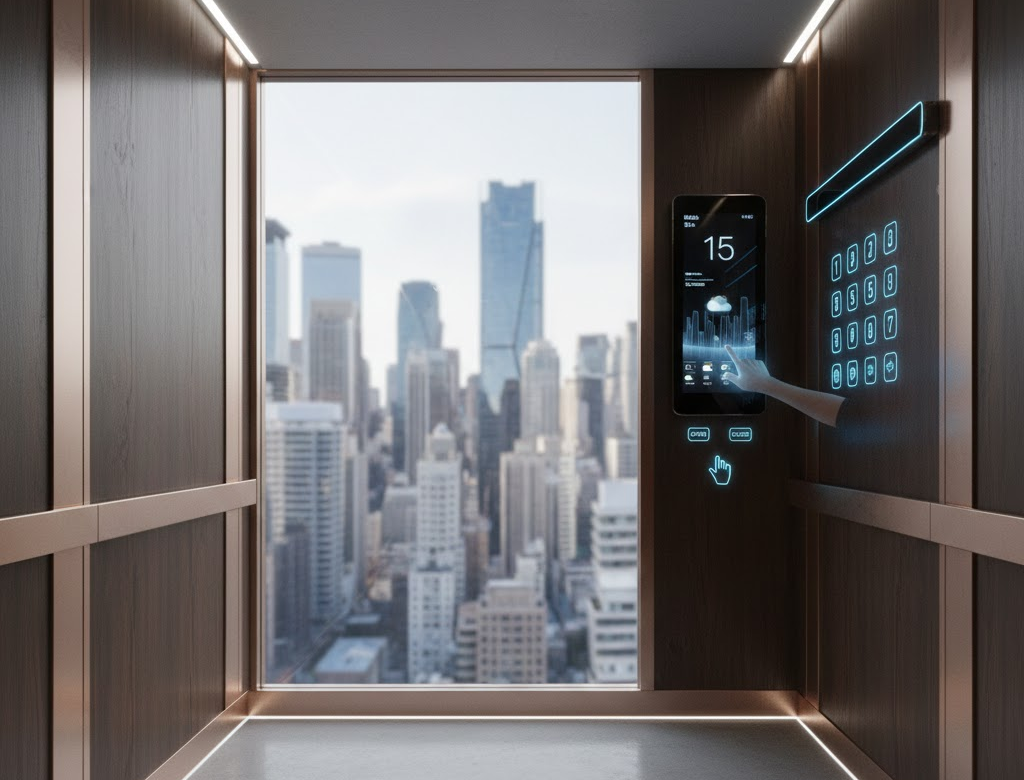
Touch-less elevators leverage cutting-edge technology to facilitate movement within buildings without the need for direct contact. These systems are equipped with sensors and software that interpret user commands via gestures or smart devices. This innovation is particularly relevant in environments where cleanliness is paramount, such as hospitals and corporate offices. By minimizing touch points, touch-less elevators help mitigate the spread of germs and viruses.
Key Technologies Driving Touch-less Elevators
The success of modern touch-less elevator systems relies on several key technologies. One such technology is infrared sensors. These sensors detect the presence and movement of individuals near the elevator panel, automatically responding to gestures. For instance, waving a hand can call the elevator to the desired floor, eliminating the need for buttons altogether.
Another pivotal component is mobile device integration. Many systems now offer the ability to summon an elevator via smartphone applications. Users can simply enter their floor number on their device, which communicates with the elevator system to facilitate a seamless boarding process. This caters not only to convenience but also enhances the user experience by reducing wait times.
The Benefits of Touch-less Elevator Systems
Enhanced Hygiene
In today’s health-conscious environment, maintaining hygiene is more critical than ever. Touch-less elevators significantly reduce physical contact, thereby minimizing the risk of cross-contamination. This aspect is particularly vital in crowded public spaces and healthcare facilities where the stakes are high. With a focus on cleanliness, building owners can assure users that their safety is a priority.
Increased Accessibility
Touch-less elevator systems also play a crucial role in improving accessibility for individuals with disabilities. Gesture-based controls and mobile app integration provide more intuitive ways for users with limited mobility to navigate building systems. This technology removes the barriers often associated with traditional elevators, ensuring that everyone has equitable access to vertical transportation.
Improved User Experience
Modern touch-less elevators enhance the overall user experience by providing a more streamlined and efficient means of travel. The integration of smart technology reduces wait times and improves the logic behind how elevators operate, often factoring in the movement patterns of building occupants. This leads to quicker access to the desired floors, contributing to a more responsive building infrastructure.
Challenges and Considerations in Implementation
Cost of Technology
While the benefits of touch-less elevator systems are numerous, the initial investment can be substantial. Upgrading existing elevators to accommodate new technology often entails significant financial resources. As property owners weigh the options, they must consider the long-term savings and benefits against upfront costs. Balancing these factors is vital for effective decision-making.
Maintenance and Reliability
The implementation of advanced technology requires a commitment to ongoing maintenance. Touch-less systems, powered by sophisticated sensors and software, necessitate regular inspections and updates to function optimally. Ensuring reliable performance is crucial to maintain user trust and satisfaction. Building managers must develop maintenance schedules that prioritize the upkeep of these systems.
User Adaptation
As with any new technology, user adaptation poses a challenge. While many individuals may embrace touch-less operations, others might find the transition daunting. Educational initiatives can help users understand how to interact with these systems effectively, ensuring that everyone can take full advantage of the conveniences they offer.
The Future of Touch-less Elevators
Looking ahead, the future of touch-less elevator systems appears bright. Advancements in artificial intelligence and machine learning will likely further enhance the sophistication of these systems. We can anticipate elevators learning user preferences, optimizing travel routes based on real-time building traffic, and integrating even more seamlessly with personal devices.
Modern touch-less elevator systems are transforming the way we navigate vertical spaces by enhancing convenience and hygiene. As technology continues to evolve, these advanced systems not only meet the needs of today’s users but also pave the way for a smarter, more efficient future. For the best implementation of these systems, consulting with an expert in elevator technology is highly recommended.