
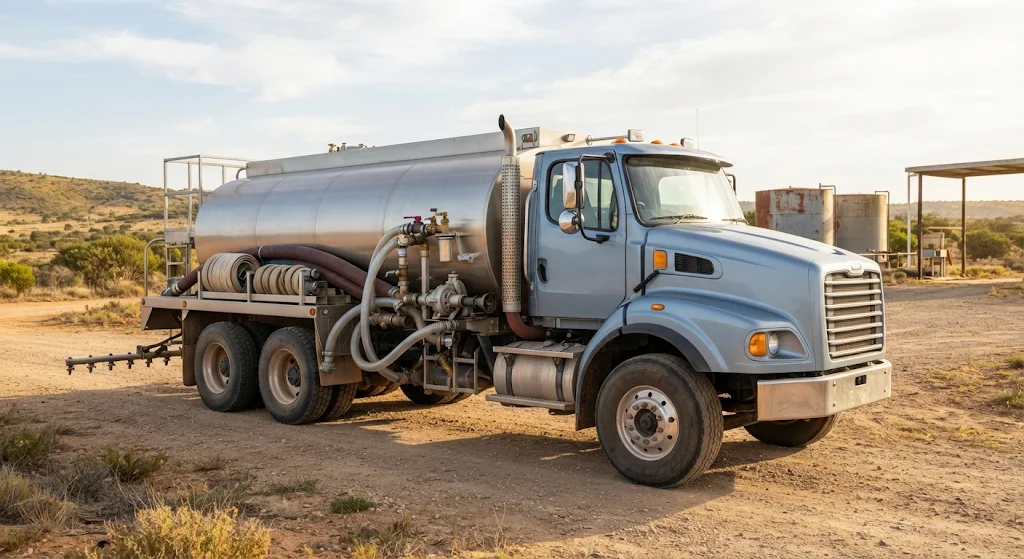
The process of loading and delivering bulk water involves a variety of specialized equipment designed to ensure efficiency, safety, and compliance with regulations. This article will explore the essential machinery and tools utilized in the bulk water supply industry, providing insights into their functions and importance.
Loading Equipment
Loading equipment is vital for transferring water from storage facilities or municipal sources into transport vehicles. This section covers the primary types of loading equipment used in bulk water operations.
Water Pumps
Water pumps are indispensable in the loading process, as they facilitate the rapid transfer of water. Various types of pumps are utilized based on the specific requirements of the project.
- Positive Displacement Pumps: These pumps move water by trapping a fixed amount and forcing it into the discharge pipe, ensuring a consistent flow rate.
- Centrifugal Pumps: Widely used for their efficiency, these pumps use rotational energy to move water, making them ideal for large volumes.
- Submersible Pumps: Designed to operate underwater, these pumps are effective for drawing water from deep sources, such as wells or reservoirs.
Hoses and Fittings
The transfer of water from the source to the transport vehicle requires robust hoses and fittings. These components must meet specific standards to ensure safety and prevent contamination.
- Food-Grade Hoses: These hoses are made from materials that comply with health regulations, ensuring the water remains safe for consumption.
- Camlock Fittings: Easy to connect and disconnect, camlock fittings provide a secure and leak-proof connection between hoses and pumps.
- Reinforced Hoses: Built to withstand high pressures, these hoses minimize the risk of bursting during operation.
Transport Vehicles
The choice of transport vehicles significantly impacts the efficiency of bulk water delivery. Different types of vehicles are used based on the volume and destination of the water.
Water Tank Trucks
Water tank trucks are the most common vehicles used for bulk water delivery. They are designed to carry large quantities of water and come in various sizes to accommodate different needs.
- Standard Trucks: Typically used for residential and small commercial deliveries, these trucks can carry several thousand gallons of water.
- Heavy-Duty Trucks: Ideal for industrial or agricultural needs, these vehicles can transport larger volumes, often exceeding 10,000 gallons.
- Specialized Trucks: Some trucks are equipped with additional features, such as heated tanks for winter operations or compartments for different water types.
Hydrovac Trucks
Hydrovac trucks, while primarily used for excavation, also play a role in bulk water transport. Their capabilities allow for efficient water delivery in construction settings.
- Vacuum System: These trucks use a powerful vacuum system to load water and soil, making them versatile for various projects.
- Water Supply Tank: Equipped with a water tank, hydrovac trucks can supply water for dust control or soil stabilization during excavation.
- High-Pressure Water Jets: They utilize high-pressure jets to break up soil, enabling easier loading and efficient water delivery.
Delivery Equipment
Once the water is loaded, the delivery process begins. The equipment used during this phase is as important as that used for loading.
Flow Meters
Flow meters are critical for monitoring the volume of water being delivered. They ensure accurate billing and help maintain compliance with regulations.
- Electromagnetic Flow Meters: These meters work by measuring the voltage generated when water flows through a magnetic field, providing highly accurate readings.
- Mechanical Flow Meters: These are more traditional and utilize moving parts to measure water flow, suitable for smaller operations.
- Ultrasonic Flow Meters: Using sound waves, these meters measure flow rates without any moving parts, minimizing maintenance needs.
Delivery Hoses and Nozzles
Effective delivery requires high-quality hoses and nozzles to ensure that water reaches its destination without spillage or contamination.
- Heavy-Duty Delivery Hoses: Designed for transporting large volumes, these hoses are reinforced to withstand pressure and external elements.
- Adjustable Nozzles: These allow for precise control over the flow rate and direction of water, making it easier to fill pools or tanks accurately.
- Quick-Connect Couplings: These fittings enable fast and secure connections between hoses and delivery systems, enhancing operational efficiency.
Importance of Compliance and Safety
In the bulk water supply industry, compliance with safety regulations is paramount. This final section addresses how equipment choices impact safety and regulatory adherence.
Regulatory Standards
All equipment used must adhere to local and federal regulations to ensure safety and water quality. This includes proper maintenance and certification of vehicles and tools.
- Health and Safety Regulations: Equipment must meet specific health standards to prevent contamination and ensure safe drinking water.
- Environmental Regulations: Delivery operations should minimize environmental impact, requiring equipment that complies with local environmental laws.
- Operator Training: Proper training for operators ensures safe handling of equipment, reducing the risk of accidents and ensuring compliance.
Maintenance Practices
Regular maintenance of equipment is essential to ensure reliability and safety. This includes inspections, cleaning, and timely repairs.
- Routine Inspections: Frequent checks help identify potential issues before they become major problems, ensuring the equipment is safe for use.
- Cleaning Protocols: Regular cleaning of hoses and tanks prevents contamination, maintaining water quality throughout the delivery process.
- Documentation of Maintenance: Keeping records of maintenance activities ensures compliance with regulatory standards and aids in tracking equipment performance.
In conclusion, the equipment used for loading and delivering bulk water is varied and specialized, playing a vital role in ensuring efficiency and safety in operations. By understanding the different types of equipment available and their functions, businesses can optimize their water delivery processes. For the best results, consider consulting with professionals who specialize in bulk water supply.