
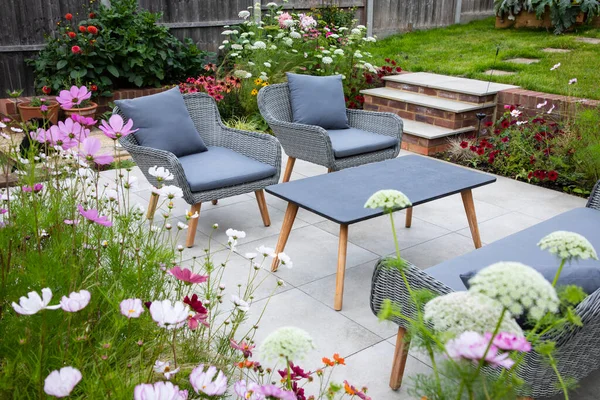
Choosing the right material for outdoor tiling is essential for both aesthetics and functionality. Among the most popular options are porcelain and natural stone, each boasting unique characteristics that cater to different needs. Understanding the pros and cons of both materials will help you make a well-informed decision for your outdoor space.
Assessing the Aesthetic Appeal of Porcelain and Natural Stone
When it comes to outdoor tiling, aesthetic appeal plays a significant role in the final decision. Both porcelain and natural stone offer distinctive looks that can enhance the overall ambiance of outdoor areas.
Exploring Natural Stone for Authenticity
Natural stone brings with it an organic charm that few materials can match. Each piece carries unique markings and colorations, shaped by natural geological processes over millions of years. Travertine, limestone, and granite are popular choices for outdoor paving. This diversity allows homeowners to achieve a characteristic look that complements various architectural styles.
Understanding Porcelain’s Versatility
On the other hand, porcelain tiles are engineered to replicate the aesthetic of natural stone with impressive fidelity. Recent advances in printing technology allow for a vast range of designs and sizes. Homeowners can select specific finishes that mirror the look of marble or other stones, achieving a consistent appearance that is highly adaptable.
Evaluating Durability and Performance Under Outdoor Conditions
Durability is a pivotal factor in determining the best material for outdoor tiling. Both porcelain and natural stone deliver impressive performance, but they behave differently when faced with outdoor elements.
Natural Stone Durability Considerations
Natural stone can be incredibly durable, particularly varieties like granite and bluestone. However, softer stones like limestone and travertine may show wear over time, especially in high-impact areas. Homeowners appreciate the evolving character of stone, as it develops a patina that adds to its charm. It is essential to consider the local climate when selecting the type of stone, as certain materials perform better in specific conditions.
Porcelain’s Robust Characteristics
Porcelain tiles typically excel in moisture resistance and are less prone to chipping and cracking than many natural stones. The non-porous nature of porcelain allows it to resist staining and absorption of liquids, making it a practical option for regions with heavy rainfall or humidity. Its engineered structure means that it will not fade over time, maintaining its vibrant colors even under direct sunlight.
Maintenance Requirements: Which Material Takes Less Care?
Maintenance demands can significantly impact the long-term enjoyment of outdoor spaces. An understanding of how each material requires care is crucial for homeowners.
Natural Stone Maintenance Essentials
Although natural stone offers a stunning appearance, it typically requires more upkeep. Most varieties benefit from periodic sealing to prevent moisture absorption and staining. Additionally, a gentle cleaning regime using pH-neutral products is recommended to maintain the surface integrity. Homeowners who appreciate the natural aging process often find the extra effort worthwhile as it enhances the overall aesthetic.
Benefits of Low-Maintenance Porcelain
In contrast, porcelain tiles are celebrated for their minimal maintenance requirements. Regular cleaning with soap and water is usually sufficient to keep them looking their best. This makes porcelain an ideal choice for busy outdoor areas or homes with high foot traffic, as it eliminates the stress of frequent upkeep.
Installation Processes: The Challenges and Nuances
The installation process can be a deciding factor, especially when considering the overall project budget. Both porcelain and natural stone tiles come with specific installation challenges that require attention and skill.
Natural Stone Installation Nuances
Natural stone often requires particular care during installation, as the color and veining can vary significantly from one piece to another. Skilled installation is essential for achieving a cohesive look in large areas. Furthermore, the weight of natural stone necessitates a meticulously prepared substrate to ensure stability and longevity.
Streamlined Porcelain Installation
Porcelain tiling offers greater ease of installation in many scenarios. Its lighter weight compared to natural stone reduces the complexity of handling and can lead to lower labor costs. Additionally, the uniform sizes of porcelain tiles help streamline the installation process, allowing for a more consistent and faster outcome.
Cost Considerations for Porcelain and Natural Stone Tiles
Cost factors often guide homeowners toward their final decision on outdoor tiling. While initial price points are important, the long-term value and life expectancy of the material should also be taken into consideration.
Understanding Natural Stone Pricing
Natural stone varies widely in price depending on the type and source. Premium stones like marble and granite typically cost more upfront. However, their longevity can justify the investment, particularly in architectural applications where character holds significant value.
Evaluating Porcelain Tile Costs
Porcelain tends to be more budget-friendly in terms of initial investment, which appeals to many homeowners. It also offers predictable long-term costs due to its enduring nature and low maintenance. This can lead to a lower overall lifecycle expense, making porcelain a strong contender for value-focused projects.
In sum, both porcelain and natural stone offer distinct advantages and drawbacks regarding outdoor tiling. The choice ultimately hinges on individual preferences, desired aesthetics, maintenance willingness, and budget considerations. Exploring your options and consulting with a professional can facilitate finding the perfect fit for your outdoor space.