
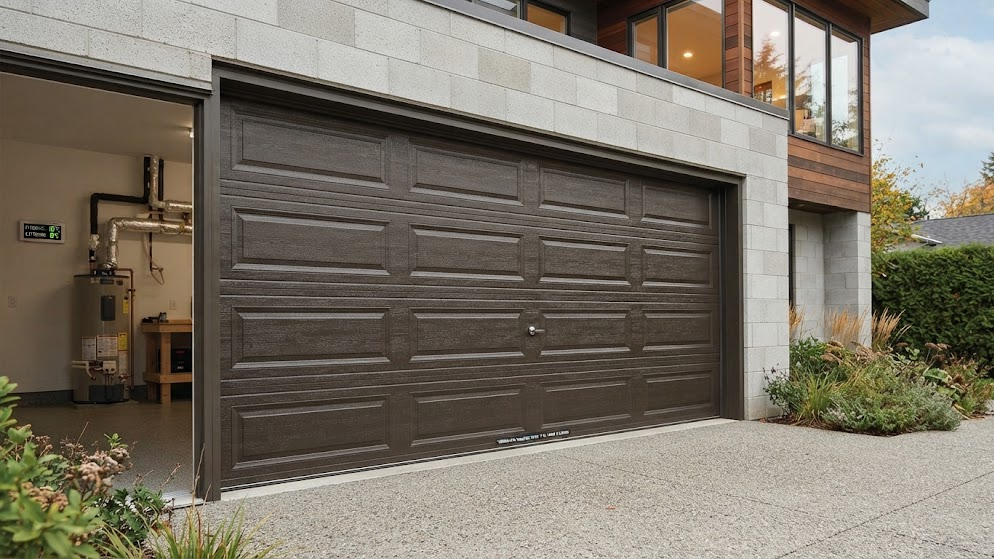
Choosing the right garage door can significantly impact your home’s energy efficiency, comfort, and even security. Many homeowners overlook the critical differences between insulated and non-insulated garage doors, simply viewing them as mere functional elements. Understanding these distinctions will empower you to make a more informed decision that meets your specific needs and preferences.
Assessing Energy Efficiency in Garage Doors
Energy efficiency plays a vital role in the long-term cost and comfort of your home. Insulated garage doors are designed with a core that contains materials like polyurethane or polystyrene, which acts as an effective barrier against temperature fluctuations. This design helps keep your garage warmer in winter and cooler in summer, drastically affecting your heating and cooling bills.
Insulated Garage Doors: Benefits of Temperature Control
Insulated doors excel at temperature control, making them ideal for climates with significant seasonal variations. With a higher R-value, they reduce energy transfer and thus minimize heat loss during winter and heat gain in summer. This leads to substantial energy savings for homeowners over time.
Moreover, maintaining a consistent garage temperature is beneficial if you store temperature-sensitive items. By preventing extreme cold or heat, you can ensure that your belongings, including tools and vehicles, are safeguarded against potential damage.
Non-Insulated Garage Doors: Cost-Effectiveness
On the other hand, non-insulated garage doors are generally lighter and more affordable upfront, making them an attractive option for budget-conscious homeowners. However, in regions with extreme temperatures, they may let in cold air or heat, ultimately leading to higher energy expenses.
These doors work well in milder climates or if the garage is used mainly for parking vehicles. Their simplicity can significantly reduce initial costs and maintenance efforts, appealing to those who prioritize budget over long-term savings.
Exploring Durability and Maintenance Considerations
Another essential factor in selecting a garage door type is durability and the associated maintenance requirements. Insulated garage doors typically have a more robust construction, offering greater resistance to damage from impacts, weather, and wear and tear over time.
Insulated Garage Doors: Enhanced Longevity
The multi-layer design of insulated doors not only enhances thermal performance but also adds structural integrity. This can lead to a longer lifespan compared to their non-insulated counterparts. In addition, their sturdiness protects against dents and damage, making them an excellent long-term investment.
While they may require specific maintenance due to their complexity, the overall durability of insulated doors can mean fewer repairs over the years, translating to lower costs and hassle.
Challenges of Non-Insulated Garage Doors
In contrast, non-insulated doors, while easier and cheaper to install, may not offer the same level of durability. Their single-layer construction makes them more susceptible to dings and dents, requiring more frequent repairs and upkeep. If you live in an area prone to severe weather, these doors may not provide the reliable protection you need.
The maintenance for non-insulated doors is generally simpler, but their lack of durability can be a trade-off that many homeowners may regret in the long run.
Evaluating Noise Reduction and Comfort Factors
Noise levels can significantly affect the comfort of your home environment. Insulated doors offer substantial benefits in this area by utilizing sound-dampening materials that minimize noise from both inside and outside.
Insulated Garage Doors: Peaceful Environment
For homeowners who value tranquility, particularly if the garage is used for hobbies or as a workspace, insulated doors provide a quieter environment. By reducing sound transmission, they allow families to enjoy a more peaceful atmosphere, facilitating a range of activities without outside disturbances.
This is especially beneficial for those living near busy roads, schools, or other noise sources. The soundproofing quality of insulated doors can make them a worthwhile investment for enhancing the comfort of your home.
Non-Insulated Garage Doors: Limited Noise Control
Conversely, non-insulated garage doors offer minimal soundproofing, which can be a drawback for families in noise-heavy neighborhoods. The lack of insulation means you’ll not only hear outside noises but also any mechanical sounds from within the garage. For those who prefer a quiet environment, this could significantly diminish comfort levels.
Ultimately, the choice between insulated and non-insulated garage doors directly impacts the quality of your living space, so it’s important to weigh these factors carefully.
Making the Right Decision for Your Home
The decision between insulated and non-insulated garage doors largely depends on your lifestyle, climate, and budget considerations. If you live in an area with extreme temperatures, an insulated door may be a wiser choice, offering better energy efficiency and durability. However, if you have a limited budget or primarily use your garage for parking, a non-insulated door could suffice.
Consider your garage usage as well; if it serves as a workshop or storage area, the comfort provided by insulation might be essential. For those who prioritize ease of use and cost, non-insulated doors are often easier to install and maintain.
Before making a decision, it’s crucial to evaluate long-term benefits against initial costs. Additionally, consulting with professionals can provide tailored advice that fits your specific requirements and family dynamics.