
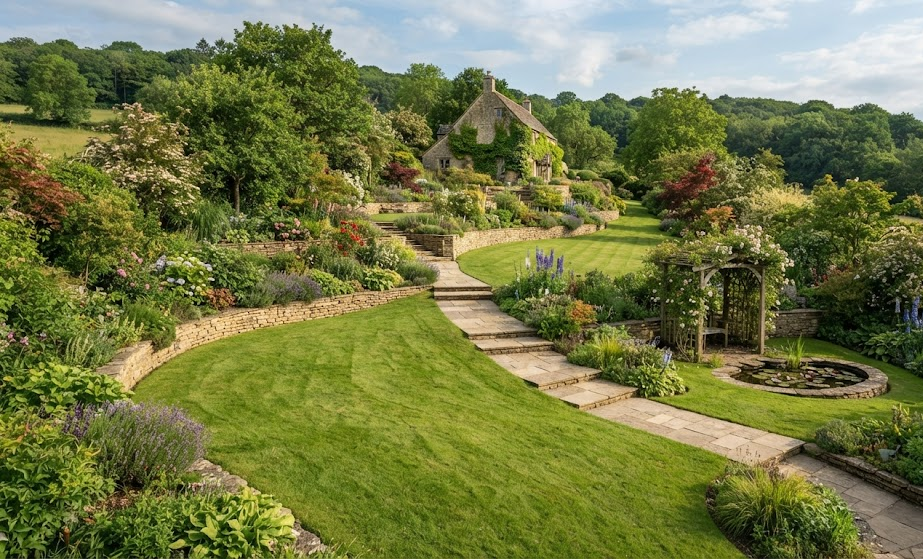
Navigating a sloped landscape can be a complex challenge for homeowners, especially when it comes to establishing a thriving and sustainable turf. The dynamic interplay of soil erosion, drainage issues, and aesthetic appeal makes it imperative to select the right solutions. With the rise of eco-friendly methods, discover how to transform your sloped yard into a vibrant and functional green space.
Exploring Natural Turf Solutions for Sloped Landscapes
Choosing the right turf solutions is essential for cultivating a successful landscape on sloped terrains. Implementing the right techniques not only addresses erosion concerns but also enhances the aesthetics of your property.
Embracing Terraced Levels for Effective Turf Management
One innovative approach to managing sloped landscapes is through terracing. This method divides a slope into flat areas, effectively controlling runoff and erosion while providing usable garden spaces.
- Allows for structured planting areas, which can be filled with vibrant flowers or hardy plants.
- Minimizes soil erosion while enabling easy maintenance and accessibility.
- Creates visually appealing layers that enhance the overall landscape.
Implementing French Drains
French drains are a traditional yet effective solution for managing excess water on slopes. By redirecting water away from problem areas, these systems reduce erosion and promote healthy turf growth.
To install a French drain, dig a trench packed with gravel and place a perforated pipe at the bottom. This configuration collects water and channels it safely away from your landscape.
Incorporating Natural Features for Erosion Control
Utilizing natural features can play a significant role in both aesthetics and functionality. By focusing on eco-friendly solutions, homeowners not only enhance their landscape but also contribute to environmental sustainability.
Creating Dry Creeks for Visual Appeal and Water Management
A dry creek bed mimics a natural stream while effectively managing excess water. This feature can be lined with native stones and plants, creating a beautiful yet functional aspect of your landscape.
Establishing Rain Gardens
Rain gardens are strategically placed in low areas to absorb runoff. By incorporating moisture-loving plants, these gardens enhance water control and serve as an attractive landscape feature.
Choosing Plant Varieties for Stability and Aesthetics
The right vegetation can serve as a natural barrier against erosion while adding beauty to your sloped landscape. Selecting appropriate plants is key to sustaining both soil health and structural integrity.
Utilizing Ground Covers
Ground covers play a vital role in stabilizing soil on slopes. Plants such as clover or creeping thyme have deep root systems, which hold the soil in place and allow for natural drainage.
Incorporating Native Shrubs and Trees
Native plants are not only environmentally friendly but also provide resilience and stability across various conditions. Their natural adaptability allows them to thrive in less-than-ideal soil conditions often found in sloped landscapes.
Leveraging Hardscaping Elements for Durability
In addition to plants, incorporating hardscaping elements can significantly enhance a sloped landscape. These features provide a robust foundation and contribute to both erosion control and aesthetic appeal.
Building Retaining Walls
Retaining walls are an effective method of preventing soil movement while creating distinct planting areas. They can be constructed from various materials, offering both functionality and visual interest.
Creating Channel Drains
Especially useful in paved areas, channel drains collect and redirect water runoff, minimizing erosion while protecting the turf and landscape below.
- Maintain a clean and organized space in your yard.
- Enhance drainage capabilities without sacrificing terrain.
- Serve as an integral part of an integrated landscape design.
Final Considerations for Sustainable Sloped Landscapes
Successfully maintaining a sloped landscape requires a well-rounded approach that integrates turf management, plant selection, and hardscaping. By embracing a combination of natural and constructed elements, your sloped yard can flourish into a vibrant focal point of your property.
As we focus on sustainable solutions, it’s essential to remember that every slope poses its unique challenges. However, with the support of experienced professionals, creativity and knowledge can transform even the most daunting landscape into a stunning and functional space.