
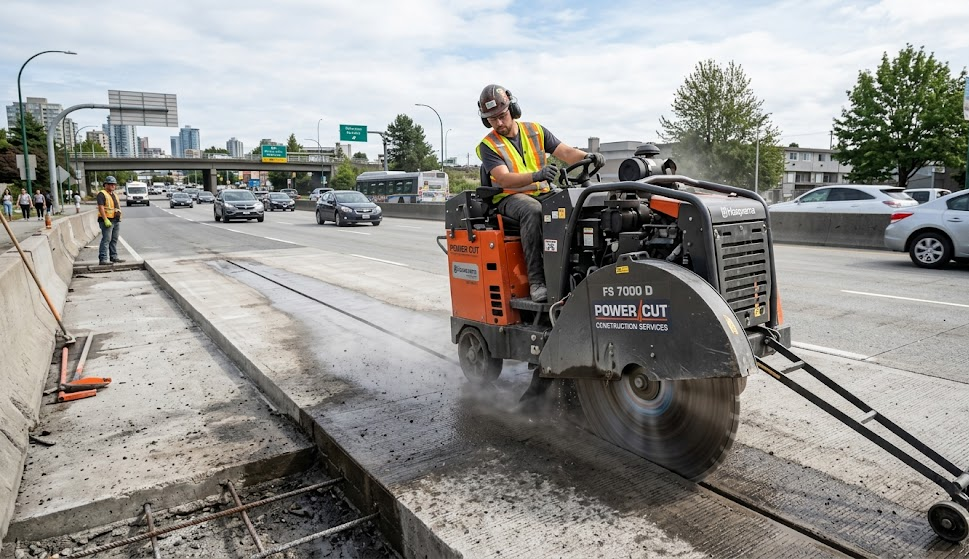
In the realm of construction, achieving precision in road sawing is paramount. With the evolution of modern techniques, operators now have access to advanced methods that enhance accuracy and efficiency. This article explores innovative road sawing techniques designed to ensure exceptional results in your construction projects.
Understanding Modern Road Sawing Techniques
Modern road sawing techniques have transformed the way construction projects are executed. These methods enable contractors to perform cuts with unmatched precision, making them indispensable in today’s construction landscape. Understanding these techniques is crucial to maximize their benefits.
Exploring Flat Sawing Techniques
Flat sawing, one of the most commonly used techniques, involves cutting through horizontal surfaces like pavements and slabs. This method is popular due to its efficiency and effectiveness in achieving accurate cuts.
Using advanced equipment that features diamond blades, operators can easily maneuver the saw across the surface. This technique allows for cuts of varying depths, suitable for a range of applications, from utility installations to pavement repairs. Key benefits include:
- Precision in straight cuts.
- Ability to cut through hard materials.
- Minimized vibration and disruption to surrounding areas.
Implementing Hand Sawing for Accessible Areas
Another essential technique is hand sawing, which provides flexibility in confined spaces or areas inaccessible to larger machinery. This method allows operators to make detailed adjustments to their cuts, which is crucial for finesse.
Hand saws come equipped with diamond blades, ideal for achieving clean edges in concrete and asphalt. When using hand saws, operators should prioritize safety and follow essential guidelines:
- Wear proper protective equipment (PPE).
- Ensure a stable stance while cutting.
- Maintain the blade’s alignment for better accuracy.
Utilizing Wall Sawing Techniques for Vertical Applications
Wall sawing techniques cater specifically to vertical surfaces, enabling precise cuts in walls and ceilings. This is essential for creating openings for windows, doors, or ducts.
The technology behind wall sawing features a diamond blade that cuts through thick concrete, delivering clean, straight lines. Furthermore, wall saws can adjust to various angles and heights, enhancing their adaptability in complex projects. The advantages of wall sawing include:
- High degree of accuracy.
- Capability to handle substantial thicknesses.
- Reduced dust and debris during operation.
Employing Wire Sawing for Large Structures
For large structures, wire sawing presents a modern approach to cutting. This technique employs a continuous loop of diamond wire, allowing for intricate cuts in any direction. It is particularly advantageous in scenarios where precision is paramount.
Wire sawing can efficiently cut through congested and oversized components, facilitating the disassembly of structures with minimal impact. The method also boasts several benefits:
- Highly flexible in cutting angles.
- Creates less debris compared to traditional methods.
- Optimal for large-scale projects requiring controlled cuts.
Mastering the Art of Precision with Road Saws
Achieving accuracy in road sawing relies heavily on the operator’s skills and the quality of equipment used. Incorporating modern techniques can significantly enhance outcomes. To ensure precise cuts every time, consider these critical steps:
- Establish a guideline using a string line for visual accuracy.
- Align the saw’s blade with the guideline before starting.
- Utilize water for cooling the blade and reducing dust.
- Select the appropriate blade for the materials being cut.
- Start with shallow cuts to guide deeper cuts effectively.
Investing in Quality Equipment for Enhanced Results
The significance of using high-quality equipment in road sawing cannot be overstated. Investing in top-tier machinery not only increases the overall efficiency of operations but also ensures longevity and performance. Reliable brands offer innovative features designed to improve accuracy and safety:
- Lightweight designs for easy maneuverability.
- Advanced cooling systems to prevent blade warping.
- Durable components for long-lasting performance.
Continuous Training for Operators
As techniques evolve, ongoing training for operators is vital to maintain high standards and adapt to new technologies. Regular workshops focusing on modern road sawing techniques equip operators with the skills needed for precision cutting.
Investing in training helps to:
- Reduce operational errors.
- Enhance safety protocols.
- Maximize the efficiency of equipment usage.
Conclusion
Precision in road sawing techniques is increasingly important in today’s construction landscape. The integration of modern methods ensures enhanced accuracy and efficiency, paving the way for successful projects. By embracing these techniques, operators can achieve remarkable results, fostering safer infrastructure.