
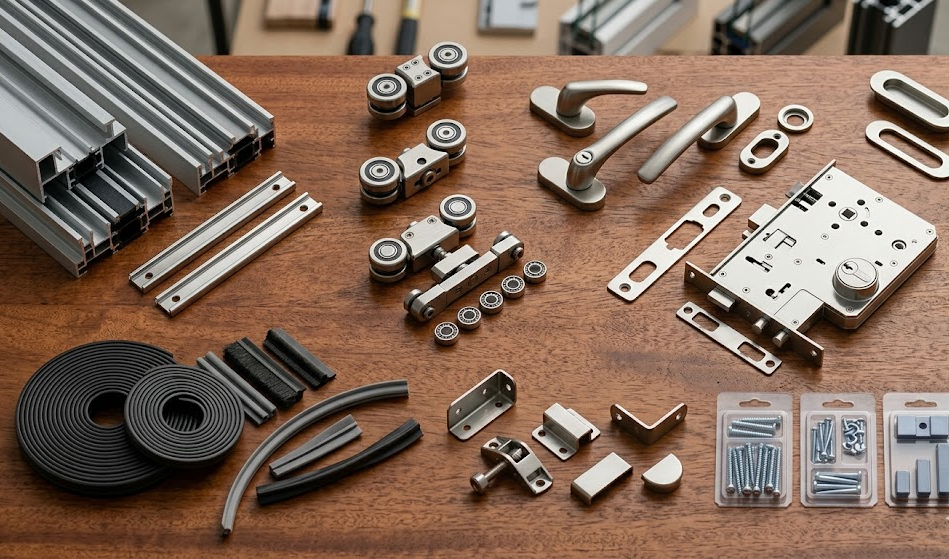
Sliding windows offer a functional and aesthetic appeal to any home. Understanding the essential sliding window parts can significantly enhance their performance and ensure smooth operation. This article explores the various components that facilitate daily use and maintenance, simplifying window repair and enhancing durability.
Why Sliding Windows Are So Popular
Sliding windows offer many advantages for everyday living. They provide excellent ventilation, allow natural light to enter the room, and are simple to open and close. Because they do not require extra space to swing outward or inward, they are perfect for patios, kitchens, bedrooms, and apartments.
Their user-friendly design also makes them suitable for children, seniors, and people with limited mobility. The secret behind this convenience lies in the quality and condition of the window parts.
The Main Parts of a Sliding Window
Every sliding window includes several essential components. Each part has a specific role in ensuring smooth movement, insulation, and security.
1. The Frame
The window frame is the outer structure that supports the entire window system. It is usually made from materials such as:
- Aluminum
- Vinyl
- Wood
- Fiberglass
A strong frame keeps the window stable and protects it from weather damage. Modern frames are designed to improve insulation and reduce energy loss.
2. The Sliding Sash
The sash is the movable part of the window that slides horizontally. Some sliding windows have one movable sash, while others have two. High-quality sashes glide smoothly and create a tight seal when closed.
Many homeowners choose sliding windows because the sash mechanism is easy to use every day without requiring much force.
3. Rollers
The rollers are small wheels installed at the bottom of the sash. They allow the window to move effortlessly along the track. Over time, dirt, dust, or wear can affect the rollers and make the window difficult to slide.
Signs that rollers may need attention include:
- Squeaking noises
- Stiff movement
- Uneven sliding
- Difficulty closing the window completely
Regular cleaning and occasional replacement can restore smooth performance.
4. The Track
The window track guides the sash during opening and closing. It is one of the most important parts for everyday functionality. A clean and well-maintained track helps prevent friction and damage.
To keep the track in good condition:
- Remove dust regularly
- Vacuum debris from corners
- Wipe the surface with a damp cloth
- Lubricate when necessary
Simple maintenance can significantly improve the lifespan of sliding windows.
5. Weather Stripping
Weather stripping helps seal gaps around the window to prevent air leaks and moisture infiltration. It improves indoor comfort by maintaining consistent temperatures throughout the year.
Benefits of effective weather stripping include:
- Better energy efficiency
- Reduced heating and cooling costs
- Improved sound insulation
- Protection against drafts
Damaged weather stripping should be replaced promptly to maintain optimal performance.
6. Window Locks
Safety is an essential aspect of any window system. Sliding windows typically include built-in locking mechanisms that secure the sash in place.
Modern locks are designed to provide:
- Increased home security
- Child safety
- Improved sealing
- Peace of mind
Some advanced systems also include additional security bars or reinforced locking points for extra protection.
7. Handles and Pulls
The window handle or pull allows users to open and close the sash comfortably. While this part may seem simple, ergonomic handles can make a big difference in daily use.
Stylish handle designs can also enhance the appearance of the window and complement the home’s interior décor.
How Quality Parts Improve Daily Comfort
The quality of sliding window components directly affects the user experience. Well-designed parts make windows quieter, smoother, and more energy efficient.
A properly functioning sliding window can help homeowners enjoy:
- Better airflow
- Easier cleaning
- More natural light
- Reduced outside noise
- Improved indoor temperatures
Investing in durable components often reduces long-term maintenance costs and increases the overall value of the property.
Common Problems With Sliding Window Parts
Even high-quality windows may develop issues after years of use. Understanding common problems can help homeowners identify repairs early.
Dirty or Damaged Tracks
Debris accumulation is one of the most frequent causes of poor sliding performance. Bent or worn tracks may also prevent smooth operation.
Worn Rollers
Old rollers can become flat or damaged, making the window harder to move.
Broken Locks
A faulty lock can reduce security and affect the window’s seal.
Air Leaks
Damaged weather stripping may allow drafts and moisture to enter the home.
Regular inspection can help detect these issues before they become serious.
Choosing High-Quality Replacement Parts
When replacing sliding window components, it is important to select compatible and durable products. Poor-quality parts may wear out quickly or fail to provide a proper fit.
Before purchasing replacement parts, homeowners should consider:
- Window brand and model
- Material compatibility
- Durability
- Ease of installation
- Energy efficiency features
Professional installation may also help ensure optimal performance.
Final Thoughts
Sliding windows are an excellent solution for modern living because they combine practicality, comfort, and style. Their smooth everyday operation depends on several essential parts, including the frame, rollers, track, sash, locks, and weather stripping.