Split level homes offer a unique blend of style and functionality, making them an appealing choice for many families. However, like any home design, they come with their own advantages and challenges. In this article, we will explore what it’s like to live in a split level home and how it can impact your daily life.
The Advantages of Split Level Homes
Maximized Space Utilization
One of the most notable advantages of living in a split level home is space optimization. Unlike traditional single-level homes, split levels utilize vertical space effectively. This design allows for multiple living areas without requiring a large footprint. Family members can spread out, enjoying both privacy and togetherness, a key aspect for growing families.
Distinct Living Areas
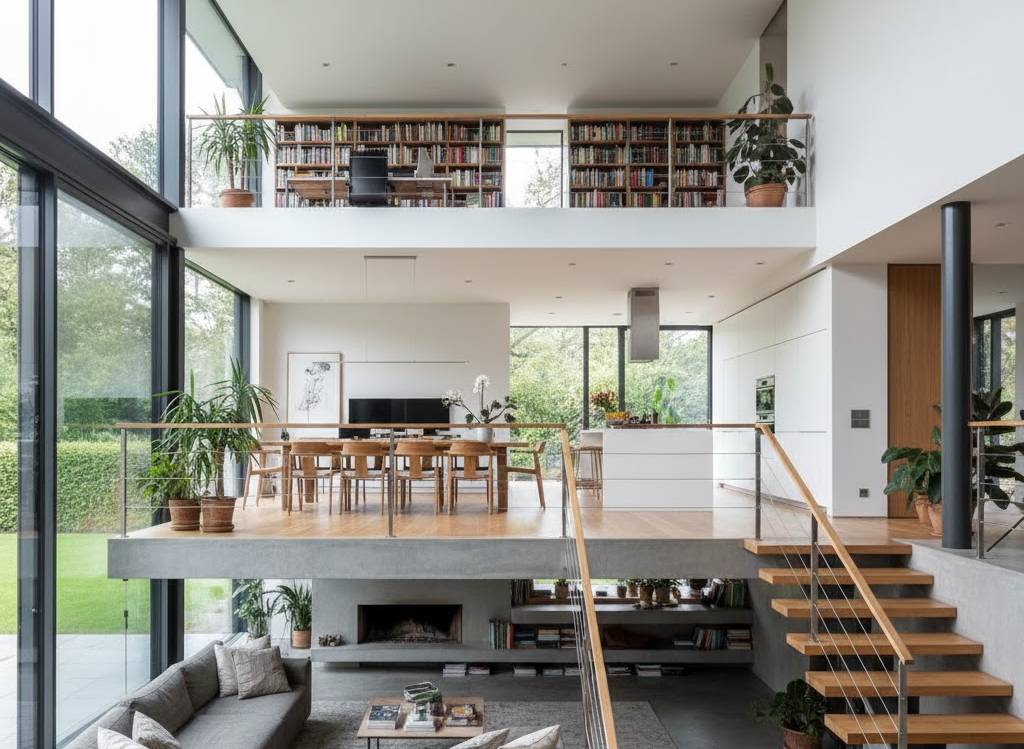
Split level homes typically feature well-defined spaces for different activities. For instance, the living room, dining area, and kitchen can exist on one level while bedrooms are situated on another. This zoning of spaces can promote peace and quiet in sleeping areas, making it ideal for families with varying schedules. Furthermore, these homes often come equipped with game rooms or entertainment spaces, enhancing the overall living experience.
Enhanced Aesthetics
The architectural appeal of split level homes cannot be overlooked. With their unique designs, these homes offer a charming and eclectic look that sets them apart from standard designs. Features such as large windows and multi-level decks create aesthetically pleasing environments that provide a sense of character and warmth.
Challenges of Living in Split Level Homes
Navigating Multiple Levels
Despite their distinct advantages, adjusting to the multi-level layout can pose a challenge for some residents. Families with very young children or elderly individuals may find the steps daunting. Safety concerns must be prioritized, especially when considering the mobility challenges that can arise as family members age.
Potential Privacy Issues
The open-plan designs prevalent in many split level homes can lead to potential privacy concerns. While family spaces are clearly delineated, noise can travel more easily between levels. For instance, sound from a lively gathering in the living room may disrupt someone trying to work or relax in an adjacent bedroom. Buyers should weigh their tolerance for sound and whether acoustic solutions would be necessary.
Maintenance Considerations
With their unique architecture, split level homes often require specific maintenance and care. The different levels can complicate cleaning routines, making it challenging to keep up with dust and debris. Also, any landscaping or external work may require more intricate planning due to the house’s layout. Ensuring that gutters and drainage systems are adequately managed in a split configuration is essential to prevent water-related issues.
Making the Decision
In essence, the decision to live in a split level home ultimately hinges on personal preferences and lifestyle needs. While these homes present alluring benefits like space efficiency and distinct zones for various activities, potential drawbacks such as navigating stairs and addressing maintenance needs are significant considerations.
With a bit of research and proper planning, the right split level home can offer a fulfilling living experience that balances family dynamics with practical living areas. For those intrigued by this unique living style, additional resources and home evaluations can provide valuable insights.
Living in split level homes offers a unique blend of character and functionality, making them appealing to many homeowners. However, it’s essential to weigh the benefits against the potential challenges to ensure your space truly meets your needs. For expert advice on optimizing your split level home, consider consulting a home design specialist.