
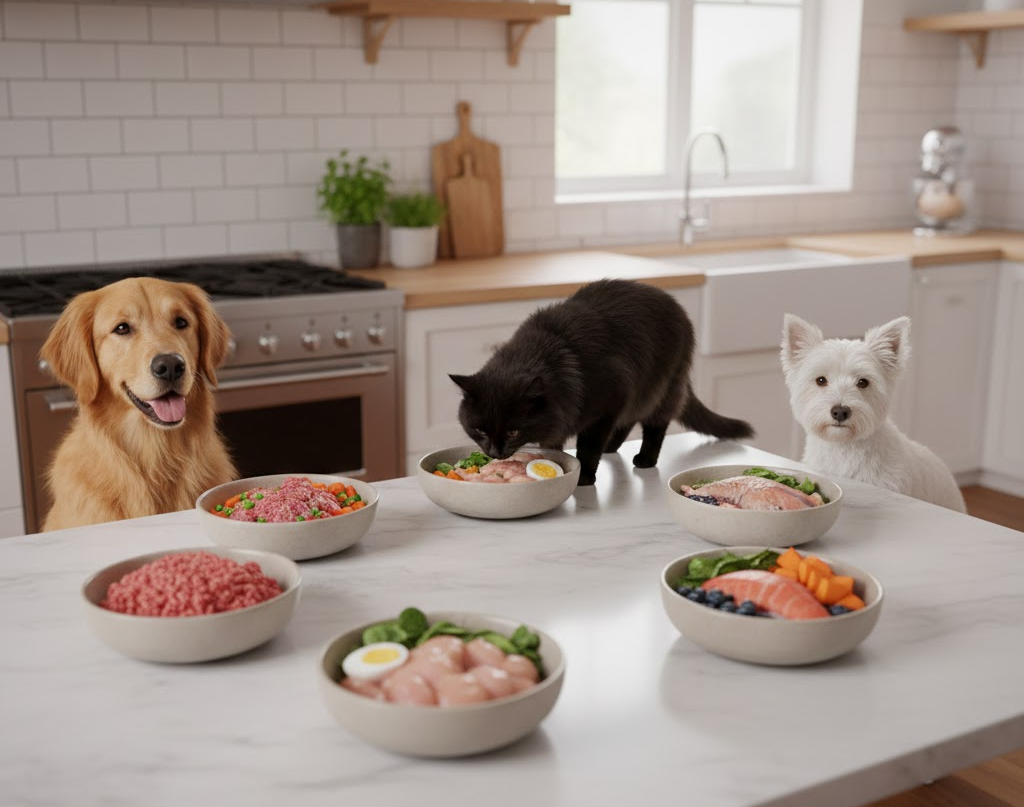
When it comes to choosing the best diet for our furry companions, the question often arises: Is raw pet food suitable for every animal? As pet owners increasingly turn to more natural options, understanding the implications and benefits of a raw diet is crucial for ensuring the health and happiness of our pets. In this article, we’ll explore the factors that influence whether raw food is the right choice for your beloved animal.
Understanding Raw Pet Food
Raw pet food typically consists of a variety of raw meats, bones, fruits, and vegetables, aiming to replicate the natural diet of animals. Proponents argue that this diet can enhance overall health, providing increased energy and better coat condition. However, the suitability of raw food depends on various factors, including the type of animal, its individual health requirements, and the owner’s ability to manage dietary needs effectively.
Types of Animals and Their Dietary Needs
Different species have different dietary requirements, and it is essential to tailor nutrition accordingly. For instance, dogs are generally more adaptable in their diets compared to cats, which are obligate carnivores requiring specific nutrients found primarily in animal tissues.
- Dogs: As omnivores, dogs can thrive on a mix of proteins, grains, and vegetables. A raw food diet can be beneficial for some dogs but must be carefully balanced to avoid nutritional deficiencies.
- Cats: Cats require a diet that is rich in protein and specific amino acids like taurine, which can be found in certain raw foods. However, introducing raw diets must be done cautiously due to their unique health needs.
- Small Animals: For pets like rabbits and guinea pigs, raw diets primarily consist of fresh vegetables and hay. However, their digestive systems are sensitive, necessitating a more cautious approach.
Benefits of Raw Pet Food
The rise in popularity of raw diets stems from various perceived benefits. Advocates assert that raw food can enhance dental health, promote healthier skin, and reduce allergy issues. Many pet owners also report that their pets enjoy the taste of raw diets, making mealtime more appealing.
Improvement in Health and Behavior
Supporters claim that raw food can lead to observable improvements in pets’ health and behavior. Some pets show increased energy levels and improved digestion, leading to better overall wellbeing. Moreover, as raw diets often avoid fillers and artificial ingredients, many pets may also experience improved coat texture and reduced shedding.
Challenges and Considerations
Despite the potential benefits, raw pet food isn’t without its challenges. It’s essential for pet owners to consider the risks associated with a raw diet, including the potential for bacterial contamination and the difficulty of achieving a well-balanced nutrition profile.
Nutritional Balance is Key
One major concern about raw diets is ensuring that pets receive a complete range of nutrients. Unbalanced diets can lead to health problems, such as skeletal deformities in growing animals or nutritional deficiencies in adults. Pet owners should consult with veterinarians or nutritionists to develop a balanced meal plan tailored to their pet’s unique needs.
Risk of Pathogens
Another significant risk associated with raw pet food is the potential for bacterial contamination. Raw meats can harbor pathogens such as Salmonella or E. coli, which pose risks not only for pets but also for humans handling the food. Proper hygiene practices must be observed, including thorough washing of hands and surfaces, to mitigate these risks.
Who Should Consider Raw Pet Food?
Deciding whether to transition a pet to a raw diet should involve careful consideration. Some pets may benefit greatly from this approach, particularly those with specific health challenges or allergies to commercial pet foods. However, others may not have the same benefits or may be better suited to traditional pet nutrition.
Before making a change, pet owners should reflect on their pets’ lifestyles, health status, and dietary preferences. It’s also advisable to research various raw feeding options and consult with a veterinarian to get personalized recommendations tailored to the specific pet.
Deciding if raw pet food is suitable for your animal involves considering their unique dietary needs and health conditions. Consultation with a veterinary nutritionist is essential to ensure you make an informed choice that promotes your pet’s well-being and longevity.