
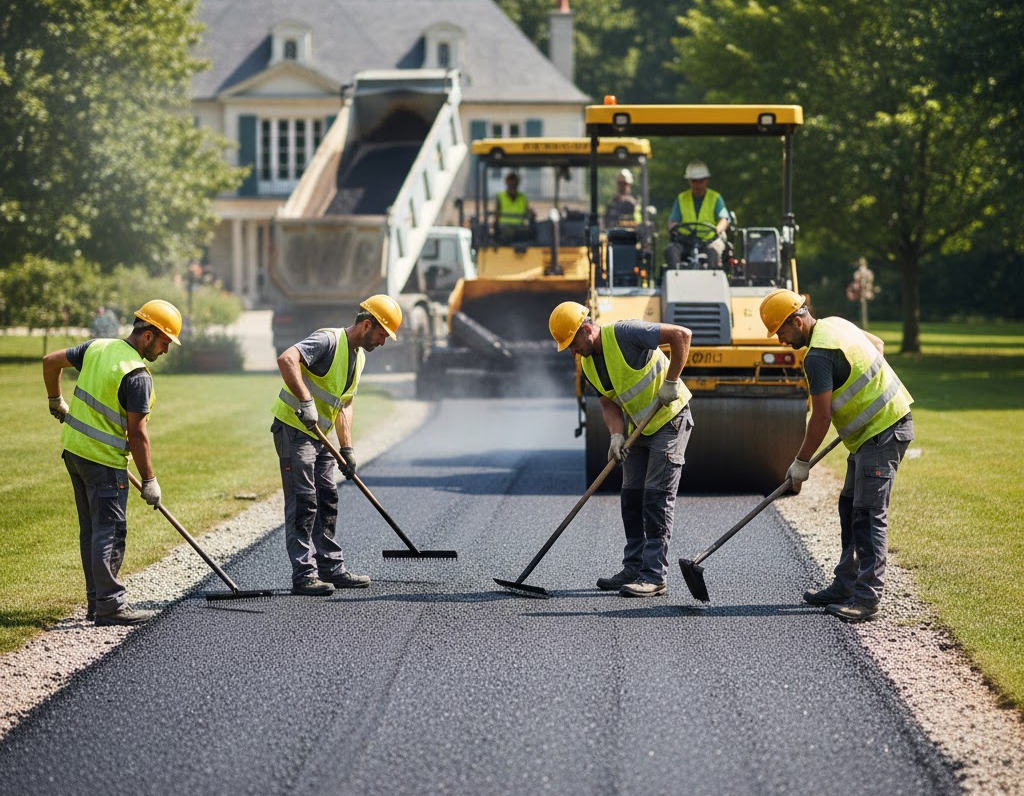
When it comes to paving projects, the key to success lies in the details. Whether you’re working on roads, parking lots, or driveways, understanding the best practices for achieving long-lasting results is essential. In this article, we will delve into the crucial aspects that ensure durability and quality in your paving endeavors.
Understanding the Importance of Proper Material Selection
The cornerstone of any successful paving project lies in selecting the right materials. Choosing the appropriate asphalt mix can significantly impact the performance and lifespan of your surface. Here are key factors to consider when assessing the right materials:
1. Assessing Traffic Volume
High-traffic areas naturally demand a more robust mix. It’s essential to consult with professionals to determine the necessary elasticity and compressive strength required based on projected traffic patterns. This tailored selection will enhance the longevity of your paving.
2. Climate Considerations
Each climate presents unique challenges for paving. Hot climates may necessitate a mix formulated to withstand extreme temperatures, while cold regions require materials that handle freeze-thaw cycles effectively. Understanding your local weather patterns is paramount.
3. Intended Surface Use
The intended use of the surface is another pivotal factor. Whether it’s for residential, commercial, or industrial applications, each scenario has specific requirements that should dictate the materials used. Specialized mixes, including those designed for heavy machinery or pedestrian traffic, can vastly improve the surface’s performance.
Site Preparation: The Foundation for Success
Before any asphalt can be laid, adequate site preparation is critical to ensure a solid foundation. Neglecting this phase can lead to compromising the durability and safety of the pavement.
1. Clearing and Grading
Start by clearing the area of all debris, vegetation, and old pavement materials. Following this, *grading* the site to achieve proper drainage is vital. If water pools on the surface, it can lead to cracking and deterioration over time.
2. Compaction
Don’t underestimate the importance of compacting the subgrade properly. This provides a stable base that will support the asphalt layer. Proper compaction minimizes potential settling and cracking, establishing a long-lasting ride.
Timing and Weather: The Secret Ingredients
Another crucial factor in paving projects is timing and suitable weather conditions. Asphalt should be installed during warmer seasons; temperatures between 50°F and 85°F are ideal for compacting and curing asphalt effectively. Attempting to pave during rain or extreme humidity can negatively affect the mixture and curing time.
Best Practices for High-Quality Paving
To ensure that your paving project achieves high-quality results, consider implementing the following best practices:
1. Optimal Compaction Techniques
Utilizing proper compaction techniques is vital. Employ a vibratory roller to achieve an even density throughout the asphalt layer. It’s often necessary to make multiple passes to attain the desired results. Skipping this step can result in a less durable surface.
2. Mind Your Thickness
The thickness of the asphalt layer is equally critical. Standard recommendations typically range from 2 to 4 inches, depending on usage. Thicker layers offer better resistance against wear, ensuring longer-lasting surfaces. Always adhere to local building codes to remain compliant.
Maintenance: Preserving Your Investment
The work doesn’t end once the asphalt is laid; regular maintenance is essential for prolonging its lifespan. Here are some strategies for effective maintenance:
1. Conducting Regular Inspections
Be vigilant about checking for cracks, potholes, and wear regularly. Early detection of these issues can prevent them from worsening and save on costly repairs later.
2. Sealcoating
Every 1-3 years, applying *sealcoating* can protect the asphalt from UV rays, chemical spills, and moisture damage. This preventative measure is key in keeping your surface looking new and functioning well.
3. Timely Repairs
Address any wear issues as soon as they arise. Neglect can lead to larger problems that are far more expensive to fix. Keeping up with repairs will not only extend the surface’s life but also save you from potential safety hazards.
By prioritizing proper site preparation, material selection, and maintenance, you can ensure that your surfaces stand the test of time. For expert assistance throughout your paving journey, don’t hesitate to consult a professional paving contractor.