
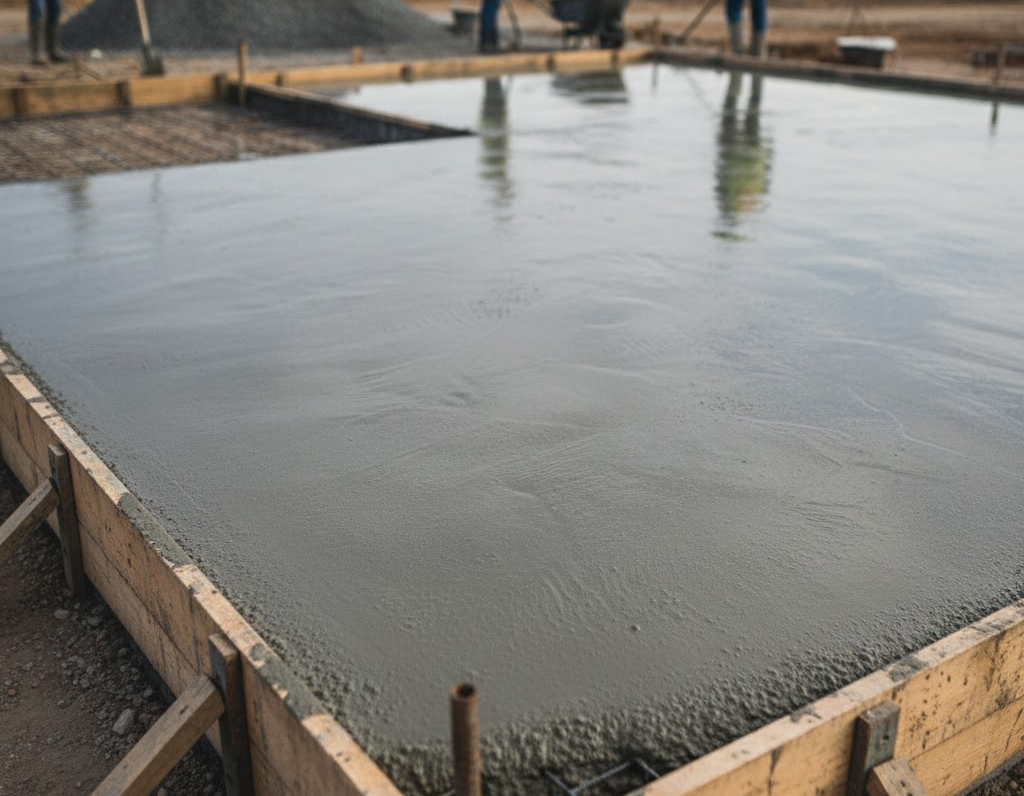
Concrete slabs are an essential component in modern construction, offering strength and durability for various applications. From residential driveways to commercial floors, understanding the best practices for installation ensures long-lasting results and optimal performance. Join us as we explore the common uses of concrete slabs and the expert tips for successful installation.
Understanding Concrete Slabs
A concrete slab is essentially a flat, horizontal structural element made by pouring a mixture of cement, water, and aggregates into a form. Once it cures, it provides an incredibly strong base for numerous applications. Their popularity stems from their cost-effectiveness, longevity, and ability to handle significant loads.
Common Uses of Concrete Slabs
Residential Applications
Within residential construction, concrete slabs often serve as the foundation for homes, garages, and patios. Ground-bearing slabs, which are directly placed on soil, are particularly prevalent since they take advantage of the existing soil strength. These slabs not only provide a robust support system but also a level surface for creating walkways and driveways.
Commercial and Industrial Implementations
In commercial spaces, concrete slabs are integral for floors in warehouses, factories, and retail establishments. Their ability to withstand heavy machinery and foot traffic makes them ideal for industrial applications. Post-tensioned and precast slabs are often utilized in these scenarios, providing the necessary strength and resilience against heavy loads.
Recreational Spaces
Concrete slabs are also gaining popularity in recreational projects, such as pool decks and outdoor patios. They provide a sleek, low-maintenance option for homeowners looking to enhance their outdoor living spaces. Given their robustness, they can easily support furniture, grills, and other recreational fixtures.
Best Practices for Concrete Slab Installation
Site Preparation: The Foundation of Success
The first step in achieving a solid concrete slab is comprehensive site preparation. Start by clearing any debris, vegetation, or old concrete that may hinder the project. Next, it’s crucial to check for unevenness in the ground. A well-prepared site ensures that you lay a strong foundation, reducing the chances of future cracks and settling.
Choosing the Right Base Material
Once the site is clean, the next step is to install a proper base layer. Adding compacted gravel or sand enhances drainage and stability. This step cannot be overstated; the quality of your sub-grade directly impacts the longevity and performance of the slab. In regions with frost, digging down to the frost line ensures you avoid future complications from freeze-thaw cycles.
Forming and Reinforcement
Creating the forms is where precision becomes key. Using high-quality lumber or metal, outline the desired slab dimensions and ensure that everything is squared and straight. After securing the perimeter, reinforcement is essential. Utilizing rebar, wire mesh, or fiber mesh within the concrete improves strength and reduces the risk of cracking over time.
Mixing and Pouring Concrete
When it’s time to mix, ensure you’re using the right mix ratio for your needs. A typical residential mix might consist of one part cement, two parts sand, and three parts aggregate. Once mixed, pour the concrete evenly and use a screed to level the surface, eliminating air pockets that could weaken the structure.
Curing: The Key to Strength
After pouring, the curing process is vital for achieving full strength. Keeping the slab moist for 7–14 days prevents premature drying and cracking. This simple yet crucial step will pay dividends in the durability of your slab.
Thickness and Reinforcement Guidelines
Recommendations by Application
The recommended thickness for your concrete slab will vary based on its use. For instance:
- Patios and Sidewalks: 4 inches with light reinforcement
- Driveways: 5–6 inches with medium reinforcement
- Garage Floors: 6 inches with heavier mesh
- Industrial Floors: 8 inches or more with substantial rebar networks
Cost Considerations
The cost of installing concrete slabs can vary widely depending on thickness, region, and design. It’s essential to prepare a budget that considers material costs, labor, and any additional features such as decorative finishes.
In summary, understanding the various uses and best practices for installing concrete slabs is essential for achieving a durable and long-lasting foundation. For optimized results and expert guidance, consider consulting a professional contractor who specializes in concrete work.