
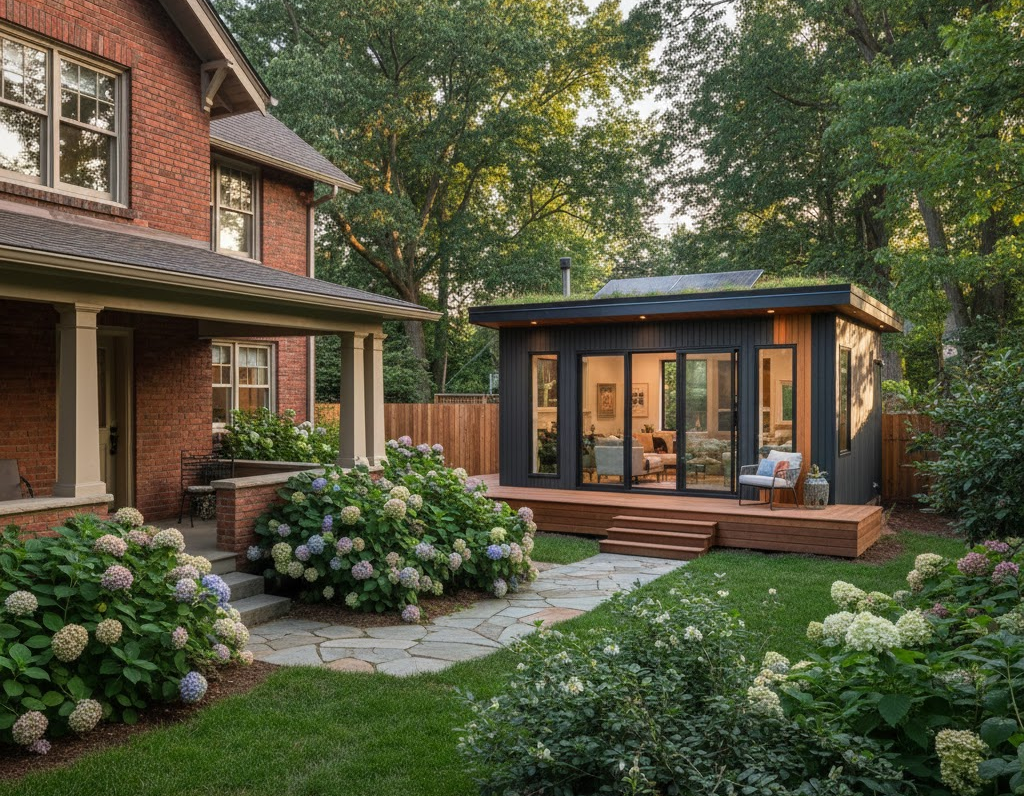
Are you looking to maximize your property’s potential? Secondary dwelling units offer innovative solutions for homeowners seeking more space and flexibility, whether for accommodating family members or creating rental opportunities. Dive in to discover how these adaptable units can transform your living experience and boost your property’s value.
Understanding Secondary Dwellings
What Is a Secondary Dwelling Unit?
A secondary dwelling unit, often referred to as an accessory dwelling unit (ADU), enhances the living capacity of a property. Nestled on the same lot as the primary residence, these well-designed spaces can provide essential additional living areas. Their adaptability allows for innovative uses, whether it’s a rental property or a sanctuary for visiting family.
Types of Secondary Dwellings
There’s no shortage of options when it comes to selecting the right type of secondary dwelling. Common variations include:
- Granny Flats: Compact, self-sufficient units often designed for aging relatives.
- Basement Apartments: Optimizing existing space in homes, providing convenient privacy.
- Tiny Homes: An on-trend choice that emphasizes minimalism and efficient living.
- Backyard Offices and Studios: Like the WorkPod, these can transform into a dedicated workspace.
The Value of Secondary Dwellings
Enhancing Property Value
Investing in a secondary dwelling is not just about creating extra space — it’s also about enhancing your property’s resale value. Research suggests that adding a secondary unit can elevate property values by as much as 30%. This is particularly evident in sought-after urban areas where additional living space can set a property apart in a competitive market.
Financial Returns and Rental Income Potential
Many homeowners embrace the idea of secondary units as a means of generating additional revenue. This financial prospect makes SDUs an attractive option, allowing homeowners to recoup construction expenses and possibly turn a profit.
Legal Considerations for Building Secondary Units
Understanding Zoning Regulations
Navigating the world of zoning laws is crucial when contemplating a secondary dwelling. Local regulations will dictate where these units can be constructed, as well as size and design requirements. For instance, in R-1 zones, secondary units might face restrictions, making it imperative to consult local ordinances before proceeding.
Securing Permits
To build a secondary dwelling, homeowners often need to secure permits from local councils. This process can involve submitting detailed plans and complying with financial assessments. It’s vital to understand the requirements thoroughly to avoid delays during construction.
Designing Your Secondary Dwelling
Customizable Design Options
One of the most compelling aspects of creating a secondary dwelling is the sheer variety of design options available. Homeowners have the freedom to choose from modern, minimalist designs or stick with traditional aesthetics. The integration of eco-friendly materials and technologies is also gaining popularity, making these spaces both attractive and sustainable.
Space Optimization Techniques
Maximizing space is vital for smaller units. Open floor plans that blend living, dining, and sleeping areas can make even the coziest spaces feel expansive. Consider sleek modular designs that can reduce construction time and expenses—and choose creative storage solutions to enhance functionality without compromising style.
Adapting to Changing Needs
Flexibility for Evolving Life Situations
The beauty of secondary dwellings lies in their versatility. As families grow and evolve, these units can be repurposed to meet shifting needs. An office may transform into a guest suite or a creative studio, demonstrating impressive adaptability. Such transformations make SDUs immensely desirable as they seamlessly accommodate life’s changes.
Building a secondary dwelling unit presents an excellent opportunity to enhance your property’s value while meeting various living needs. Whether you’re considering a cozy granny flat or a versatile backyard studio, collaborating with an expert in the field can help ensure a smooth planning and construction process, bringing your vision to life seamlessly.