
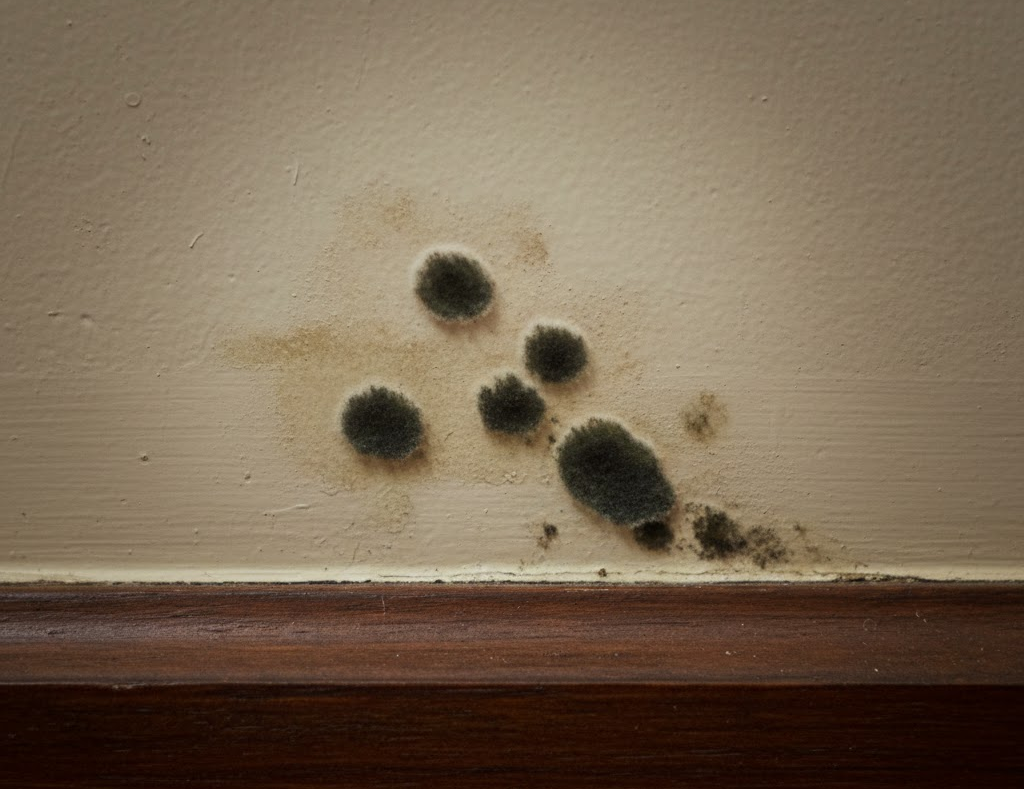
Even when water damage seems like a resolved issue, hidden mold can emerge, posing significant risks to both health and home structure. This article delves into the critical signs of mold infestation and underscores the importance of professional remediation to safeguard your living environment.
The Hidden Threat: Understanding Mold
When people think of mold, they often picture unsightly patches on walls or ceilings. However, the reality is much more disturbing. Mold growth can often be a far deeper issue than what meets the eye. While visible mold is certainly a cause for concern, the true danger lies in hidden colonies that can thrive in unseen spaces throughout your home. These colonies not only impact the aesthetic value of your home but also release mycotoxins that degrade indoor air quality, posing a risk to your health.
Why Mold is a Cause for Alarm
The most critical aspect of mold to understand is that it can begin to grow within a mere 24 to 48 hours after a water exposure incident. Once embedded, mold can be incredibly difficult to eradicate and often goes unnoticed until significant damage has already occurred. Common areas where mold thrives include behind walls, beneath flooring, and in insulation. Homeowners may fail to recognize the extent of the issue until faced with the consequences, both financially and health-wise.
Signs of Hidden Mold in Your Home
Fortunately, there are several indicators you can watch for to assess whether you have hidden mold lurking in your home:
- Persistent musty odors: An unpleasant smell may linger long after you’ve dealt with a water problem, signaling concealed mold growth.
- Stains and discoloration: Look for unusual stains on walls, ceilings, or floors. These can indicate moisture trapped behind surfaces.
- Health Symptoms: Be alert for respiratory issues or allergy-like symptoms that disappear when you leave home — these may suggest compromised indoor air quality.
Why Professional Mold Remediation is Important
Once identified, the need for professional mold remediation becomes clear. Many homeowners may opt for DIY solutions, but these often only scratch the surface and leave deep-rooted issues unresolved. Attempting to tackle mold without proper knowledge and equipment can lead to greater problems down the line, including the spread of spores and further damage to the structure of your home.
The Complex Remediation Process
Professional mold remediation is much more akin to hazardous material cleanup than conventional house cleaning. Here’s a breakdown of some critical steps involved in the process:
- Inspection and Testing: Certified inspectors utilize specialized tools, such as moisture meters and thermal imaging, to locate hidden mold.
- Containment: The area affected needs to be sealed off using plastic sheeting and negative air pressure machines to ensure that spores don’t escape into clean areas of your home.
- Personal Protective Equipment (PPE): Technicians wear full protective gear to reduce health risks while working.
- Safe Removal and Disposal: Mold-damaged materials must be safely bagged and removed to prevent cross-contamination.
- Drying and Dehumidification: The affected area must be dried thoroughly to eradicate any leftover moisture.
Understanding the Cost of Mold Remediation
The financial implications of mold remediation can be daunting, with costs varying significantly based on the extent of the infestation. Homeowners might find themselves facing bills anywhere from $3,000 to $6,000. Understanding how to navigate these expenses is crucial:
- Homeowners Insurance: Many insurance policies do not cover mold unless it’s linked to a specific peril, like a burst pipe. It’s wise to check your policy for coverage options regarding fungi or bacteria.
- Financing Options: Some restoration companies offer financing plans or can work directly with your insurance for billing, easing the upfront financial burden.
Preventing Future Mold Growth
Once mold has been dealt with, your next focus should be on prevention. Here are several effective strategies to keep your home mold-free:
- Regular Maintenance: Keeping an eye on potential sources of moisture — such as leaky pipes or poor drainage — can help stave off future mold.
- Proper Airflow: Maintaining ventilation throughout your home is essential to manage humidity levels. Aim to keep indoor humidity below 50%.
- Professional Inspections: Regular evaluations from certified professionals can help identify hidden risks before they escalate into severe problems.
In summary, understanding the hidden dangers of mold and the importance of professional remediation can make all the difference in maintaining both your health and the structure of your home. For practical tips and in-depth knowledge, feel free to explore more resources on mold and remediation techniques through this link.