
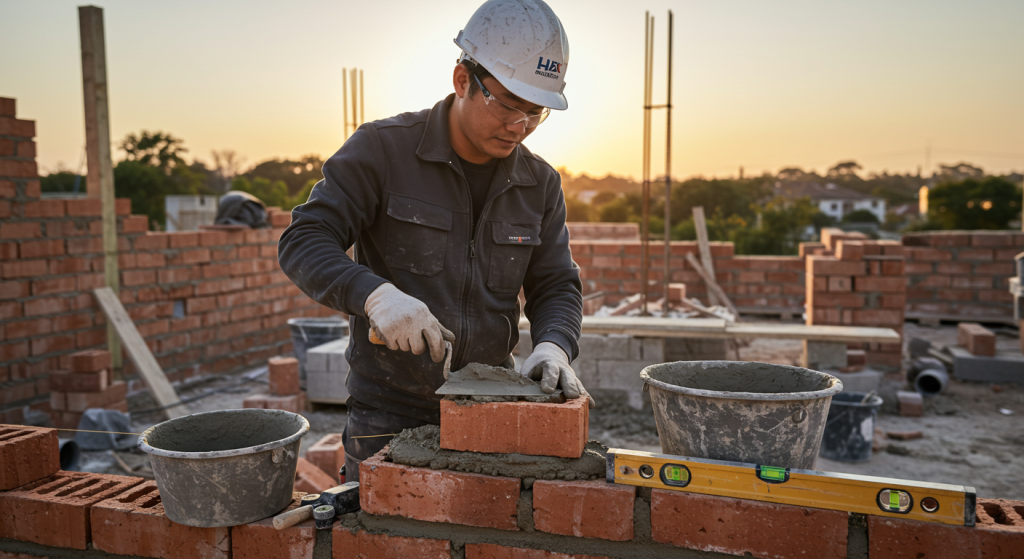
Welcome to the fascinating world of bricklaying, where the right tools and techniques come together to create stunning structures! Whether you’re embarking on a DIY project or looking to enhance your professional skills, understanding the essentials of this trade will pave the way for beautiful and durable brickwork.
Essential Tools for Bricklaying
To embark on a successful bricklaying adventure, having the right tools at your disposal is crucial. Here’s a look at some essential tools every aspiring bricklayer should have:
The Backbone: Trowel
The trowel is arguably the most critical tool in bricklaying. It allows you to spread mortar with precision and evenly place bricks. A brick trowel usually features a pointed nose and a wide, flat blade meant for applying and shaping mortar. You may also find a pointing trowel useful for getting into tight spots or corners.
Getting Things Straight: Level
No one wants a crooked wall! A level helps ensure that your bricks are positioned perfectly horizontally and vertically. This tool comes in various lengths, with longer levels providing greater accuracy across larger surfaces.
Measuring Up: Tape Measure and Gauge Rod
Measuring accurately is paramount. A sturdy tape measure is essential for calculating brick quantities and determining the places for doors and windows. A gauge rod can serve as a great reference tool, helping you maintain consistent height and levels throughout your project.
Understanding Brick Types and Their Uses
Selecting the right type of brick can significantly impact the outcome of your project. Let’s explore some common types and their applications:
Fired Bricks
These are the most widely used bricks, made from natural clay and fired in a kiln. Fired bricks come in various textures and colors, making them ideal for both structural and aesthetic purposes.
Concrete Bricks
Constructed from cement, aggregate, and water, concrete bricks are excellent for strength-heavy applications. Hollow concrete bricks, in particular, serve well in insulation and load-bearing projects.
Eco-Friendly Options: Fly Ash Bricks
For those interested in sustainable building practices, fly ash bricks made from industrial waste materials are an outstanding choice. They’re lightweight and provide fantastic insulation, making them a favorite for green construction.
Mastering Basic Bricklaying Techniques
The art of bricklaying involves several steps that require practice and precision. Here’s a breakdown of the basic techniques:
Site Preparation
Before laying any bricks, it’s vital to clear and prepare the site properly. Marking your layout with chalk helps establish a solid foundation for your walls.
Mixing Mortar
The consistency of your mortor can make or break your project. Combine sand, cement, and water in equal parts for a smooth, workable mixture—akin to peanut butter in texture.
Laying the First Course
Start with a generous layer of mortar on your foundation, and carefully place your first brick, ensuring it’s aligned and leveled. Using spacers can help achieve consistent joint sizes.
Avoiding Common Bricklaying Mistakes
Even the most experienced bricklayers may stumble. Here are some common pitfalls to watch out for:
Improper Mortar Mixing
A common mistake is creating a mortar mixture that’s too wet or too dry. Always adhere to the manufacturer’s instructions for water ratios.
Misalignment
Failing to keep bricks aligned can cause structural instability and unsightly walls. Regularly check your work with a level and a string line to maintain straightness.
Maintaining Brick Structures
Once your brick project is complete, taking care of it is crucial to ensure its longevity. Regular inspections for cracks or loose mortar can save you time and expense in the long run.
Cleaning and Sealing
Gently scrub any mold or mildew that may occur with a soft brush and soapy water. Applying a sealant every few years helps protect against weather damage.
Diving into bricklaying can be an incredibly rewarding experience. With the right tools, a solid understanding of techniques, and the ability to avoid common mistakes, you’ll be well on your way to mastering this fascinating trade. For more detailed tips and comprehensive guides on bricklaying, feel free to explore more at this site and this resource.