
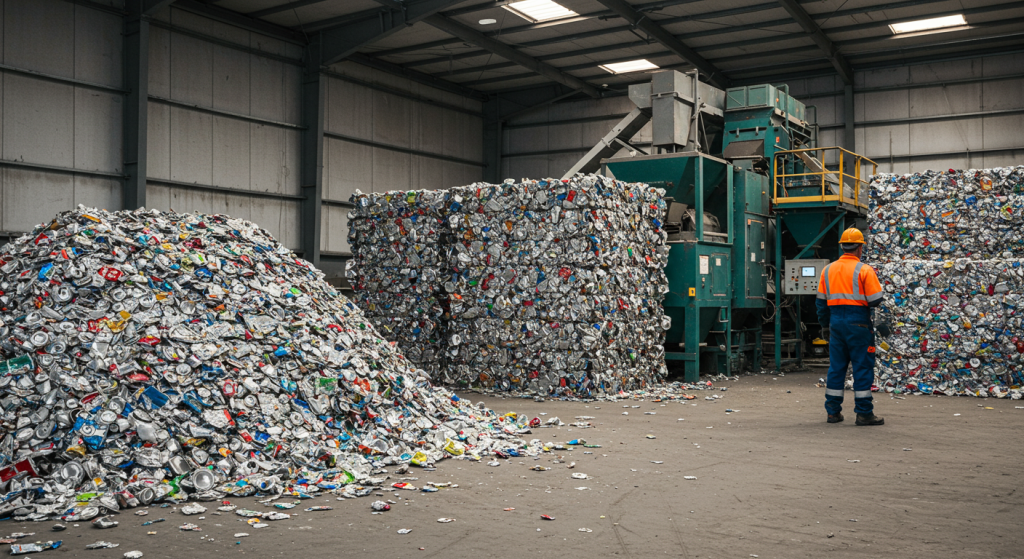
Aluminum represents one of the most versatile and sustainable materials available today. This lightweight yet robust metal is not only found in soda cans; it permeates various aspects of our daily lives, including cooking utensils and packaging materials. One of the most significant advantages of aluminum is its ability to be recycled repeatedly without loss of quality. Let’s explore the complete process of aluminum recycling.
The Significance of Aluminum Recycling
Recycling aluminum is of paramount importance for a multitude of reasons. Firstly, it conserves natural resources. Producing aluminum from raw materials, specifically bauxite ore, consumes an enormous amount of energy and leads to habitat destruction. Conversely, recycling aluminum reduces the need to mine virgin materials, effectively preserving resources and protecting the environment.
Energy Efficiency and Environmental Impact
One of the most striking advantages of recycling aluminum is the energy conservation it offers. The energy required to produce new aluminum from raw ore is significantly higher than recycling existing aluminum. To put this in perspective, recycling only requires about 5% of the energy compared to producing new aluminum. This remarkable difference translates into lower carbon emissions, meaning that by choosing to recycle, we can actively combat climate change and contribute to a sustainable future.
The Aluminum Recycling Journey
The journey of aluminum products does not end once they are discarded into recycling bins. Instead, a well-defined process ensures that these materials are efficiently reused and transformed into new products.
Step 1: Collection and Sorting
The first stage in aluminum recycling is the collection of used materials. Most communities implement curbside recycling programs, allowing residents to dispose of aluminum cans and foil materials conveniently. In addition, recycling depots serve as centralized drop-off points for larger quantities.
Once collected, proper sorting is crucial. Advanced technologies, such as magnets and eddy current separators, ensure that aluminum is separated from other materials like plastic and glass. Manual sorting further enhances the accuracy of the process, safeguarding the quality of the recycled material.
Step 2: Cleaning and Preparation
Following collection, aluminum must be cleaned to eliminate contaminants that could diminish its quality. During this phase, residues, labels, and other impurities are removed from the collected scrap, which is then shredded into smaller pieces to facilitate the subsequent melting process.
Step 3: Melting and Alloying
In the melting stage, shredded aluminum is heated in large furnaces at temperatures around 700°C (1300°F). While this stage is energy-intensive, it remains more efficient than producing virgin aluminum. Additionally, at this point, aluminum may be alloyed with other metals to enhance its properties and tailor it for various applications. It is essential to control the removal of impurities at this stage to guarantee the final product’s quality.
Step 4: Casting and Fabrication
Once the aluminum has been melted and alloyed, it is cast into ingots or other forms. These forms serve as the raw materials for creating new aluminum products, such as beverage cans, automotive components, and construction materials.
This activity showcases the true potential of a circular economy where materials are continuously repurposed and reused. The transformed aluminum re-enters the economy, ready for a second life.
Community Involvement in Aluminum Recycling
The success of aluminum recycling hinges heavily on community participation. To foster effective recycling practices, individuals can take several key actions:
Educate and Engage
Understanding the importance of aluminum recycling in a metal recycling center is the first step toward promoting sustainable practices within communities. Sharing knowledge with family and friends encourages responsible waste management and ensures everyone understands the significance of their actions.
Support Local Recycling Initiatives
Participating in local recycling programs and supporting policies that promote recycling is vital. Advocating for responsible recycling practices and voting for local initiatives enhances community engagement and fosters a strong recycling culture.
For those interested in learning more about the specifics of aluminum recycling and its implications for the environment, you can explore articles that delve deeper into the topic, such as those found here and here.
By advocating for and participating in the recycling of aluminum, we play a crucial role in shaping a sustainable future. Each can recycled, every package turned in, all contribute to a cleaner environment and a healthier planet.