
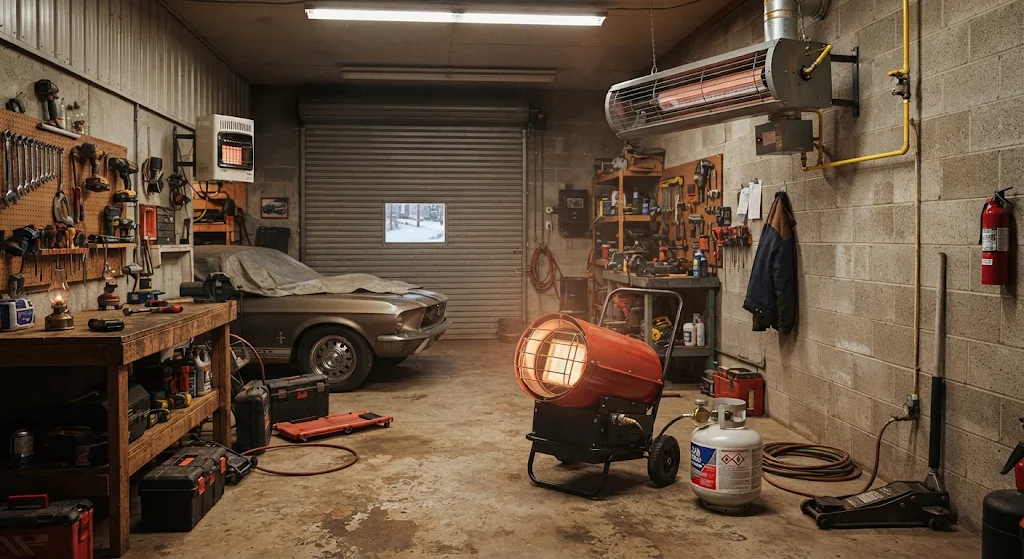
Gas heaters can turn a cold garage, busy workshop, or chilly living area into a more usable space, but the right choice depends on more than heat output. Fuel supply, ventilation, mounting position, insulation, and safety requirements all shape whether a heater performs well. Understanding the main types makes it easier to compare options and choose equipment suited to the room.
Choosing Gas Heater Types for Different Spaces
Garage gas heaters and workshop gas heaters are often selected for fast, dependable warmth in rooms with high ceilings, open doors, or limited insulation. Living spaces have different needs: quiet operation, even heat, and appliances approved for the intended indoor setting take priority.
Heaters generally warm a space through radiant energy or forced air. Radiant gas heaters warm people and objects directly, which can suit a workbench or a defined activity area; forced-air gas heaters circulate heated air and are often used to heat larger rooms more evenly.
Matching Heat Output to Room Size
BTU ratings describe heating capacity, not a guaranteed room size. Insulation, ceiling height, climate, air leakage, and how quickly the space needs to warm all affect the result. A 40,000–60,000 BTU unit may suit many two-car garages, but a heat-load assessment is more reliable than square footage alone.
Oversizing can cause frequent cycling, while undersizing may leave a room cold during prolonged winter weather. For a broader look at planning comfortable interiors, see these home improvement considerations.
Comparing Vented and Vent-Free Gas Heaters
Vented gas heaters send combustion products outdoors through an approved exhaust system. They are commonly considered for permanent garage and workshop installations, where proper vent routing and clearances must be planned from the start. Many larger unit heaters use powered exhaust and require professional installation.
Vent-free gas heaters do not use an outdoor flue, but they release combustion by-products and moisture into the room. Their use may be restricted by local regulations, and adequate ventilation is essential; they should never be treated as suitable for every enclosed space.
Selecting Natural Gas or Propane
Natural gas heaters can be convenient where a suitable gas line is already available, while propane gas heaters can serve buildings without that connection. Some models support conversion between fuels, but only when the manufacturer permits it and the correct conversion parts are installed.
Wall-mounted gas heaters save floor space, while ceiling-mounted units keep equipment clear of work areas. Check mounting support, service access, exhaust route, and thermostat compatibility before settling on a location.
Comparing Gas Unit Heaters for Garages and Workshops
These examples illustrate how capacity and design influence suitability; product specifications and installation requirements should always be confirmed with the manufacturer. A high BTU rating is not automatically an advantage if the room is small or well insulated.
| Heater Type or Model | Typical Strength | Consideration |
|---|---|---|
| Mr. Heater 50,000 BTU | Medium garages and light commercial spaces | May need longer run times in severe cold |
| Mr. Heater 80,000 BTU | Large garages and mid-sized workshops | Confirm fuel, venting, and room heat load |
| Reznor UDXC-60, 60,000 BTU | Ceiling-mounted indoor installations; listed efficiency is 83% | Compatible mounting hardware may be required |
| Modine Hot Dawg, 45,000 BTU | Compact spaces where quiet operation matters | May have limited capacity in very cold climates |
| Modine Hot Dawg, 125,000 BTU | Large shops or commercial spaces with high heat demand | Can be excessive for smaller rooms |
Portable propane models can offer flexibility for occasional, localized heating, whereas fixed forced-air gas heaters are better suited to planned, whole-room coverage.
Weighing Installation and Operating Needs
Before choosing a model, compare the practical requirements as carefully as the advertised output. A qualified installer can verify fuel connections, exhaust arrangements, electrical needs, and compliance with local codes.
- Space and insulation: account for ceiling height, drafts, and the room’s heat-loss characteristics.
- Fuel access: compare the availability of natural gas with the storage and refilling needs of propane.
- Mounting and venting: confirm clearances, structural support, and a safe exhaust route.
- Controls and sound: check thermostat compatibility and consider noise in work or living areas.
Protecting Indoor Safety and Comfort
Gas appliances need unobstructed air intakes, clean burners, and properly maintained exhaust paths. Install carbon monoxide detectors where appropriate, keep combustible materials clear of the heater, and follow the manufacturer’s operating instructions; safety sensors do not replace correct installation.
Residential gas heaters must be specifically approved for the space in which they will operate. Avoid assuming that a garage-rated appliance is suitable for a living room, or that a vent-free design is permitted locally. Professional assessment helps align heater type, room conditions, and regulations.
Routine inspection and servicing help preserve efficient operation, especially before the heating season. A licensed heating professional can assess the space, recommend an appropriate heater type, and complete specialized installation or repairs.