
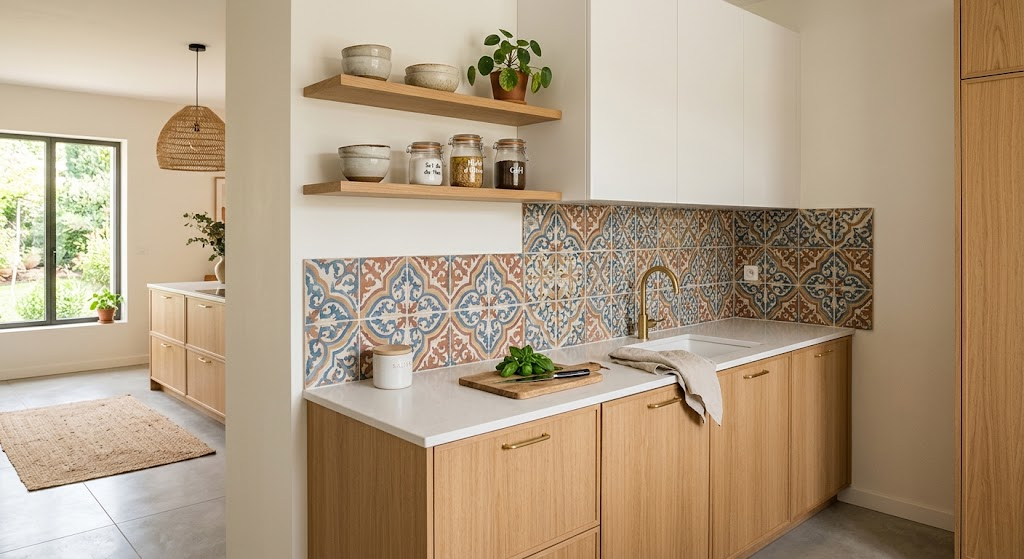
In the world of interior design, the interplay between decorative tiles and plain surfaces can transform a space, creating visual depth and interest. However, achieving this balance requires a delicate touch. This article delves into practical strategies for mixing tile styles while avoiding the pitfalls of overcrowding, ensuring a harmonious aesthetic.
Creating a Cohesive Look with Mixed Tiles
Combining different tile styles in a single space is an innovative way to add personality and uniqueness. The appeal lies in the ability to create a visual rhythm that guides the eye and enhances the overall ambiance. However, failure to execute this can lead to chaotic environments. Understanding how to effectively blend decorative tiles with simpler surfaces is paramount.
Understanding Key Principles for Mixing Tiles
Proper mixing starts with some foundational principles aimed at achieving a cohesive look. This framework helps maintain balance, avoiding overwhelming visual stimuli in the space.
- Limit Your Color Palette: Stick to two or three tones that complement each other. Keeping a tight color scheme ensures that different textures and patterns feel intentional.
- Vary One Element at a Time: When mixing patterns, focus on changing one factor—like scale or finish—while keeping other elements consistent. This helps establish clarity.
- Establish a Hierarchy: Identify a dominant tile as the base and smaller decorative tiles as accents. Following the 60-30-10 rule can effectively distribute visual weight, ensuring no element competes for attention.
Exploring Effective Tile Combinations
With the foundational principles set, it’s time to explore specific combinations that work seamlessly together. This section outlines various strategies for integrating tiles to create striking and functional designs.
Floor and Wall Tile Integration
Mixing tile formats between floors and walls often creates dynamic visual interest. Successful transitions are key to maintaining a unified look.
- Tonal Harmony: Use tiles in the same color family but with different formats to create depth.
- Contrasting Finishes: A matte floor paired with glossy wall tiles in similar shades adds dimension without chaos.
- Implementing Transitional Strips: Narrow border tiles can effectively separate different formats, ensuring smooth visual breaks.
Crafting Feature Walls
A feature wall can be an eye-catching focal point when done correctly. The challenge lies in ensuring that it stands out without clashing with surrounding tiles. Here’s how to master this technique:
- Keep Surrounding Surfaces Simple: If you’re using a bold feature tile, like a patterned zellige, balance it with neutral large-format tiles elsewhere.
- Utilize Bounded Spaces: Position feature tiles within architectural niches or defined areas to create a natural frame.
- Maintain Color Consistency: Use complementary colors for adjacent areas to reinforce cohesion without overpowering the feature.
Practical Applications Across Different Spaces
Let’s look at how mixed tiles can elevate design in various environments, from kitchens to bathrooms and entryways.
Kitchen Backdrops
Kitchens offer a fantastic canvas for mixing tiles. Creative combinations can define areas and add sophistication.
- Accent Above the Stove: Consider pairing classic subway tiles with intricate mosaics above the cooking area.
- Mixing Finishes: Using both matte and glossy tiles can provide subtle texture contrasts, enhancing the kitchen’s visual appeal.
Bathroom Transitions
In bathrooms, differing tiles can delineate functional areas. Here’s how to effectively mix designs:
- Pair Wall and Floor Options: Large marble tiles on one wall can beautifully contrast with mosaic tiles in the shower.
- Utilize Pure Patterns: Use patterned tiles on a designated floor area opposite simple wall designs to maintain balance.
Avoiding Common Design Pitfalls
Mixing tile styles can be rewarding, yet there are common mistakes that can detract from the desired effect. Here are a few to steer clear of:
- Overcomplicating with Too Many Patterns: Limit the use of patterns to two or three to maintain harmony in the design.
- Ignoring Lighting Effects: Consider how tiles reflect light differently; glossy finishes can brighten, while matte surfaces absorb light.
- Forgetting a Dry Layout Test: Laying out tiles before installation can help visualize the final look and prevent costly design errors.
Emphasizing the Importance of Grout Lines
The choice of grout can tie mixed formats together aesthetically. Pay attention to how grout complements or contrasts the tiles.
- Matching Grout Colors: Grout that matches the base tile color creates a seamless appearance.
- Contrasting for Effect: Bold grout colors can highlight intricate tile patterns, especially for handcrafted designs.
- Planning for Alignment: Ensure that your installation team aligns grout lines effectively to avoid visual disruptions between formats.
In conclusion, mixing decorative tiles with plain surfaces can add character and visual interest without making a room feel overcrowded. A balanced combination of patterns, colors, and textures helps create a cohesive and comfortable interior. Working with tile design professionals can also help achieve the right balance for a polished result.