
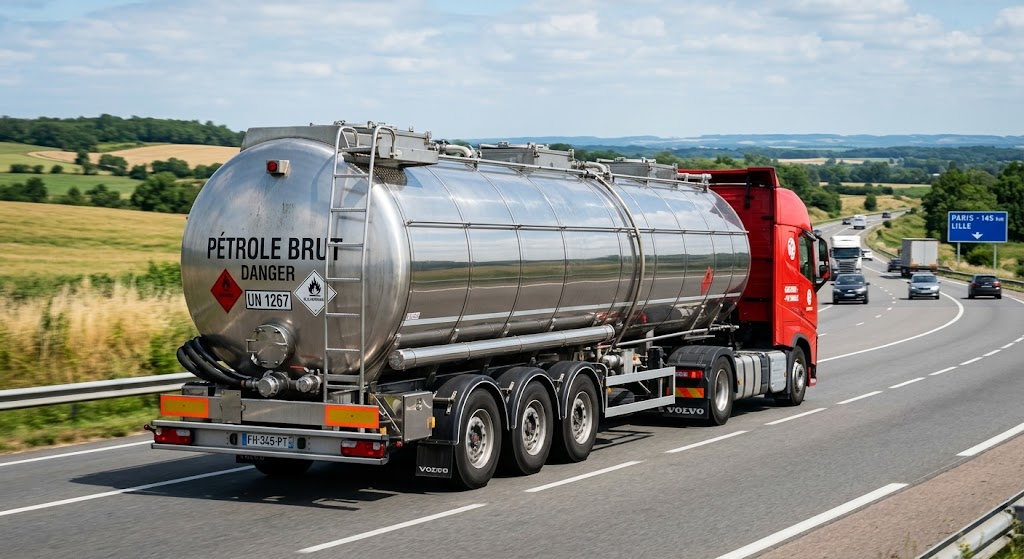
When it comes to choosing the right trailer, the debate between stainless steel and aluminum options is a pivotal one. Each material boasts distinct advantages and drawbacks that impact durability, maintenance, and performance. Navigating these differences can significantly influence your hauling efficiency and long-term satisfaction.
Assessing Material Strength and Weight
Understanding the fundamental differences in stainless steel and aluminum trailers is essential for making an informed decision. The choice of material affects everything from fuel efficiency to payload capacity.
Evaluating Aluminum Trailers
Aluminum trailers stand out for their lightweight nature, which contributes to easier towing and less strain on vehicles. Moreover, aluminum is inherently resistant to rust, making it an excellent choice for humid or rainy environments. However, while its durability is commendable, it does not match the heavy-duty strength of steel.
Analyzing Stainless Steel Trailers
In contrast, stainless steel trailers are renowned for their robust strength, ideal for transporting hefty loads and equipment. Though they often come with a lower upfront cost than aluminum, they require diligent maintenance to protect against rust and corrosion, especially in wet climates. This balancing act of cost and upkeep can sway your decision.
Understanding Maintenance Requirements
The maintenance demands for each material differ significantly, impacting long-term ownership costs and convenience. Knowing these requirements can help you choose the trailer that fits your lifestyle.
Maintenance of Aluminum Trailers
With aluminum trailers, the rust resistance significantly reduces ongoing maintenance efforts. This advantage means fewer inspections and repairs over time. For users who frequently travel in coastal or wet environments, such as Florida, aluminum can save both time and money on upkeep.
Maintenance of Stainless Steel Trailers
On the flip side, stainless steel requires regular care to prevent corrosion and maintain structural integrity. Owners should expect to repaint or treat their trailers periodically, especially if exposed to harsh conditions. For those who prioritize heavy hauling, however, the extra maintenance may be justified.
Exploring Long-Term Cost Implications
Investment in a trailer should consider not only the purchase price but also the expected long-term costs associated with maintenance and operation. These factors can reveal which material offers better value based on individual needs.
Understanding the Economics of Aluminum Trailers
Initial costs for aluminum trailers may be higher, but their longevity and lower maintenance can lead to substantial savings over time. Especially valued in industries with light to moderate hauling demands, their fuel efficiency due to lower weight can translate to cost-effective operations.
Evaluating the Cost-effectiveness of Stainless Steel Trailers
While stainless steel trailers may provide greater upfront strength at a lower initial cost, their propensity for rust can lead to higher maintenance expenses. This often skews the cost-benefit analysis in favor of aluminum for long-term use, particularly in conditions susceptible to moisture.
Choosing the Right Trailer for Your Needs
Ultimately, the selection between aluminum and stainless steel trailers should align with your unique hauling requirements and the environments in which you operate. A thoughtful assessment will ensure your choice meets your needs effectively.
Assessing Your Hauling Demands
Light loads and frequent travel in diverse conditions make aluminum an appropriate choice for many users. Conversely, heavy lifting and demanding tasks may benefit from the strength of stainless steel. Evaluating the types of cargo you usually transport is pivotal in your decision-making process.
Evaluating Environmental Considerations
In your decision, consider the terrain and climate where you’ll operate most often. Aluminum is preferable in coastal or humid regions due to its rust resistance, while stainless steel performs well in more stable, dry conditions where maintenance can be meticulously managed.
Consulting Experts for Informed Decisions
Partnering with professionals can streamline your selection process. Knowledgeable experts can offer detailed insights into the advantages of each material and guide you in customizing your trailer to best suit your operational requirements.
Leveraging Expert Guidance
An experienced consultant can help weigh the pros and cons of aluminum vs stainless steel trailers effectively, ensuring you make the right choice based not only on durability and maintenance but also considering your specific usage and budget.
With a commitment to quality and customer service, Liquid PARTNERS provides expert advice and a diverse selection of both aluminum and stainless steel trailers. Their team can assist in tailoring your selection to enhance your experience and operational efficiency, offering insights developed through years of industry knowledge.