Clogged drains can be a persistent and frustrating issue in residential plumbing. Understanding what builds up inside drain pipes is essential for preventing further problems, from slow draining to complete blockages. This article explores the various culprits that contribute to the accumulation of debris in your drainage system, offering valuable insights for homeowners.
Identifying Common Causes of Drain Pipe Buildup
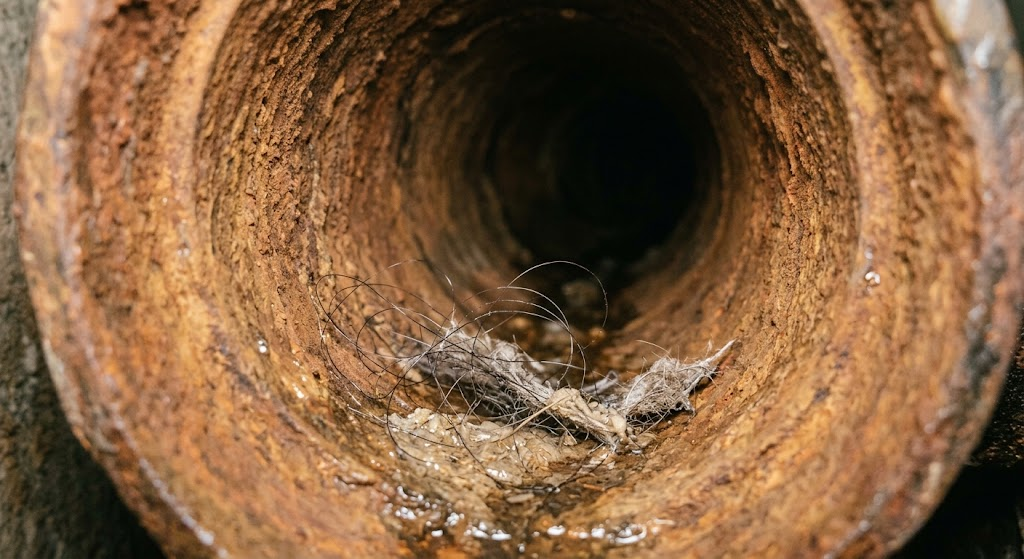
The buildup inside residential drain pipes can originate from several sources. Recognizing these common issues can help homeowners take proactive measures to avoid clogs.
Understanding Hair Buildup
Hair is often one of the leading causes of clogged drains, particularly in bathrooms. Long strands can easily become entangled with soap and other debris, creating dense blockages. Regular maintenance, such as using drain screens to catch hair before it enters the pipes, can mitigate this issue.
Identifying Grease and Oil Accumulation
Grease and cooking oil may seem harmless when poured down the sink, yet they often solidify as they cool in the pipes. This leads to significant clogs over time. To prevent grease buildup, consider disposing of these substances in the trash instead.
Soap Scum: A Major Culprit
Soap scum is frequently overlooked but can accumulate in pipes, particularly in homes with hard water. The combination of minerals from hard water and soap creates a sticky residue that can significantly impede water flow. Periodic cleaning and the use of softer soaps can help keep this issue at bay.
Exploring Mineral Buildup Risks
Mineral deposits, particularly from hard water, can accumulate and form blockages in drain pipes. Addressing this issue is crucial for maintaining healthy plumbing.
Understanding the Impact of Hard Water
Hard water contains high levels of minerals like calcium and magnesium, which can lead to significant deposits in pipes. This mineral buildup reduces the flow of water and can contribute to more severe clogs over time. Installing a water softener is a practical solution for homes in areas with hard water.
Dealing with Foreign Objects
Small items, such as jewelry and toys, can easily fall into drains and create blockages. These foreign objects can be particularly challenging to remove, often requiring professional assistance. Installing drain covers can help prevent these mishaps.
Recognizing the Role of Tree Roots
Tree roots can also cause severe issues with drain pipes, as they seek moisture and can intrude into the plumbing system through tiny cracks. This intrusion can lead to significant blockages.
Prevention of Root Intrusions
To mitigate the risk of roots growing into your pipes, consider maintaining a safe distance between trees and underground plumbing. Regular inspections can help identify potential threats before they result in major problems.
Addressing the Issues Related to Old Pipes
As pipes age, they can corrode or become damaged, leading to leaks and blockages. Regular maintenance and timely repairs can extend the life of your plumbing.
Tackling Incorrect Installations
Pipes that are incorrectly installed can lead to serious plumbing problems in the future. Ensuring that all plumbing work is done by qualified professionals can prevent many issues related to improper installation.
Understanding Inadequate Flushing
Inadequate flushing can lead to the buildup of waste in toilets and drains. Ensuring enough water is used for flushing can prevent blockages caused by leftover material. Families should also encourage the proper disposal of waste in the toilet.
Mitigating the Risks of Frozen Pipes
Frozen pipes can cause significant damage. When water freezes inside pipes, it expands and can lead to cracks or bursts.
Preventing Freezing
To help protect from frozen pipes in winter, insulating exposed plumbing and keeping a consistent indoor temperature is key. If you suspect your pipes may be frozen, it’s advisable to contact a plumber quickly to avoid further damage.
Improving Ventilation in Drainage Systems
Proper ventilation is essential for the effective function of drainage systems. When vents are blocked, it can lead to slow drainage and foul odors.
Ensuring Effective Drainage
To ensure the proper function of drainage systems, regular checks on ventilation can identify blockages before they worsen. Homeowners should monitor drainage systems for slow flow or unusual gurgling sounds, indicative of ventilation issues.
Maintaining your pipes requires a comprehensive understanding of various factors that may lead to clogs. Regular inspections, proactive cleaning, and adopting proper disposal habits can lessen the risk of drain blockage. Hiring a professional plumber for routine maintenance not only aids in avoiding issues but also ensures your plumbing system operates efficiently. By staying informed and vigilant, homeowners can protect their plumbing systems and reduce the likelihood of expensive repairs down the road.