
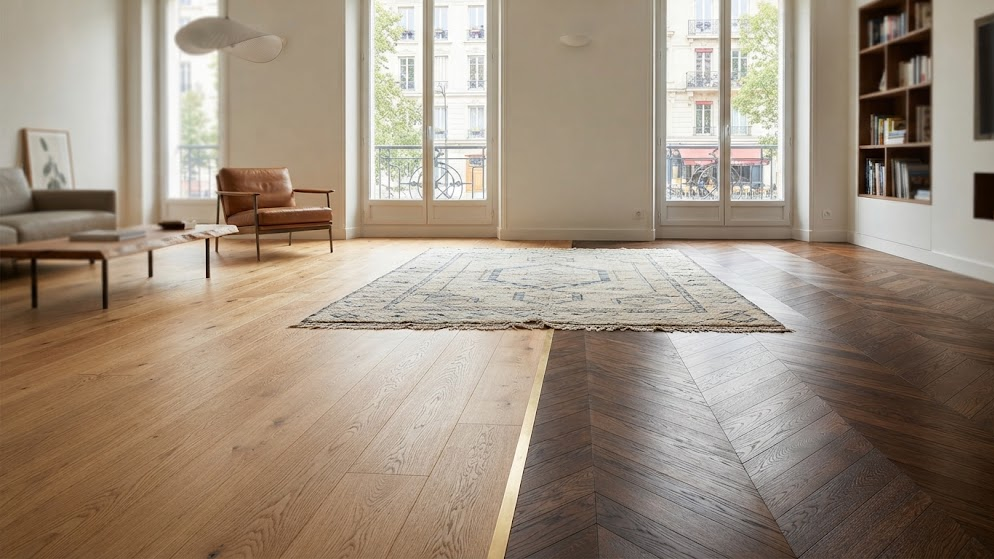
Choosing the right finish for hardwood floors can significantly impact both aesthetics and durability. Homeowners face a pivotal decision: whether to opt for a stained finish that adds color and depth or to preserve the wood’s natural beauty with a clear finish. This article delves into various hardwood refinishing options, comparing their benefits and drawbacks, ensuring that you make an informed decision for your space.
Understanding Hardwood Finishes
The first step in choosing between stain and natural finishes is understanding what each entails. Both options can dramatically change the appearance of your hardwood floors, but they do so in different ways.
What is Staining?
Staining involves applying a pigmented substance to the wood, enhancing its natural grain while adding color. This process can drastically alter the wood’s appearance, allowing for a range of styles and themes.
- Stains come in various shades, enabling customization according to your decor.
- They can highlight the wood grain, enhancing its beauty and texture.
- Staining can provide a uniform color across different wood species.
What is a Natural Finish?
A natural finish preserves the wood’s original color and grain, typically using oils or clear coats. This option highlights the inherent beauty of the wood without the additional pigment found in stains.
- Natural finishes enhance the wood’s natural tones, creating a warm, organic look.
- They often allow for easier touch-ups as scratches and wear can be less noticeable.
- Natural finishes tend to be more environmentally friendly, using fewer chemicals.
Advantages of Stain Finishes
Stained finishes offer an array of benefits that can be particularly appealing to homeowners looking for a specific aesthetic.
Color Variety
One of the primary advantages of staining is the extensive color palette available. From rich mahogany to light ash, stains can cater to various design preferences.
- Stains allow for personalization, matching the flooring to existing decor.
- Dark stains can create a dramatic effect, while lighter shades can open up a space.
- They can mask imperfections and uneven tones in the wood.
Enhanced Protection
Stains often come with additional protective properties that can help prolong the lifespan of your flooring.
- Many stains include sealants that provide an extra layer of protection against moisture and wear.
- Stains can help prevent discoloration caused by UV exposure.
- They offer resistance to scratches, making them ideal for high-traffic areas.
Advantages of Natural Finishes
Natural finishes are favored for their simplicity and the authenticity they bring to hardwood flooring.
Preservation of Wood’s Authenticity
Natural finishes maintain the original character of the wood, showcasing its unique patterns and colors.
- They allow the wood to breathe, which can enhance its longevity.
- Natural finishes can be less likely to peel or wear in a way that exposes the wood underneath.
- They help retain the original texture and feel of the hardwood.
Ease of Maintenance
Natural finishes can simplify maintenance and upkeep, making them a practical choice for many homeowners.
- Touch-ups can be performed without the need for complete refinishing.
- Natural finishes are often easier to apply, requiring less specialized equipment.
- They can be less harmful to indoor air quality, as they often contain fewer volatile organic compounds (VOCs).
Choosing the Right Option for Your Home
Deciding between stain and natural finish ultimately depends on your aesthetic preference and practical needs.
Consider Your Style and Decor
Your home’s interior design plays a significant role in determining which finish is appropriate. Consider the existing colors and materials in your space.
- Stains can offer bold contrasts, while natural finishes provide a harmonious blend.
- Evaluate whether your decor leans towards modern, rustic, or traditional styles.
- Think about how lighting affects your flooring choices; stains may appear differently under various lighting conditions.
Evaluate Durability Needs
Consider the level of foot traffic and usage in your home when choosing a finish.
- High-traffic areas may benefit from the protective qualities of stain finishes.
- Natural finishes may be suitable for areas with less wear, allowing for a more authentic look.
- Assess your willingness to perform maintenance over time, as some finishes require more upkeep than others.
In conclusion, both stain and natural finishes offer unique benefits that can enhance the beauty and functionality of your hardwood floors. Whether you prefer the rich hues of a stain or the authentic look of a natural finish, each option can transform your space. To ensure the best results, consider consulting with a professional who can guide you based on your specific needs and preferences.