In the competitive world of landscaping and tree care, efficiency and reliability hinge on the performance of equipment. Among the most vital tools is the chipper truck body, which plays a significant role in both workflow and maintenance. Understanding the features that enhance its maintenance can lead to improved productivity and lower long-term costs.
Explore Features That Simplify Chipper Body Maintenance
A plethora of features contribute to the ease of maintaining a chipper truck body. These elements ensure that operators can efficiently manage their equipment while minimizing downtime, enhancing both reliability and safety on job sites.
Invest in Quality Materials for Durability
The foundation of a low-maintenance chipper truck body lies in its construction materials. When selecting a chipper body, prioritize the following characteristics:
- High-strength steel: Provides structural strength and resistance to impacts during regular operation.
- Corrosion-resistant finishes: Help protect exposed surfaces from moisture and environmental wear.
- Durable construction: Reduces the likelihood of premature damage and frequent repairs.
Quality materials can extend the body’s service life, reduce maintenance requirements, and improve operational efficiency.
Prioritize Accessibility in Design
The design of a chipper body can greatly impact maintenance ease. Features such as accessible cleanout areas, durable hinges, and secure latches should be prioritized. These elements facilitate quick inspections and efficient cleanings, which are essential for optimal performance. Moreover, a design that allows easy access to essential components can lead to reduced downtime during routine maintenance tasks.
Integrate Safety Features to Enhance Maintenance
Safety features are not merely regulatory necessities; they also contribute to smoother maintenance operations. A well-designed chipper truck body will include secure tailgates and reinforced latches. Such features prevent accidental spills, reducing the frequency of cleanups. Additionally, integrated safety lighting enhances visibility during maintenance activities, ensuring crew safety while inspecting or repairing the body.
Utilize Innovative Dumping Mechanisms
Modern chipper bodies often incorporate hydraulic dumping systems that improve unloading and simplify daily operations. Their main advantages include:
- Controlled unloading: Helps crews discharge collected material more efficiently.
- Reduced physical strain: Limits the need for manual handling during unloading.
- Improved load management: Encourages appropriate loading practices and reduces unnecessary stress on the body.
- Easier cleaning: Allows remaining debris to be removed more effectively after unloading.
Regularly inspecting hydraulic components and following the manufacturer’s maintenance recommendations helps preserve reliable operation.
Explore Customization Options for Specific Needs
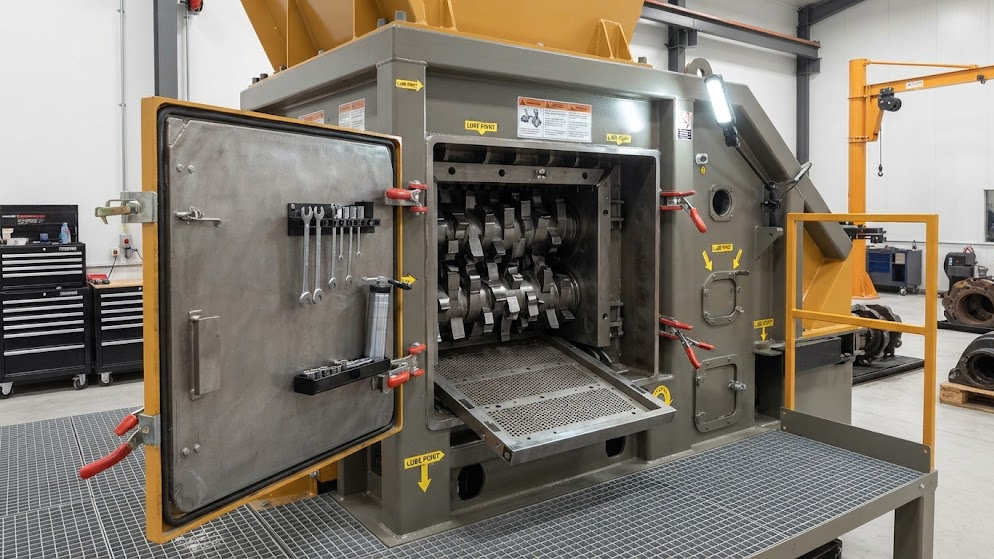
The ability to customize a chipper truck body can significantly enhance operational efficiency and maintenance facilitation. Options such as integrated tool storage compartments can help keep essential tools securely stowed while streamlining workflows. Custom layouts can adapt to the specific needs of a crew, further promoting productivity and reducing wear on equipment. Aligning the design of the chipper body with operational strategies can lead to a more user-friendly experience.
Recognize Common Challenges and Avoid Mistakes
While selecting chipper bodies, it’s important to recognize common pitfalls that can complicate maintenance. Undersized bodies can lead to frequent dump trips that impede productivity. In contrast, excessively large bodies may reduce maneuverability, increasing wear and tear on the equipment. Additionally, opting for cheaper, lower-quality materials can result in higher long-term maintenance costs due to frequent repairs.
Establish a Routine Maintenance Schedule
Creating a routine maintenance schedule is vital for keeping chipper truck bodies in optimal condition. Regular inspections can help identify potential issues before they escalate, ensuring that the body remains reliable over time. A proactive approach saves both time and resources, enhancing the longevity of the investment. Remember, effective maintenance not only improves performance but also elevates safety on job sites.
Embrace Technology in Maintenance Tracking
Digital tools can help crews organize maintenance activities and monitor equipment condition. Useful practices include:
- Recording inspection dates and completed maintenance tasks.
- Keeping service histories and repair records in one accessible location.
- Setting reminders for scheduled inspections and servicing.
- Tracking recurring problems and usage patterns to identify potential maintenance needs.
- Reviewing equipment records when evaluating future purchases or upgrades.
Consistent recordkeeping helps operators make informed decisions and manage maintenance more efficiently.
Adapt to Evolving Industry Trends
The landscaping and tree care industries continuously evolve, necessitating adaptations in equipment design and maintenance practices. Staying informed about new technologies, materials, and best practices is essential for maintaining an edge over competitors. Engaging with industry specialists and attending trade shows can provide valuable insights into the latest innovations that enhance chipper body maintenance.
Invest in Comprehensive Training for Crews
An informed crew can effectively manage the maintenance of chipper truck bodies, ensuring longevity and performance. Providing comprehensive training on the use and care of equipment goes a long way. When crews understand how to properly operate and maintain their tools, the likelihood of damage or neglect diminishes, ultimately leading to a more efficient operation.
Investing in the right features for a chipper truck body can significantly impact maintenance ease, improving productivity and safety. By selecting durable materials, prioritizing accessibility, and integrating innovative safety features, operators can enjoy a streamlined maintenance process. Embracing technology and establishing routine practices will further ensure chipper bodies remain operational and efficient over the long term.