
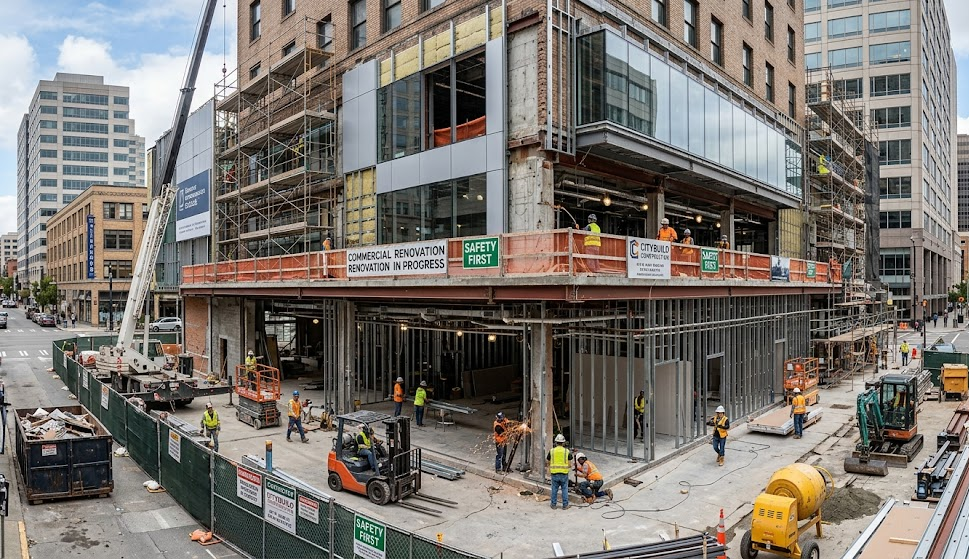
Undertaking a commercial renovation project can transform not only the physical space but also the identity and operational capability of a business. Whether you’re revamping an outdated office, adapting a warehouse, or converting a historic landmark into a modern workspace, a well-structured approach is vital for success. This article delves into the various phases of a commercial renovation.
Exploring the Planning Phase in Commercial Renovations
The planning phase serves as the foundation for any successful commercial renovation project. It involves detailed assessments of the existing structure, stakeholder consultations, and the establishment of clear objectives. Engaging qualified professionals like architects, engineers, and project managers during this phase ensures that every aspect aligns with industry standards and business goals.
Gathering Essential Information
Comprehensive data collection is vital during planning. Activities may include:
- Property Assessment: Inspecting the current structure to identify strengths and weaknesses.
- Market Analysis: Understanding the local commercial real estate trends and tenant demands.
- Stakeholder Input: Collecting feedback from stakeholders to align the renovation with end-user needs.
This stage is crucial for ensuring clarity on project scope and expectations, preventing miscommunication later on.
Diving into the Design Phase for Effective Space Utilization
Once planning is complete, the design phase begins. This stage translates concepts into practical layouts and aesthetics that reflect the renovation goals. Attention to detail in this phase can significantly impact the future user experience and operational efficiency.
Creating Functional Layouts
A well-thought-out layout enhances both workflow and employee satisfaction. Consider these elements:
- Open Floor Plans: Promoting collaboration and flexibility among teams.
- Private Spaces: Ensuring areas for meetings and focused work.
- Compliance Design: Meeting ADA standards for accessibility.
The design phase should also emphasize sustainable practices and energy-efficient materials to reduce operational costs long-term.
Implementing a Robust Budgeting Strategy
Budgeting for a commercial renovation requires precision and strategic foresight. It’s not merely about setting a spending limit but also about anticipating challenges and costs associated with unforeseen circumstances. A well-structured budget acts as a roadmap through the construction process.
Essential Budgeting Components
Key elements to include are:
- Hard Costs: Material and labor expenses required for construction.
- Soft Costs: Fees related to planning, design, and legal aspects.
- Contingency Fund: A reserve of 10-15% of total costs for unexpected expenses.
By thoroughly analyzing costs and maintaining flexibility, you can effectively mitigate financial risks.
Navigating Through the Permitting Process
The permitting phase is often daunting due to the layers of regulations that must be adhered to. Securing the right permits ensures compliance with local laws and standards, allowing the project to move forward without legal hindrances.
Understanding Permit Requirements
During this stage, it’s crucial to know:
- Local Codes: Familiarize yourself with zoning laws and building codes specific to your area.
- Documentation: Prepare all necessary documentation to expedite the approval process.
- Consult With Experts: Engage permit specialists or legal advisors who understand local regulations.
Efficient management of this phase will help prevent project delays and fines.
Executing the Construction Phase with Precision
With thorough planning, design, and permitting in place, the construction phase commences. This is where plans transform into reality, requiring strict adherence to timelines and budget constraints.
Ensuring Quality Construction
Key aspects of effective construction management include:
- Regular Inspections: Conducting timely checks to ensure adherence to plans and code compliance.
- Scope Management: Preventing scope creep by monitoring changes and their implications on the budget.
- Open Communication: Maintaining clear channels between contractors, project managers, and stakeholders.
By focusing on detail and maintaining a vigilant oversight, the project can progress toward successful completion.
Implementing Rigorous Inspection Protocols
The inspection phase is critical for verifying that all work aligns with approved designs and safety standards. This phase ensures that the project meets quality expectations before final completion.
Conducting Comprehensive Inspections
Essential procedures include:
- Final Inspections: Checking all systems such as electrical, plumbing, and HVAC for functionality.
- Compliance Verification: Ensuring all work meets local building codes and safety regulations.
- Client Walk-Throughs: Involving stakeholders in a final review to identify any adjustments needed.
These inspections are invaluable for minimizing future issues and securing confidence in the renovation outcome.
Finalizing the Project with a Focus on Completion
The culmination of all previous phases leads to the completion stage. This is where the space is formally handed over to the client, often accompanied by necessary documentation and operational training for staff.
Ensuring a Seamless Transition
Important elements during the finalization include:
- Documentation Delivery: Providing as-built drawings and systems operation manuals.
- Staff Training: Ensuring facility managers know how to operate systems efficiently.
- Post-Occupancy Evaluation: Conducting follow-ups to gather feedback on building performance and operation.
Understanding the various phases of a commercial renovation project is essential for achieving optimal outcomes. Each stage, from planning to completion, builds upon the last, creating a cohesive process that aligns with growth and operational effectiveness. Engaging professional expertise at every level ensures your renovation not only meets but exceeds expectations.