
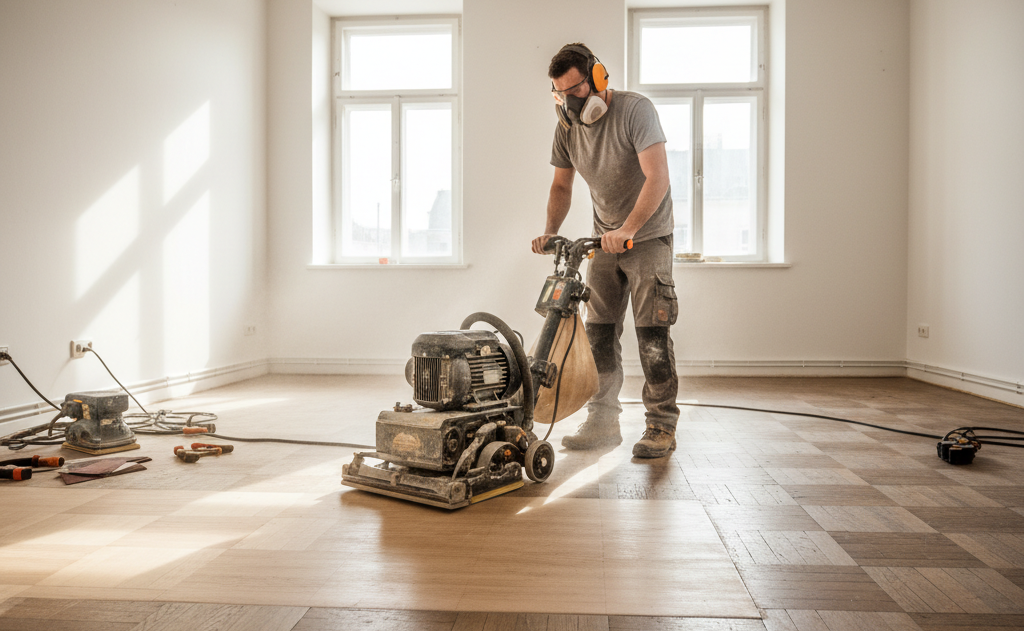
Hardwood flooring stands as a timeless hallmark of elegance and durability in home improvement. Yet, its beauty can fade under layers of wear and tear, prompting many homeowners to delay essential maintenance. Exploring the transformative power of hardwood floor sanding reveals how this renovation can revive your living space and elevate your home’s aesthetic with remarkable finesse.
Discovering the Value of Hardwood Floor Sanding
Hardwood floor sanding is a vital process in flooring restoration that breathes new life into tired surfaces. This renovation method involves removing the top layer of the wooden floor to eliminate scratches, stains, and imperfections accumulated over time. For homeowners who have been postponing this task, understanding its benefits can turn hesitation into excitement for a refreshed home ambiance.
The refinement achieved through sanding sets the foundation for applying finishes that enhance durability and shine. With floors often enduring daily foot traffic, pets, and the occasional spill, a well-executed resurfacing effort not only uplifts the visual appeal but also prolongs the lifespan of your hardwood.
Recognizing the Signs That Your Floors Need Refinishing
Identifying the right moment for hardwood floor sanding can prevent further damage and costly repairs. Several visual and tactile indications suggest it’s time to schedule this maintenance:
- Persistent scratches and dents dulling the floor’s surface
- Discoloration or worn patches where the finish has faded
- Visible gaps between floorboards due to shrinkage
- A rough texture when walking barefoot across the floor
- Accumulated dirt in grooves that regular cleaning cannot remove
Addressing these issues early through professional sanding and restoration is a proactive way to maintain floor integrity and elegance. For in-depth strategies on identifying wear and tear, readers may find detailed tips on floor restoration techniques particularly useful.
Exploring the Hardwood Floor Sanding Process
Understanding the sanding procedure demystifies the renovation and prepares homeowners for the transformative journey ahead. The process generally follows these stages:
- Preparation: Clearing the room and inspecting the flooring for nails or debris that could interfere with sanding.
- Coarse sanding: Using a drum sander to remove the upper damaged layers efficiently.
- Fine sanding: Applying a belt or orbital sander for smoothing and refining the surface.
- Edging: Sanding corners and edges with specialized tools to ensure uniformity.
- Finishing: Applying sealants, stains, or protective finishes that enhance durability and aesthetics.
The expertise in this stepwise resurfacing ensures that the hardwood floor restoration not only revives but sustains beauty and function, linking to practical home improvement ideas such as those featured at innovative flooring updates.
Understanding the Benefits of Routine Floor Maintenance
Ongoing care following sanding is essential to preserve the hard-won beauty and functionality of hardwood floors. Routine maintenance practices include:
- Regular sweeping or vacuuming to remove grit and particles that scratch the surface.
- Using protective pads under furniture to prevent dents and scuffs.
- Promptly cleaning up spills to avoid staining and water damage.
- Applying maintenance coats every few years to refresh the finish and protect against wear.
- Maintaining proper humidity levels to minimize wood expansion and contraction.
Adopting these maintenance habits can extend your floor’s life expectancy significantly and sustain a pristine appearance for decades. Homeowners interested in comprehensive care techniques may refer to flooring maintenance guides for more insights.
Envisioning Your Home’s Future with Restored Hardwood Floors
Renovating your hardwood floors with professional sanding and refinishing can dramatically alter your home’s atmosphere. Beyond aesthetic upgrades, well-maintained floors contribute to improved indoor air quality by reducing dust traps and allergens, fostering healthier living spaces.
Real-life renovation stories highlight how a simple sanding project transformed not only physical spaces but also the homeowners’ connection with their environment. One homeowner shared how their revitalized floors had sparked new joy in entertaining guests and appreciating everyday moments.
For those ready to embrace this gratifying home improvement, scheduling an expert consultation is a wise move to tailor the project according to specific flooring needs and design aspirations.