
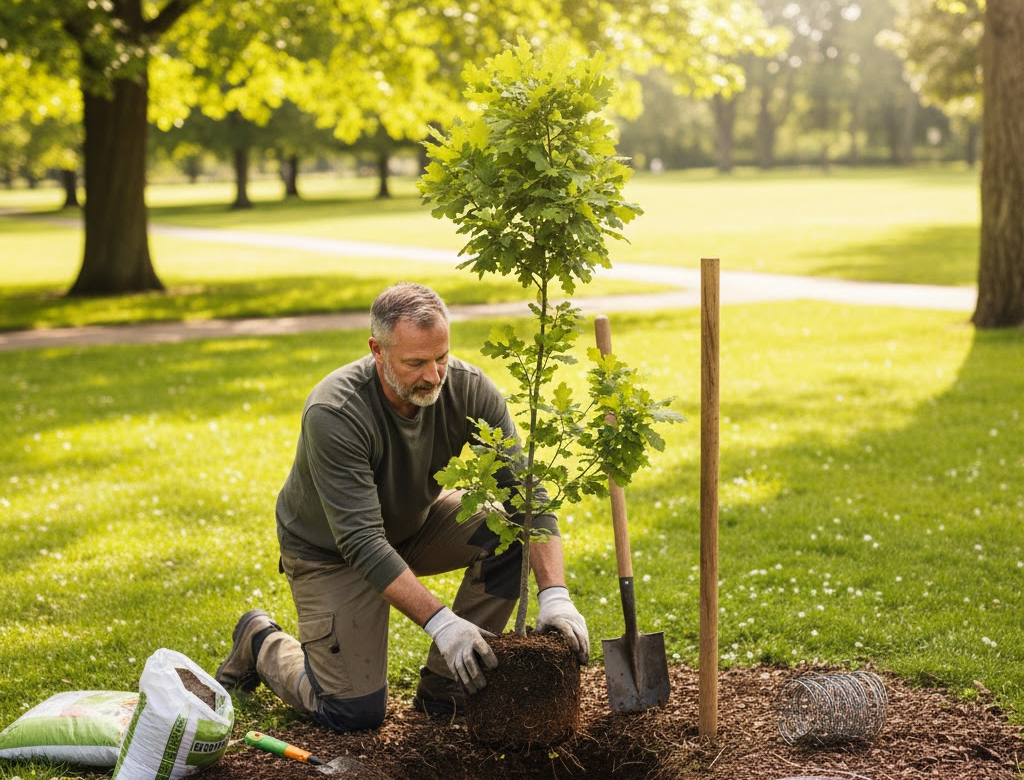
Whether you’re a seasoned gardener or a novice, understanding proper tree planting techniques is essential for ensuring long-term growth and vitality of your trees. In this article, we will explore the crucial steps to take for planting trees correctly, helping you create a lush and sustainable landscape. Join us as we delve into the best practices that will set your trees up for success!
Understanding the Right Time to Plant
The timing of your tree planting endeavors plays a significant role in their success. Ideally, trees should be planted during their dormant season, which typically falls in early spring or fall. This minimizes transplant shock and allows roots to establish before the growing season kicks in. However, climate specifics can influence the optimal timing, so research local conditions for the best results.
Choosing the Right Location
Sunlight and Soil Quality
Before you dig, take a moment to evaluate potential planting sites. Trees thrive in locations that receive adequate sunlight and have nutrient-rich soil. Consider factors such as proximity to buildings, other trees, and underground utilities. A well-thought-out location will promote growth and longevity.
Drainage Matters
Proper drainage is essential for tree health. Planting in waterlogged areas can lead to root rot. To test drainage, dig a hole about 12 inches deep and fill it with water. If the water doesn’t drain within a few hours, consider choosing a different spot. Trees prefer well-drained, loamy soil that retains moisture while allowing excess water to escape.
Preparing the Planting Hole
Once you’ve settled on the perfect spot, it’s time to prepare the planting hole. The size and depth of the hole can significantly affect the tree’s growth. Aim to make a hole that is at least twice the width of the tree’s root ball and equal in depth. This allows the roots to spread easily and access vital nutrients.
Optimal Tree Planting Technique
Root Preparation
Before placing the tree in its new home, carefully inspect the roots. If they appear tangled or girdled (wrapped around themselves), gently loosen them with your fingers. In some cases, you may need to trim any damaged roots to encourage healthy growth.
Placement of the Tree
When placing the tree in the hole, ensure that the top of the root ball sits slightly above ground level. This promotes better drainage and prevents water from pooling around the trunk, a common cause of rot. Position the tree in such a way that it stands straight and upright.
Backfilling the Hole
Once you have placed the tree correctly, backfill the hole with the soil you removed earlier. Mix in some compost to enrich the soil, giving the tree an added nutrient boost. Gently tamp down the soil as you fill to remove any air pockets but avoid packing it too tightly.
Watering and Mulching
The Importance of Water
Proper watering after planting is critical. Give your newly planted tree a deep soak to encourage root development. Watering frequency will depend on your local climate and precipitation levels, but providing consistent moisture, especially during the first year, is essential for success.
Applying Mulch
Mulching around the base of the tree serves multiple purposes. It helps retain moisture, suppresses weeds, and regulates soil temperature. Use organic matter like wood chips or bark, but be sure to keep it a few inches away from the trunk to prevent decay.
Long-Term Care for Healthy Growth
The journey to healthy tree growth doesn’t end with planting. Long-term care is paramount for ensuring that your tree flourishes over the years. Regularly monitor for pests and diseases, and prune as necessary to remove dead or diseased branches. Establish a routine watering schedule during dry spells, particularly in the first few years.
Using Resources for Expert Guidance
For further insights and expert advice on tree planting techniques, consider visiting resources such as MyHome-ID’s guide and another informative article that provide deeper dives into tree care. They offer comprehensive tips that are helpful for both novice and experienced planters.
Proper tree planting techniques are essential for ensuring long-term growth and health of your trees. By following expert advice and best practices, you can create a thriving environment that supports sustainability and enhances your landscape. Don’t hesitate to seek guidance from a certified arborist to maximize your investment in nature.