
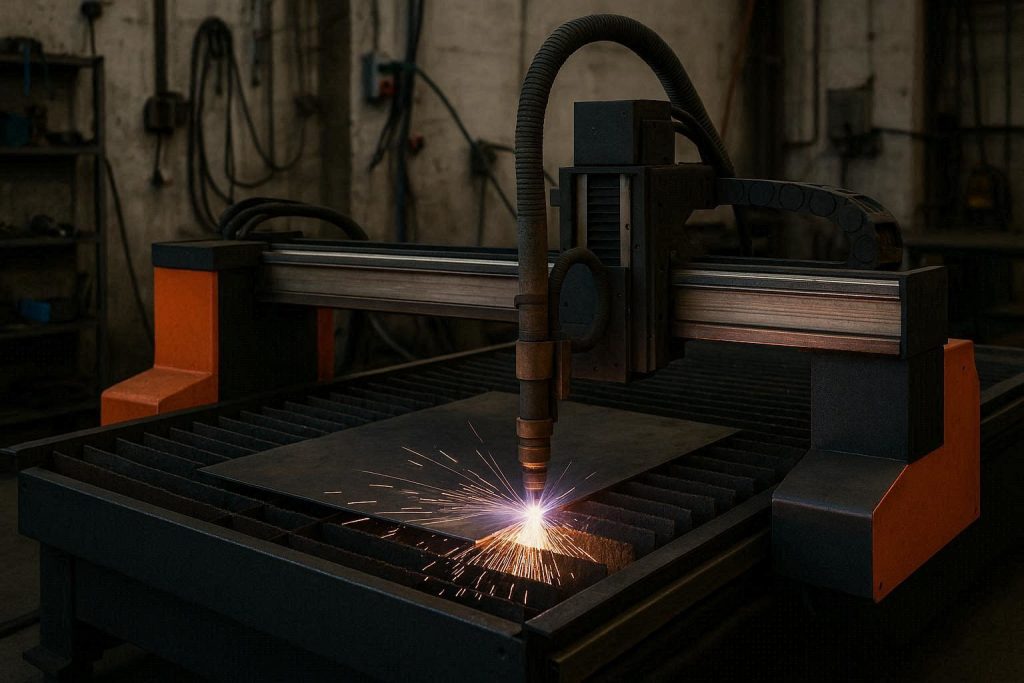
Welcome to the world of CNC plasma cutting, where precision meets creativity! As you embark on your metal fabrication projects, avoiding common mistakes can make all the difference between flawless cuts and costly setbacks. In this article, we will explore the key missteps to watch out for and how to ensure your CNC plasma cutting endeavors are a success.
Understanding CNC Plasma Cutting
CNC plasma cutting is a processing technique that utilizes a plasma torch to cut through metal. The precision of cuts relies heavily on machine settings, maintenance, and understanding the fundamentals of cutting parameters. Grasping the importance of maintaining correct settings can significantly impact your outcomes and efficiency.
1. Incorrect Torch Height
The first misstep in CNC plasma cutting involves setting the torch height incorrectly. A torch that is too high or low can lead to damaging the cutting tool or creating an unclean cut. The solution? Implement an automatic torch height control system, which ensures that the torch maintains an appropriate distance from the workpiece, thus producing accurate cuts and minimizing waste.
2. Poor Material Preparation
Preparation is key in any fabrication process, and CNC plasma cutting is no exception. Neglecting to prepare the workpiece properly can result in inconsistent cuts. Ensure that the material is clean, free from rust, oil, or paint, as any contaminants can severely interfere with the plasma arc. When starting with a clean slate, you pave the way for superior quality cuts.
3. Ignoring Consumable Wear
Consumables such as nozzles and electrodes eventually wear down and need replacement. Many operators overlook the necessity of regular inspection, thereby compromising the quality of their cuts. Make it a habit to routinely assess these components for wear and decay. Doing so will maintain high performance and ensure your CNC machine operates smoothly.
4. Incorrect Cutting Speed
Speed is vital but needs to be accurately calibrated. Cutting too quickly may yield rough edges, while cutting too slowly can create excessive dross and adversely affect your results. Familiarize yourself with the manufacturer’s guidelines regarding various materials and thicknesses. Following the recommended cutting speeds will enhance overall performance and material usage.
Setting Proper Cutting Parameters
Establishing the right cutting parameters not only improves the quality of the cuts but also conserves consumable life. Understanding how to balance air pressure and power supply is critical to achieving a consistent output.
5. Stability of Power Supply
A stable and reliable power supply is essential for effective plasma cutting operations. Fluctuations can lead to inconsistent cuts, which can hinder your productivity. Ensure that your CNC plasma cutter has a power supply that meets the machinery’s requirements. Regularly monitor the power levels to prevent any interruptions during the cutting process.
6. Inconsistent Air Pressure
The air pressure of your system also plays a pivotal role in cut quality. Too much air pressure can spread the plasma arc too thin, while insufficient pressure may lead to weak cuts. Keep an eye on the air supply and maintain it at optimal levels. Regular maintenance checks can help in identifying and fixing any underlying issues with the air pressure system.
Improve Communication & Equipment Operation
Communication errors between the CNC system and operator or among the equipment can severely affect performance. These miscommunications can often stem from inadequate grounding or software issues.
7. Proper Earthing and Setup
A well-grounded machine minimizes electrical disturbances that can throw off communication. When setting up your CNC equipment, ensure proper earthing techniques are employed, particularly if you’re using models like the XT table. This will reduce the risk of communication errors and lead to smoother operations.
8. Choosing Reliable Software
A robust software platform enhances your CNC plasma cutting experience. Ensure that you’re utilizing industry-grade software that can handle the demands of your projects. Regular updates can enhance functionalities and fix bugs that lead to operational issues.
Regular Maintenance for Longevity
To ensure optimal performance, regular maintenance of your CNC plasma cutting table is non-negotiable. It not only extends the life of your machinery but also guarantees high-quality outputs.
9. Scheduled Inspections
Establishing a systematic maintenance schedule helps catch small issues before they escalate into larger problems. Regular inspections of your cutting equipment, consumables, and software calibration create a reliable system that prevents unexpected downtime.
10. Effective Debris Management
Keeping the cutting area clean is integral to performance. Residual debris can obstruct the cutting path, causing inefficiencies and potentially harming the equipment. Maintain a tidy workspace to optimize machine function and ensure user safety.
To ensure the success of your CNC plasma cutting projects, it’s crucial to avoid common mistakes that can compromise cut quality and efficiency. By following best practices and seeking expert advice when necessary, you can enhance your outcomes and drive your projects to completion with confidence.