
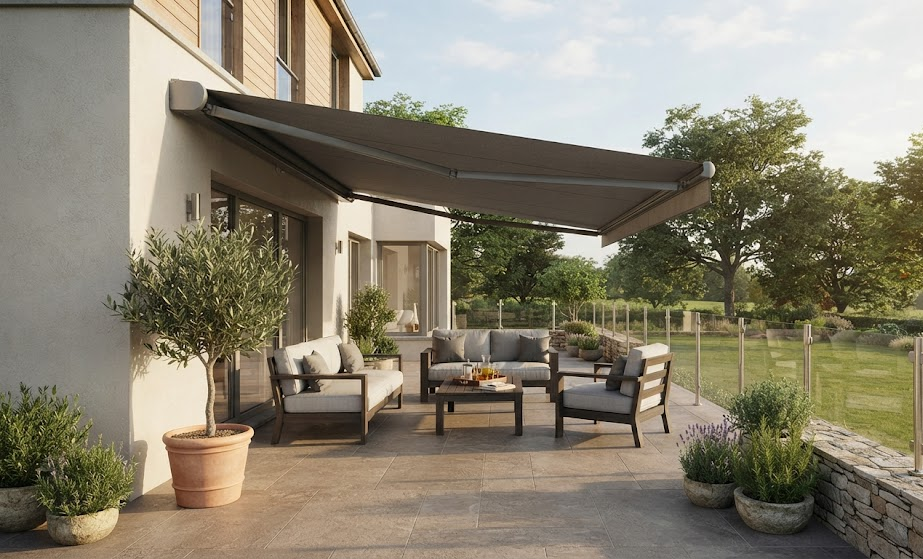
When selecting awning fabrics, many people focus solely on appearance. However, the right fabric choice impacts not only aesthetics but also durability and performance over time. This article delves into the factors that influence the longevity and functionality of awning materials, guiding you towards an informed decision.
Understanding Awning Fabrics: The Foundation of Your Choice
Choosing the right awning fabric is essential for ensuring longevity and effectiveness. Awning fabrics are engineered textiles developed to withstand various environmental challenges. The right fabric acts as a protective barrier against the elements while impacting the overall comfort and functionality of the outdoor space.
Defining Awning Fabrics and Their Importance
Awning fabrics are not just simple textiles; they are highly specialized materials designed with specific characteristics. These fabrics undergo rigorous chemical treatments and weaving processes to achieve ideal performance metrics. Understanding these factors will enhance your selection process.
Recognizing the Consequences of Poor Material Choice
Opting for an inferior fabric can have significant consequences. The wrong material may:
- Trapped Heat: Certain fabrics may create a greenhouse effect, leading to uncomfortable temperatures underneath.
- Susceptibility to UV Damage: Fabrics can fade rapidly, transitioning from bright colors to dull versions in a short timeframe.
- Water Damage: Inadequate materials may sag or fail under the weight of rain, leading to mildew growth and tearing over time.
Diving Into Different Types of Awning Fabrics
Having established the significance of selecting the right fabric, let’s explore the different classes of awning materials available. Understanding these types will empower you to make a more informed choice that aligns with your specific needs.
Solution-Dyed Acrylic: The Gold Standard
Solution-dyed acrylic fabrics stand out as the premier choice for residential and commercial applications. Unlike traditional dyed fabrics, which only color the surface, solution-dyed fabrics integrate color throughout the material. This ensures vibrant hues remain intact even after years of exposure to harsh sunlight.
Coated Polyester: The Affordable Option
For those on a budget, coated polyester offers a strong yet cost-effective alternative. While inherently robust, it requires a chemical coating to protect its core from UV damage. Although this option initially showcases bright colors, it may fade quicker compared to solution-dyed acrylic fabrics.
Vinyl Laminated Polyester: Extreme Weather Resilience
When faced with severe climates, vinyl laminated polyester is your best bet. This material is entirely waterproof and perfect for regions with significant rainfall. Its unique construction involves sandwiching a polyester mesh between two sheets of PVC, creating a strong, non-porous barrier.
High-Density Polyethylene (HDPE): The Shade Provider
HDPE fabrics differ significantly from traditional awning options. Primarily used for tension structures, this knitted fabric contains numerous tiny holes, allowing airflow while providing UV protection. This type of fabric is ideal in hot climates where shade is desired, but rain protection is less critical.
Advanced Membrane Fabrics for Large Structures
For monumental constructions or specific architectural designs, advanced membranes like PTFE or ETFE are appropriate. These materials boast exceptional durability and self-cleaning properties, making them a long-lasting option for large-scale projects.
Evaluating Performance Factors for Awning Fabrics
Once familiar with fabric types, it’s essential to look at various performance factors. These attributes can heavily influence your investment’s longevity and effectiveness.
UV Resistance and Fade Resistance
UV radiation is a significant destroyer of fabrics. Quality awning fabrics should feature stringent UV resistance to withstand direct sunlight. Look for fabrics that have undergone tests ensuring their durability under intense conditions.
Water Resistance vs. Waterproof
Understanding the difference between water-resistant and waterproof fabrics is essential. Water-resistant fabrics resist moisture to some extent, allowing water to bead and roll off. In contrast, totally waterproof materials serve as an impermeable barrier against rain. Your choice should reflect the climate in which you live.
Mildew Resistance for Humid Climates
Fabrics treated for mildew resistance are ideal in humid areas. Mildew thrives on dust and dirt trapped in fabrics, hence investing in those with protective finishes will prolong their lifespan and maintain their appearance.
Breathability and Thermal Comfort
A fabric’s breathability contributes to thermal comfort, allowing hot air to escape and keep the area underneath cooler. While some materials offer waterproof properties, they may not permit adequate airflow, resulting in uncomfortable conditions.
Durability and Tear Resistance
Awning fabrics are under constant tension and face environmental challenges. Selecting high-tensile materials allows for flexing without tearing, ensuring a long-lasting product that can endure harsh wind and debris conditions.
Summarizing Key Takeaways
Understanding the fabric types, their functions, and the environmental conditions will direct you toward the most effective awning fabric choice. Your selection will not only enhance your outdoor space aesthetically but also ensure long-term performance. Always engage with experts to align your needs with material capabilities for lasting satisfaction.