
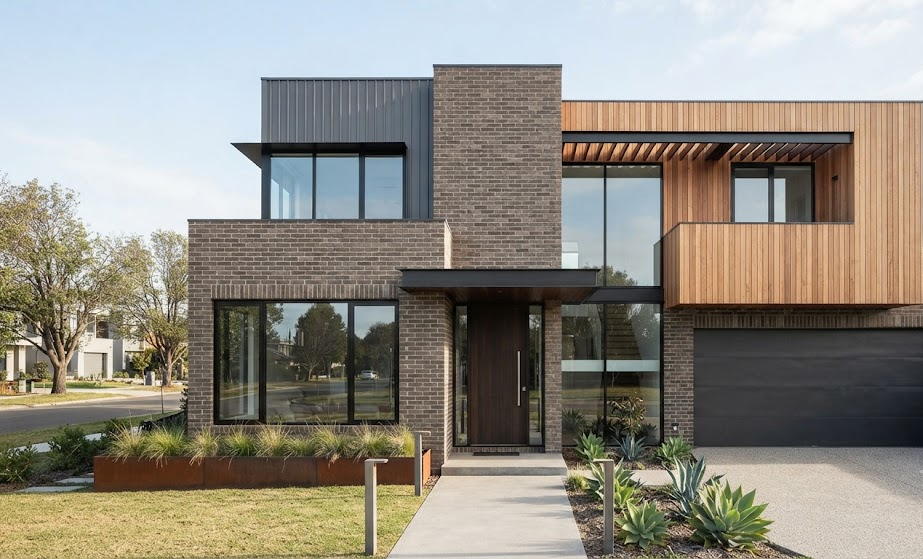
Transforming your home’s exterior is an exciting journey that allows for immense creativity. By combining brick veneer with wood and metal finishes, homeowners can achieve a unique and dynamic aesthetic that sets their property apart. This innovative approach not only enhances curb appeal but also adds depth and texture to any design.
Exploring the Aesthetic Appeal of Brick Veneer
Combining materials like brick veneer, wood, and metal can offer a striking and sophisticated look for residential exteriors. This approach is increasingly popular, blending traditional and contemporary styles seamlessly. Utilizing brick veneer brings a timeless charm that contrasts beautifully with the sleek lines of wood and the modern touch of metal.
Understanding the Benefits of Brick Veneer
The popularity of brick veneer stems from several advantages that it offers:
- Durability: Brick veneer is resistant to weather elements and pests, ensuring a long-lasting exterior.
- Cost-effective: Compared to full brick walls, veneer provides a similar aesthetic at a more accessible price point.
- Variety: Available in numerous colors and textures, it can complement a wide range of styles and finishes.
These qualities make brick veneer an excellent choice for homeowners aiming to enhance their home’s exterior while maintaining a balance between cost and aesthetics.
Pairing Brick Veneer with Wood Finishes
The warm tones and natural textures of wood create an inviting atmosphere when paired with brick veneer. Such combinations can evoke rustic charm or contemporary elegance, depending on the chosen wood type and finish.
Creating a Harmonious Look
To achieve a cohesive design when combining wood and brick veneer, consider the following:
- Complementary Colors: Choose wood stains that enhance the tones of the brick, creating a harmonious aesthetic.
- Texture Balance: Combine rough brick surfaces with smooth wood finishes to create an intriguing contrast.
- Design Proportions: Ensure that the proportion of wood to brick is balanced, preventing one element from overpowering the other.
This combination not only elevates visual appeal but can also reflect personal style, making the home a true expression of its owners.
Integrating Metal Finishes for a Modern Twist
Incorporating metal accents alongside brick veneer and wood introduces a modern contrast. Metals such as steel, aluminum, or copper add sleek lines and can enhance the overall architectural design.
Maximizing the Impact of Metal
The successful integration of metal finishes can be achieved with these strategies:
- Accent Features: Use metal for window frames, stair railings, or architectural details to draw attention to specific areas.
- Color Coordination: Select metal finishes that harmonize with both brick and wood, such as matte black or brushed nickel.
- Texture Variation: Combining the smoothness of metal with the roughness of brick and the warmth of wood creates a striking visual narrative.
This interplay of materials results in an updated look that resonates with modern design principles while maintaining comfort and familiarity.
Designing with Contrast and Balance
Achieving a well-designed exterior involves understanding the balance between contrast and unity among materials. Using brick veneer alongside wood and metal can create a visual dialogue that is engaging and pleasing to the eye.
Applying Design Principles
Consider these principles when planning your exterior enhancement:
- Visual Hierarchy: Establish a focal point, such as a stunning door or a prominent window, to guide the eye.
- Consistent Theme: Ensure that all materials reflect a cohesive theme, whether it be rustic, modern, or eclectic.
- Proportion and Scale: Maintain proper proportions within the design, ensuring that elements don’t appear too large or too small relative to each other.
By applying these principles, the combination of materials works to create a harmonious and visually engaging appearance.
Installation and Maintenance Considerations
A successful combination of brick veneer, wood, and metal finishes also relies on proper installation and regular maintenance. Each material presents unique challenges that should be addressed to guarantee longevity and durability.
Best Practices for Installation
When combining these materials, be mindful of these installation practices:
- Moisture Management: Proper flashing and drainage are essential to prevent water damage.
- Expansion Gaps: Allow space for material expansion, particularly with wood and metal, to prevent warping or buckling.
- Professional Help: For optimal results, consult with experienced contractors to ensure quality installation.
Maintenance is equally vital to preserve the beauty and integrity of the materials. Regularly inspect for wear and tear, particularly in areas exposed to the elements.
Conclusion
This blend of brick veneer with wood and metal finishes allows homeowners to craft unique, stylish, and enduring exteriors. By thoughtfully combining these materials, each home can reach its full aesthetic potential while reflecting the owner’s individual style. Consulting with design professionals may help further define a vision that aligns perfectly with specific preferences and needs.