
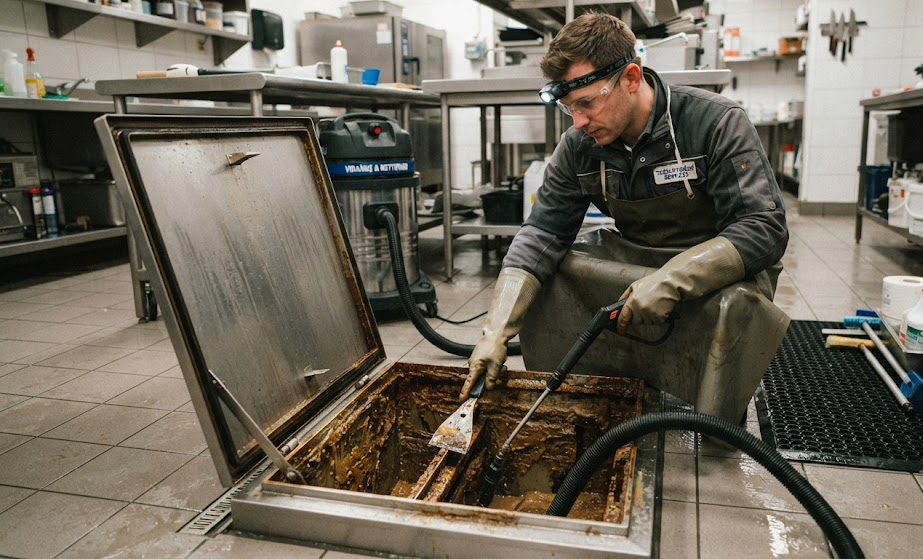
As cities grow and culinary demands increase, effective wastewater management becomes more crucial than ever. Grease traps play a pivotal role in preventing fats, oils, and greases from contaminating sewer systems. Regular maintenance of these devices not only helps in compliance with regulations but also promotes environmental sustainability.
Understanding the Importance of Grease Trap Cleaning
Grease trap cleaning is essential for maintaining the overall health of wastewater management systems. These devices function as barriers, capturing fats and oils before they enter municipal sewer lines. Without regular cleaning, they can lead to significant blockages and damage to sewage infrastructure.
Recognizing the Function of Grease Traps
Grease traps serve a critical function in intercepting food solids and preventing greasy waste from flowing into sewage lines. The separation occurs due to the principles of buoyancy and gravity, which ensure that lighter substances float while heavier solids settle at the bottom. This allows for more efficient wastewater treatment.
Exploring the Benefits of Regular Maintenance
Consistent grease trap cleaning offers numerous advantages for both facilities and the environment. It helps:
- Prevent sewer backups: Regular maintenance minimizes the risk of clogs that cause sewer overflows.
- Enhance system efficiency: A clean grease trap functions better, allowing wastewater treatment systems to work effectively.
- Comply with regulations: Adhering to cleaning schedules aligns with local health and environmental regulations, avoiding potential fines.
Implementing an Effective Grease Trap Maintenance Program
Establishing a comprehensive maintenance plan is integral to successful grease trap management. This program should include periodic inspections, cleaning schedules, and documentation to ensure accountability.
Scheduling Regular Cleanings
The frequency of grease trap cleanings largely depends on various factors, such as facility size and type of operation. Although general guidelines may suggest cleaning every one to three months, some establishments may require more frequent attention due to higher grease output.
Engaging Professional Services
Working with licensed grease trap cleaning services ensures thorough maintenance. These professionals have the expertise to handle the specific requirements of different systems and guarantee compliance with all regulatory mandates. Their proper services help in:
- Thorough cleaning: Professionals ensure that all accumulated grease and solids are removed effectively.
- Inspection and assessment: They can identify issues early on, preventing costly repairs or environmental impacts.
- Documentation: Regular records help in tracking maintenance and complying with regulations.
Evaluating the Environmental Impact
Grease trap cleaning is not only a matter of compliance; it also significantly affects environmental health. Properly maintained traps reduce the chances of grease entering water bodies, which can lead to pollution and damage aquatic ecosystems.
Preventing Water Pollution
When grease enters water systems, it can create harmful algal blooms, depleting oxygen levels and causing dead zones where aquatic life cannot survive. By ensuring that grease traps are cleaned regularly, facilities can mitigate these environmental hazards.
Supporting Community Well-being
Community health is positively influenced by effective wastewater management. Clean grease traps contribute to fewer sewer problems, reducing offensive odors and health risks associated with sewage backups. This enhances the overall quality of life for residents, highlighting the value of diligent maintenance practices.
Conclusion
In summary, grease trap cleaning is vital for effective wastewater management, offering a multitude of benefits that extend beyond mere compliance. Implementing a structured maintenance program can promote environmental sustainability and enhance the efficiency of wastewater treatment systems. Engaging professionals for consistent care ensures that these critical components function optimally, safeguarding both ecosystems and communities. For tailored advice, consulting with experts in grease trap management is recommended.