
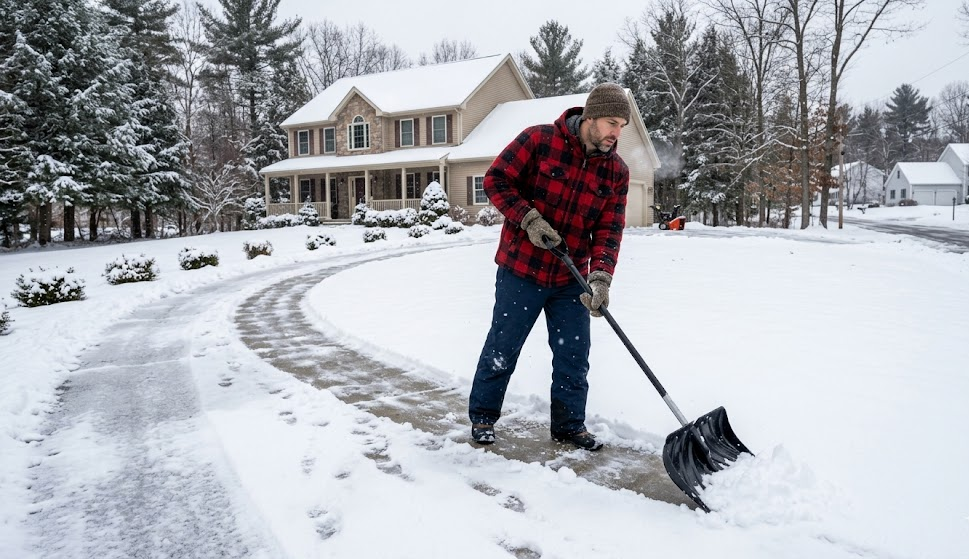
As winter descends and snow blankets the ground, ensuring safe and efficient snow clearing becomes critical. Neglecting proper techniques can lead to significant safety risks, from injuries to property damage. This article explores the common snow clearing mistakes that can arise during the winter months and how to avoid them to maintain safety and efficiency.
Avoiding Late Snow Plowing for Better Safety
One of the most frequent errors in snow clearing is delaying plowing after heavy snowfall. This can result in compacted snow and ice, making subsequent removal more challenging and hazardous. To ensure safety and efficiency, proactive strategies are essential.
Start Plowing Early
Beginning snow clearing before accumulation reaches two to three inches can drastically improve the situation. Here’s how:
- Monitor weather forecasts to anticipate snowfall.
- Plow in intervals to prevent ice buildup.
- Utilize de-icing techniques after plowing to improve traction.
Utilizing Proper Equipment and Practices
Inadequate preparation or the wrong tools can create numerous hurdles during snow removal operations. Employing appropriate equipment and methods is essential for reducing safety risks.
Correct Placement of Snow Plow Stakes
Ignoring the proper installation of snow plow stakes can lead to property damage and accidents. Here are some proactive measures:
- Install stakes every 5 to 10 feet to guide your plow effectively.
- Use reflective stakes for enhanced visibility during low-light conditions.
- Regularly check the stakes to ensure they remain in their designated spots.
Choose the Right Angle for Plowing
Utilizing the wrong angle while plowing can leave behind excess snow or cause it to accumulate in undesirable places. Proper angles can enhance efficiency:
- Angled plowing transfers snow to the side for easy clearance.
- Straight plowing is suitable for pushing snow forward in confined areas.
- Back-dragging is effective near buildings, ensuring access points remain clear.
Managing Snow Disposal to Prevent Hazards
Another vital aspect of effective snow clearing is the strategic management of snow disposal. Poorly placed snow piles can create significant slip hazards and visibility issues.
Designate Appropriate Snow Piling Areas
Strategically placing snow away from high-traffic areas helps to mitigate risks. Consider the following:
- Remove snow from sidewalks and driveways to ensure safe passage.
- Avoid blocking drainage areas to prevent flooding.
- Distribute piles evenly to facilitate quicker melting when temperatures rise.
Preventing Equipment Overload during Snow Clearing
Overloading snow plows can lead to equipment failure, increased wear and tear, and diminished efficiency. It’s crucial to manage how much snow your equipment handles at once effectively.
Make Multiple Passes When Necessary
Instead of pushing large amounts of snow at once, follow these guidelines:
- Divide larger piles into smaller sections for easier handling.
- Maintain moderate speeds to avoid excessive resistance.
- Regularly perform maintenance checks on your plows to ensure optimal performance.
Dealing with Ice for Enhanced Safety
While snow removal is vital, many forget the importance of managing ice to prevent safety risks. Proper ice removal techniques are essential for maintaining safety.
Utilize Ice Melt After Plowing
Even after snow has been removed, ice can remain on surfaces, leading to dangerous slip hazards. For improved traction:
- Apply de-icing materials like calcium chloride immediately post-plowing.
- Reapply ice melt as needed, especially after subsequent snowfalls.
- Consider using sand for traction in particularly icy areas.
Planning for Snow Disposal and Storage
Unplanned snow storage can create long-term hazards and operational inefficiencies. Adequate pre-planning ensures that snow disposal doesn’t lead to complications during the season.
Implement a Snow Removal Strategy
Identifying specific areas for snow storage before the winter season begins can be beneficial:
- Keep storage piles clear from entrances, hydrants, and drainage systems.
- Spread out snow deposits to accelerate melting later in the season.
Ensuring Worker Safety during Snow Removal
Snow clearing isn’t just about property management; it also involves protecting the workforce from various hazards. Understanding these risks is fundamental for businesses and employees alike.
Recognize Winter Weather Hazards
In addition to the operational challenges, winter weather presents unique threats. Being aware of them can lead to safer practices:
- Ensure proper training for driving in winter conditions.
- Establish clear safety protocols to reduce slip hazards.
- Encourage workers to wear appropriate winter gear that allows for mobility while ensuring warmth.
Maintaining Vigilance Against Slip Hazards
Preventing slips and falls should be a top priority in snow clearing operations. Understanding how to avoid slip hazards will contribute to safer environments for everyone.
Implement De-Hazardization Techniques
Quick action after storms can drastically reduce risks of injury:
- Clear walkways promptly after snow has fallen.
- Spread deicers as soon as possible to prevent icing.
- Train workers to recognize and maintain safe walking practices on slippery surfaces.
By adhering to these best practices in snow clearing operations, both safety and efficiency can be significantly enhanced. Being mindful of common mistakes ensures a smoother process and reduces risks throughout the winter months, ultimately contributing to a safer environment for everyone concerned.