
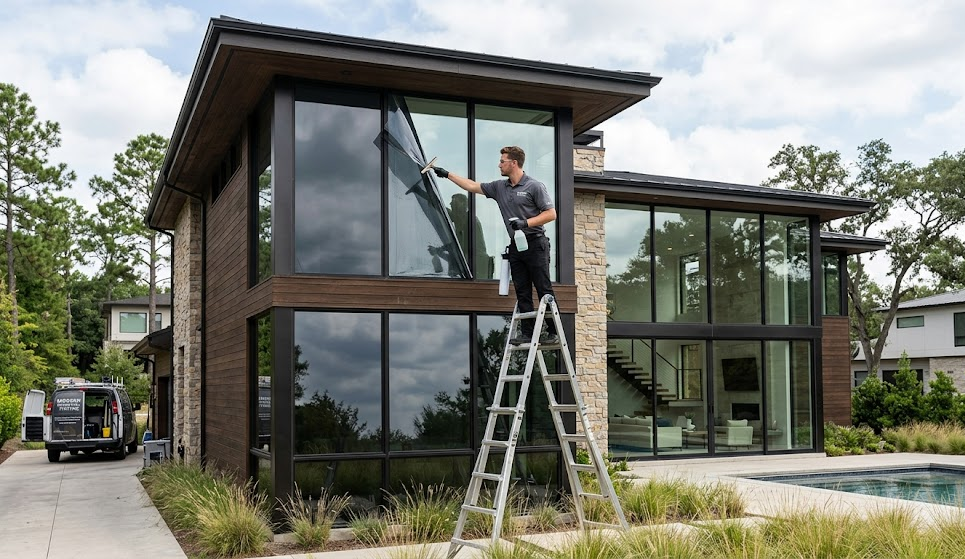
Residential window tinting has become a popular upgrade for homeowners who want to improve comfort, protect belongings, and reduce long-term wear inside the home. While tinted windows can enhance privacy and style, their most valuable benefits come from what they do behind the scenes: blocking harmful rays, moderating heat, and helping preserve interior finishes. From furniture to flooring, the sun is a powerful force—and window tint is one of the simplest ways to manage its impact.
Protects against UV radiation
One of the biggest advantages of residential window tinting is its ability to block ultraviolet (UV) rays. UV exposure is a major cause of fading for fabrics, artwork, carpets, and painted surfaces. Even when you don’t notice direct sunlight damage, ultraviolet radiation gradually weakens pigments over time.
By filtering out a large portion of UV rays, tinted windows help slow down the fading process. This means your curtains keep their color longer, your upholstery looks newer, and your flooring maintains its original tone. If you have a room that receives strong sun—such as a living room with a large picture window or a dining area with afternoon light—tinting can make a noticeable difference in the longevity of your interior materials.
Reduces heat buildup and improves comfort
Another key protective effect of window tinting is heat management. Without tint, sunlight enters through windows and turns into heat inside the home. This can make certain rooms much warmer than the rest, especially during summer afternoons.
Residential window films are designed to reduce solar heat gain while still allowing natural light. The result is a more comfortable indoor environment—fewer temperature spikes, less glare, and a living space that feels easier to cool. That comfort isn’t just pleasant; it also supports better everyday living, making it simpler to work, relax, or let kids play in sunlit areas.
Helps lower glare and supports better daily life
Too much brightness doesn’t just affect comfort—it can also reduce visibility and make daily activities harder. Glare from windows can interfere with watching television, working at a desk, or using screens. Over time, the glare can also push homeowners to rely heavily on curtains or blinds, which blocks sunlight entirely.
Window tinting can help cut glare while maintaining a level of daylight. This balance allows homeowners to enjoy natural light without the constant strain of squinting or repositioning furniture and screens. Many people find that tinting improves both the appearance and usability of rooms, especially those with large windows.
Protects furniture and flooring from sun damage
Fading is not the only interior problem caused by solar exposure. Some materials can degrade faster when exposed to intense sunlight. Wood floors may dry out, vinyl and laminate surfaces can discolor, and fabrics can become brittle over time.
By limiting UV radiation and reducing excessive heat, window tinting helps protect these materials from accelerated aging. Think of it as a shield that preserves the look and feel of your home interiors. The benefit becomes more obvious over months and years, especially in spaces where sunlight is constant.
Supports energy efficiency (and reduces wear on HVAC)
When rooms overheat, homeowners often respond by increasing air conditioning. That can raise energy bills and lead to extra strain on heating, ventilation, and air conditioning (HVAC) systems. While tinting doesn’t replace HVAC, it can reduce the load by moderating how much heat enters through windows.
As your home stays cooler for longer, your HVAC system may cycle less frequently. This can contribute to improved energy efficiency and potentially reduce wear and tear over time. In addition, more consistent indoor temperatures can make your home feel more stable and comfortable across seasons.
Enhances privacy and interior security
Residential window tinting also provides privacy. Depending on the tint level and film type, tinted windows can make it harder for people outside to see into your home during daylight hours. This is especially helpful for street-facing rooms, first-floor bedrooms, or spaces near balconies and patios.
Privacy is valuable, but so is the added sense of security. Many window films are designed to hold glass together better in the event of impact. While they are not the same as a full security upgrade, films can provide an extra layer of protection by reducing glass scatter and helping delay breakage.
Maintains a clean, polished interior aesthetic
Home interiors look best when everything stays fresh—colors remain vibrant, fabrics don’t fade, and surfaces don’t discolor prematurely. Window tinting can help maintain the aesthetic quality of your décor by reducing the effects of sunlight. You’re not just protecting what’s behind the glass; you’re preserving the overall “newness” of the home.
Beyond protection, tinted windows can also create a more unified look to the outside of the home. Many homeowners choose films that reduce brightness but still allow natural light in, achieving a modern appearance without darkening rooms completely.
Choosing the right window tint for residential needs
Not all window films are the same. When selecting residential window tinting, it’s important to consider:
- UV blocking performance: prioritize films known for high UV protection.
- Solar heat gain reduction: look for a film that fits your climate and sun exposure level.
- Visible light transmission: choose a tint that balances glare reduction with natural brightness.
- Installation quality: professional installation helps ensure the film adheres properly and performs as expected.
Conclusion: protection you can see and feel
Residential window tinting protects your home interiors in multiple ways—blocking UV rays that fade and damage materials, reducing heat buildup for everyday comfort, minimizing glare, and supporting energy efficiency. Over time, these benefits help preserve furniture, flooring, fabrics, and finishes while keeping rooms more enjoyable to live in. In short, window tinting is not only a cosmetic improvement—it’s a practical, long-term defense for the interior spaces you care about most.