
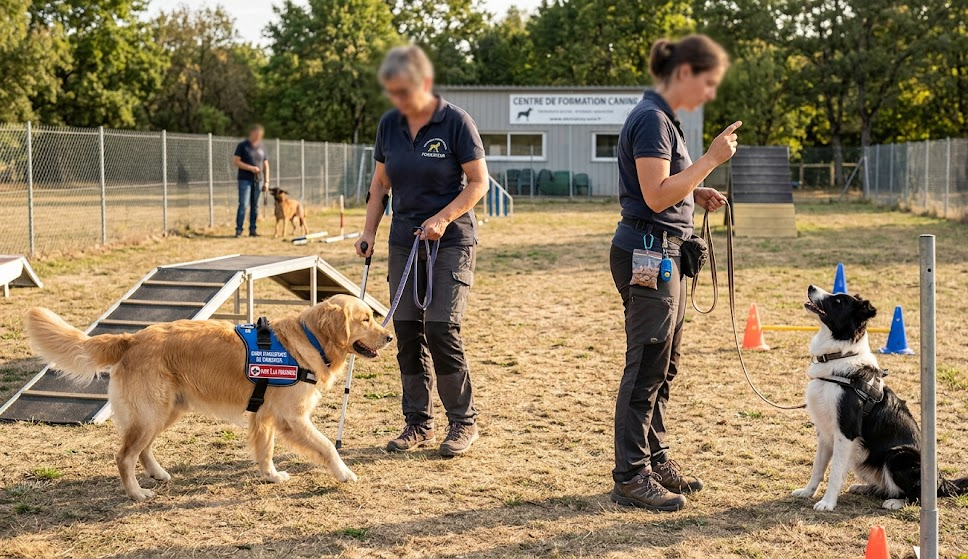
When considering the journey of training a dog, it’s essential to understand the distinctions between service dog training and basic obedience training. While both contribute to developing a well-behaved canine companion, their purposes, methods, and outcomes differ significantly.
Understanding Basic Obedience Training
Basic obedience training serves as the foundation for any dog’s education. This type of training is designed to teach essential commands that help ensure safety and good behavior in domestic settings and public spaces. Common commands include:
- Sit
- Stay
- Come
- Heel
- Down
Through these commands, dogs learn to follow directions and respond appropriately to their owners. Training typically involves simple rewards such as treats or praise, making it fun for both dog and handler.
The Goals of Basic Obedience
The primary goal of basic obedience training is to foster a strong bond between the dog and its owner based on trust and respect. By mastering these commands, dogs can integrate into family life more seamlessly, ensuring they can enjoy outings without causing distress or unwanted behavior.
Service Dog Training: A Specialized Approach
On the other hand, service dog training goes a step further. It’s specifically designed for dogs that will assist individuals with disabilities. This training is tailored to meet the unique needs of the handler, helping the dog perform specific tasks that enhance their owner’s quality of life. These tasks can range from guiding visually impaired individuals to providing emotional support.
The Complexity of Service Dog Tasks
Unlike basic obedience training, the tasks a service dog learns may include:
- Guidance for individuals with visual impairments
- Alerting to medical conditions, such as seizures or low blood sugar
- Providing physical assistance, like pulling a wheelchair
- Therapeutic tasks for those with mental health challenges
Each skill requires extensive training to ensure the dog performs reliably in various environments, often under significant distractions.
Contrasting Training Methods
The methods employed in basic obedience training significantly differ from those in service dog training. In basic obedience, the focus lies on achieving well-behaved outcomes through simple and straightforward commands. Conversely, service dog training involves rigorous conditioning to ensure that dogs can carry out their specialized tasks proficiently.
Positive Reinforcement vs. Task-Specific Training
For basic obedience, positive reinforcement—such as treats and praise—is a common method. Service dog training also uses positive reinforcement but incorporates more complex technique adaptations, such as:
- Counter-conditioning – changing the dog’s response to specific stimuli
- Clicker training – utilizing a click sound to mark behaviors the trainer wants to reinforce
- Task chaining – breaking down complicated tasks into smaller, manageable steps
Duration and Commitment in Training
Another notable difference lies in the duration and commitment of training. Basic obedience classes may range from a few weeks to a couple of months, while service dog training can last up to two years, depending on the dog’s abilities and the tasks being taught. This lengthy commitment ensures that the service dog can respond to their handler’s needs accurately and consistently.
Ongoing Training and Maintenance
While basic obedience may require refresher sessions, the ongoing training for service dogs is crucial as the handler’s needs may evolve. Regular practice sessions are vital to reinforce learned behaviors and adapt to new situations, ensuring that the dog remains focused and effective in their tasks.
Certification and Legal Considerations
Service dogs undergo a rigorous training and evaluation process to ensure they are suitable for their role. This often involves passing specific tests that validate their skills in public environments, adhering to local regulations. In contrast, basic obedience training does not necessitate formal certification.
Understanding the Legal Framework
Legally, only dogs trained for specific assistance tasks qualify as service dogs, while any well-behaved pet may participate in basic obedience training classes. This distinction underscores the significant commitment involved in service dog training beyond the basic commands.
The Emotional and Social Interface
The relationship fostered through basic obedience training cultivates a positive social interaction between owners and their dogs. With service dog training, the bond is deepened as they work together to achieve specific objectives. This partnership is vital for both the handler’s independence and the trainer’s success.
From Basic Skills to Life-Saving Tasks
Ultimately, while both training paths are essential to a dog’s education, they serve markedly different purposes. Basic obedience lays the groundwork for well-behaved pets, while service dog training equips dogs with advanced skills to assist individuals with unique challenges.
Understanding the difference between service dog training and basic obedience is crucial for those looking to create a successful partnership with their canine companions. For optimal results and to ensure your service dog meets all requirements, consider enlisting the help of an expert in service dog training.