
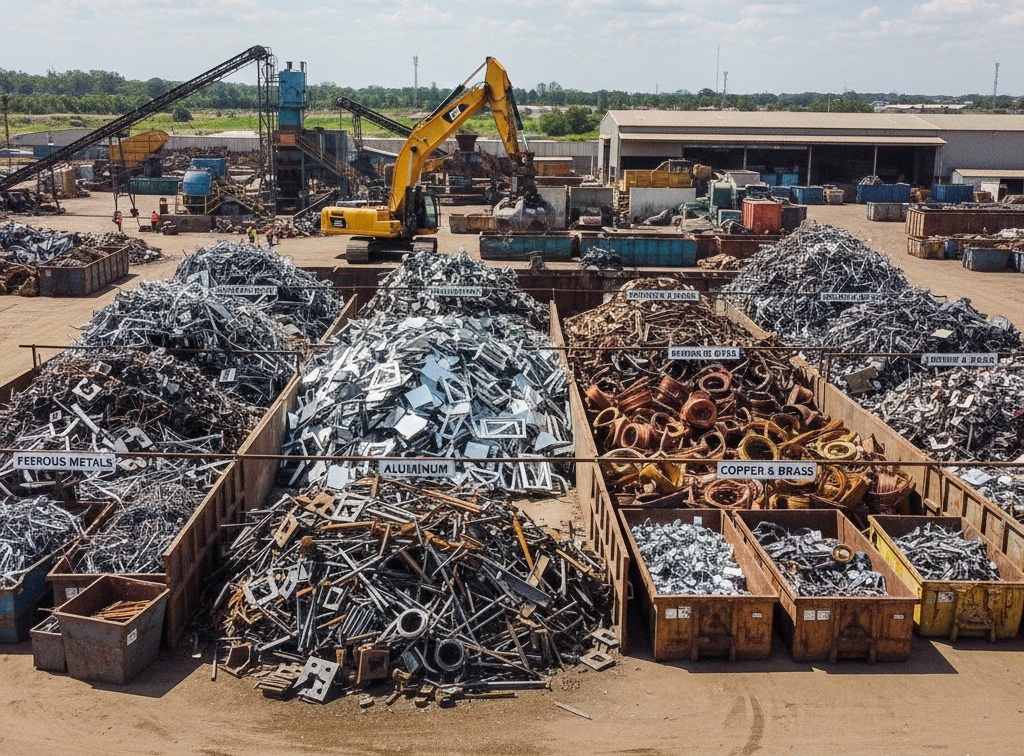
As the construction industry evolves, the importance of sustainability becomes more critical than ever. Recycling metals from construction sites not only conserves valuable resources but also contributes to a greener environment. In this article, we’ll explore the various types of metals that are commonly recycled during construction, highlighting their benefits and potential applications.
The Importance of Metal Recycling in Construction
Metal recycling is essential for multiple reasons.
- Resource Efficiency: Recycling metals significantly conserves natural resources, thereby reducing the demand for mining new materials.
- Cost-Effectiveness: Utilizing recycled metals often results in lower costs for construction materials, helping to keep project budgets manageable.
- Environmental Benefits: By recycling metals, construction projects can substantially decrease greenhouse gas emissions and energy consumption associated with metal production.
- Regulatory Compliance: Many regions now necessitate the inclusion of recycled materials in construction practices to adhere to sustainability standards.
Commonly Recycled Metals in Construction Projects
When it comes to metals in construction, various types are often salvaged and recycled, each offering different properties and benefits. Below, we explore the most frequently recycled metals and their applications.
Steel: The Most Recycled Metal
Steel is arguably the backbone of the construction industry and the most recycled metal globally. It is found in beams, rebar, and other structural components. The recycling of steel is incredibly efficient, as it retains its quality even after multiple recycling loops.
Steel recycling helps in significantly reducing energy consumption, as producing new steel from scrap requires up to 60% less energy compared to virgin iron ore. Its resilience and versatility make it a preferred choice in various building applications.
Aluminum: Lightweight and Efficient
Aluminum is another metal widely used in construction, especially in window frames, roofing, and siding. Recycling aluminum is particularly beneficial because it saves around 95% of the energy consumed in producing new aluminum from raw bauxite.
This lightweight metal not only contributes to the overall efficiency of the building but also enhances design flexibility. Mixed correctly, recycled aluminum retains its inherent strength, making it a sustainable and effective construction material.
Copper: Valuable and Conductive
Copper is commonly found in wiring, plumbing, and HVAC systems within construction projects. Its excellent conductivity and resistance to corrosion make it highly sought after in the industry. The value of recycled copper is notably high, directly affecting the economic viability of recycling efforts.
Additionally, the recycling of copper significantly cuts down on energy use, as recycling is less resource-intensive compared to mining and refining processes.
Brass and Bronze: Decorative and Durable
Brass and bronze are also metals often encountered on construction sites. These alloys are used for fixtures, fittings, and decorative elements, providing aesthetic appeal alongside functionality. Their ease of recycling ensures that valuable resources are not wasted, creating a sustainable approach to design.
Like copper, both brass and bronze are non-ferrous metals that retain their properties through recycling, making them invaluable in construction projects.
Iron: A Strong Foundation
Iron, specifically ferrous iron, is frequently recycled from construction debris. This metal is typically sourced from old machinery, beams, and other heavy-duty construction materials. While not as valuable per pound as non-ferrous metals, like aluminum and copper, iron recycling still contributes to significant weight reduction in landfills.
Iron’s durability and strength make it a staple in many construction projects, while recycled iron helps to mitigate the adverse effects of virgin ore extraction.
Implementing Metal Recycling on Construction Sites
To effectively recycle metals on construction sites, it’s essential to establish a structured approach:
- Site Assessment: Evaluate the types and amounts of recyclable metals present at the site.
- Sorting and Storage: Set up designated bins for different metal types, clearly labeled to prevent cross-contamination.
- Processing: Utilize equipment such as shredders to reduce scrap sizes, facilitating easier transport.
- Transporting: Partner with reputable recycling facilities to ensure responsible handling of materials.
- Documentation: Keep detailed records of recycled quantities for compliance and sustainability reporting.
In summary, the diverse range of metals commonly recycled from construction sites plays a vital role in promoting sustainability and resource conservation. By prioritizing the recycling of metals such as steel, aluminum, and copper, construction professionals can not only optimize their projects but also contribute to a healthier environment. If you’re looking to enhance your project’s eco-friendliness, consider consulting with a recycling expert to develop effective waste management strategies.